There are Metallica songs that invite the crowd in.
And then there’s Sad But True — a track that stands its ground and dares you to step closer.
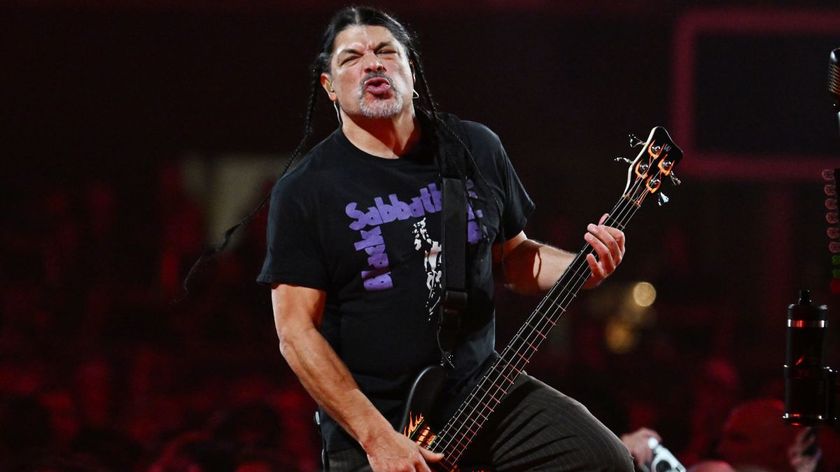
In Moscow, Russia, that dare turned into a spectacle of pure, unapologetic heaviness.
As the opening down-tuned riff hit, the atmosphere shifted instantly. The tempo wasn’t fast. It didn’t need to be. The power of Sad But True has always lived in its weight — each note landing like a verdict. Thousands of fans moved as one, heads nodding in slow, deliberate unison, as if pulled by gravity rather than rhythm.
At the center stood Metallica, a band that understands exactly when to push and when to let the song do the damage. James Hetfield delivered the vocals with a snarl that felt less like performance and more like confrontation. No embellishment. No theatrics. Just command.
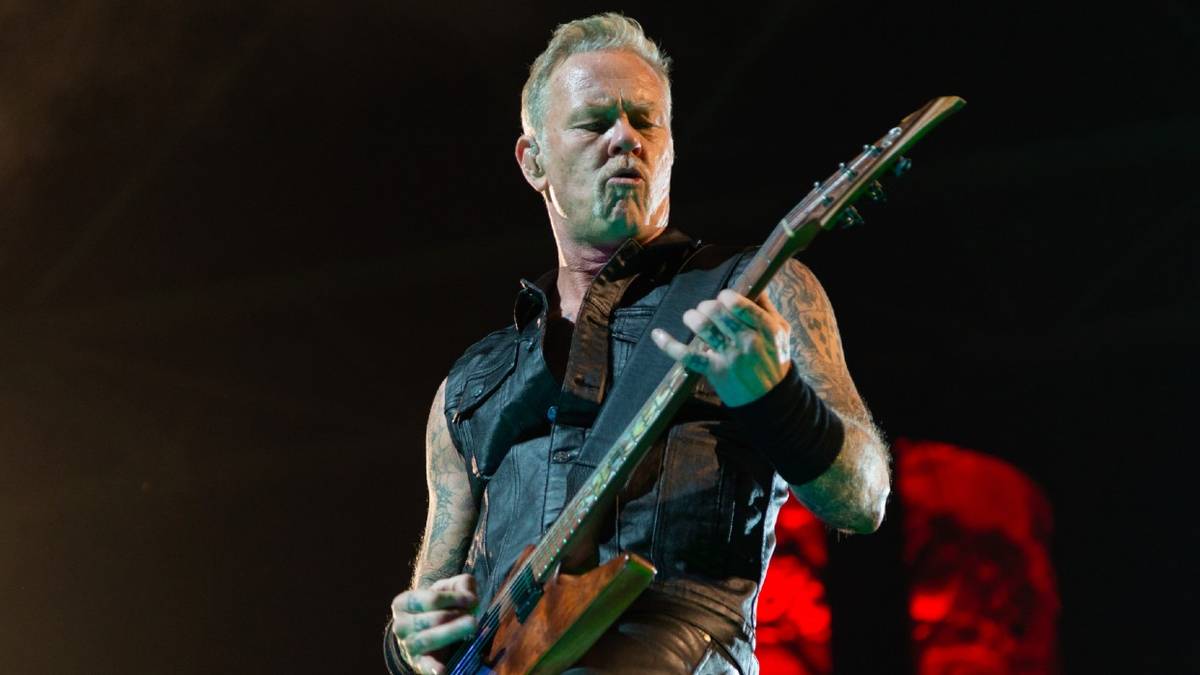
Live in Moscow, the song felt even more imposing. The sheer scale of the crowd amplified the menace — a sea of bodies reacting instinctively to every stop-start groove, every guttural shout of “I’m your life, I’m the one who takes you there.” It wasn’t just sung back. It was claimed.
The band played with military precision. The drums hit like blunt force, the guitars locked into that infamous crawl, and the bass rumbled underneath like a warning you feel in your chest before you hear it. Nothing rushed. Nothing softened. This was Metallica at their most confident — letting space and silence make the song heavier.

What made the Moscow performance unforgettable wasn’t volume alone. It was discipline. Metallica resisted the urge to hype the moment. They trusted the riff. They trusted the crowd. And Moscow answered with raw intensity — fists in the air, chants echoing back, a shared understanding that this wasn’t just a hit song. It was a statement.
Sad But True has always been about control, addiction, and the darker forces people wrestle with. Played here, in front of a massive Russian audience, it felt universal. No language barrier. No cultural filter. Just heaviness translating perfectly across borders.
When the final note rang out, there was no dramatic pause — just an explosion of cheers, as if the crowd had been holding its breath the entire time.
In Moscow, Sad But True wasn’t nostalgia.
It wasn’t a throwback.
It was proof that some riffs never lose their power — they collect it.
And that night, Metallica didn’t just play the song.
They ruled it.