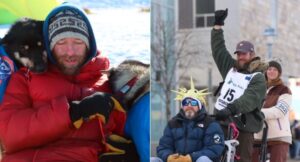
Defending champion Jessie Holmes is once again at the center of attention in the legendary Iditarod Trail Sled Dog Race, with the Alabama native climbing to the top of the leaderboard as the grueling race across Alaska continues.

The 2026 race, which covers nearly 1,000 miles from Anchorage to Nome, began over the weekend and typically lasts between one and two weeks. But with the current pace of the leading teams, some predictions now suggest the race could finish sooner than expected, possibly around March 17.

Holmes, originally from Sylacauga, Alabama, is trying to defend the title he captured last year after completing the longest race in Iditarod history. In 2025, heavy snow forced changes to the route, stretching the race to 1,128 miles. Holmes ultimately crossed the finish line in 10 days, 14 hours, 55 minutes and 41 seconds, securing the biggest victory of his career.

Despite the fame that often follows such a triumph, Holmes surprised many by returning to the quiet life he built in the Alaskan wilderness. The former cast member of the Life Below Zero lives a rugged and solitary lifestyle near Denali National Park, where his nearest neighbors are about 30 miles away.
“There’s a lot of things that can happen in your life once you win the Iditarod,” Holmes said before this year’s race. “You could become a real big deal, or you could just go back out in the bush and get right back to work, you know? And that’s what I did.”

For Holmes, life away from the spotlight revolves around the dogs that power his sled team. At his remote homestead in Brushkana, caring for his animals remains his top priority.
“When you’re dealing with live animals, your life revolves around taking care of them,” Holmes once explained. “It’s a lot like being a farmer — you’re married to your land, you’re married to your animals.”

His dedication to the sport has been years in the making. Holmes first entered the Iditarod in 2018, finishing seventh and earning rookie of the year honors. Since then, he has consistently placed among the top competitors, building a reputation as one of the race’s rising stars.
Outside of racing, Holmes became widely known through his eight-season run on the National Geographic series Life Below Zero, which documented his extreme subsistence lifestyle in remote Alaska. The income from the show helped him invest more into his dogs and equipment, allowing him to pursue the dream that eventually led to his championship.
Now he is chasing history.
The self-imposed stress of repeating as champion is burning at him. He calls this year’s race the most important of his career. Many mushers have won multiple Iditarod titles, but only two — Susan Butcher and Lance Mackey — won their second title the year after getting their first.
“That’s hard to put that on yourself because you got to live with that pressure every day,” Holmes said. “And if I do not make it, it is going to absolutely crush me.”
Still, if Holmes manages to win again, his plan afterward may surprise many fans. Rather than chasing celebrity status or big sponsorship deals, the champion has made it clear that he intends to return to the same quiet wilderness life — back to the bush, back to his dogs, and back to the rugged routine that first shaped his unlikely journey from Alabama to the top of the sport.