Stephen King has spent decades frightening readers with stories about haunted houses, monsters, and the darkest corners of the human mind. So when the master of horror admits that a television series scared him, his recommendation carries particular weight.
One series that earned that distinction is Prime Video’s Them, Little Marvin’s two-season horror anthology. King singled out the show as one of the few series capable of scaring the hell out of him, praising its first episode before its 2021 debut. Across two standalone seasons, Them combines supernatural horror with stories about systemic racism, generational trauma, discrimination, and abuse of power.
The result is a deeply unsettling experience that reaches far beyond conventional scares.
Them Turns Real-World Cruelty Into Horror
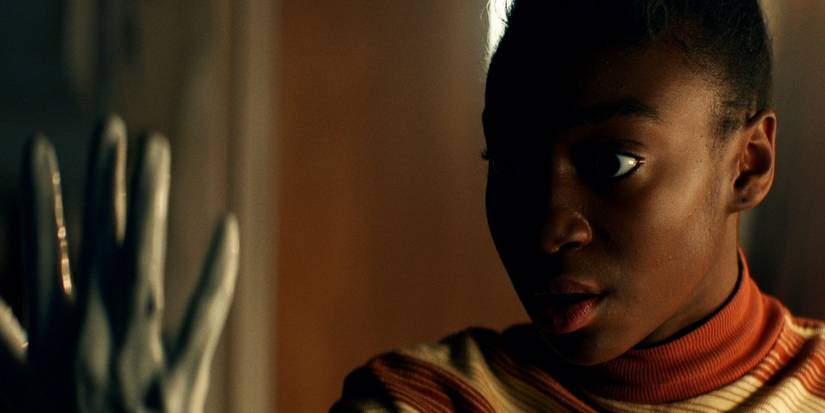
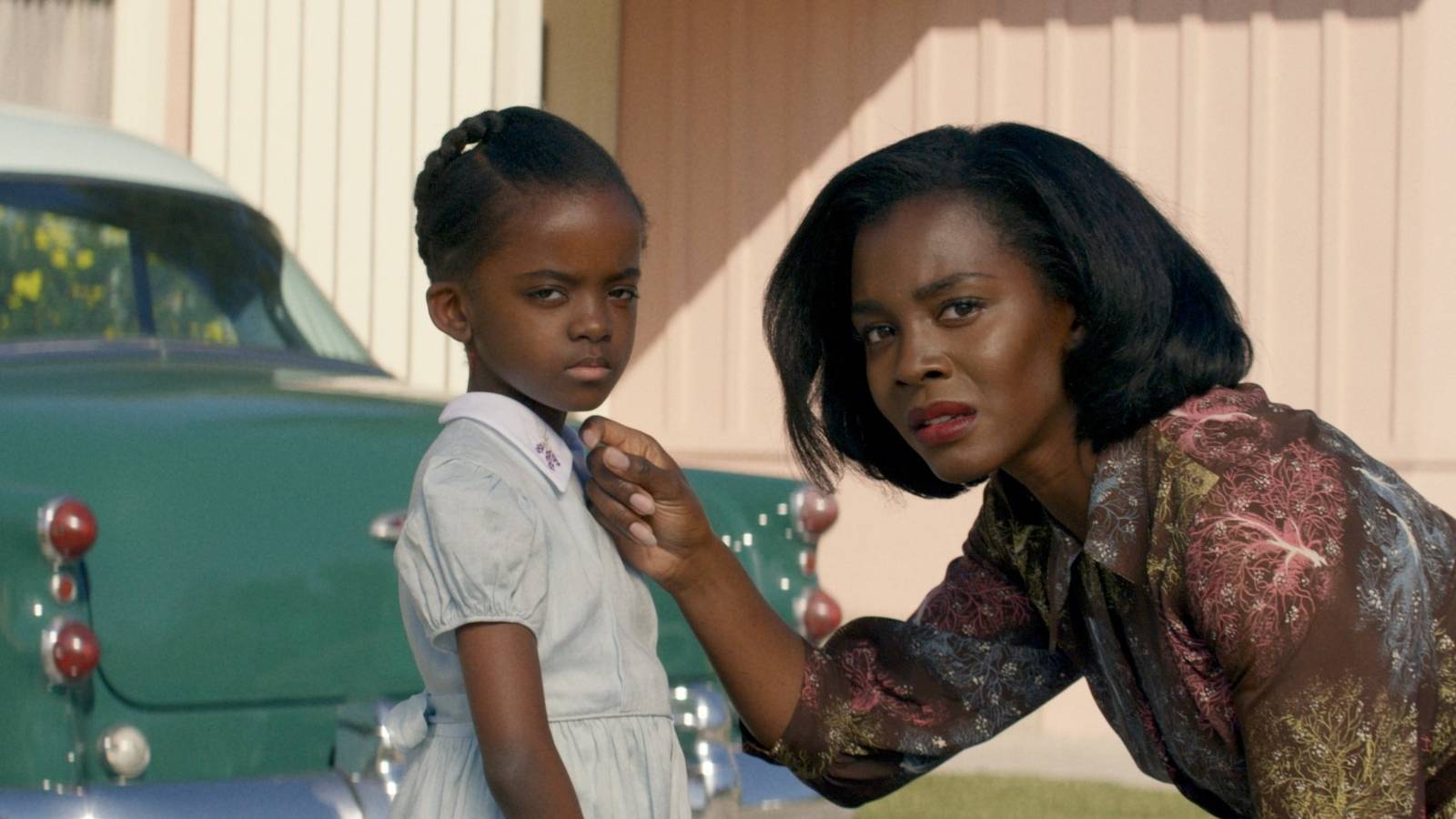
The anthology begins with Them: Covenant, a 10-episode story set in 1950s Los Angeles. The Emory family, consisting of Lucky (Deborah Ayorinde), Henry (Ashley Thomas), Ruby (Shahadi Wright Joseph), and Grace (Melody Hurd), move into a predominantly white neighborhood hoping to build a peaceful new life.
Instead, they become targets.
The family faces hostility from their neighbors while also confronting supernatural forces that threaten their lives. On the surface, the setup recalls classic haunted-house movies such as Poltergeist and The Amityville Horror. But Them uses its supernatural elements to explore a much more recognizable form of terror: systemic racism and the psychological damage caused by discrimination.
The title itself reflects the conflict. To the people around them, the Emorys are outsiders, and that attitude manifests in everything from everyday hostility to acts of extreme cruelty.
The supernatural horrors reinforce that idea. The entities tormenting the family function as reflections of the real-world monsters surrounding them, blurring the boundary between external threats and psychological trauma. As the Emorys become increasingly trapped by their circumstances, viewers are pulled into the same exhausting atmosphere of fear and helplessness.
Released in 2021, when horror stories confronting racism had become increasingly prominent following films such as Jordan Peele’s Get Out, Them took a different approach. Rather than relying primarily on conventional scares, it combined the consequences of discrimination and trauma with disturbing supernatural imagery, creating an experience that is as emotionally draining as it is frightening.
Season 2 Takes the Story in a New Direction
Them: The Scare tells a completely separate story while continuing the anthology’s focus on oppression and trauma.
Deborah Ayorinde returns in a different role as Dawn, an LAPD detective investigating a supernatural serial killer. At the same time, she tries to protect her community from unfair and discriminatory policing.
Her story is connected to Edmund (Luke James), an aspiring actor whose dedication to method acting becomes increasingly extreme. Without revealing the season’s major twists, The Scare examines abusive authority and overt prejudice while exploring white supremacy within professional institutions.
The second season shifts away from the suburban horror of Covenant and leans more heavily into detective-thriller territory. Its ’90s setting gives those themes a more modern context, but the atmosphere remains relentlessly alienating and dehumanizing.
Together, the two seasons establish Them as a blend of gothic, psychological, and folkloric horror, with gore and jump scares used to heighten its slow-burning tension.
It is far from easy viewing. The series deliberately replaces simple scares with an increasingly oppressive descent into psychological turmoil, leaving audiences frightened while also forcing them to confront the subjects at the heart of its stories.
That approach helps explain why the series made such an impression on King.
Stephen King Explained Why Them Frightened Him
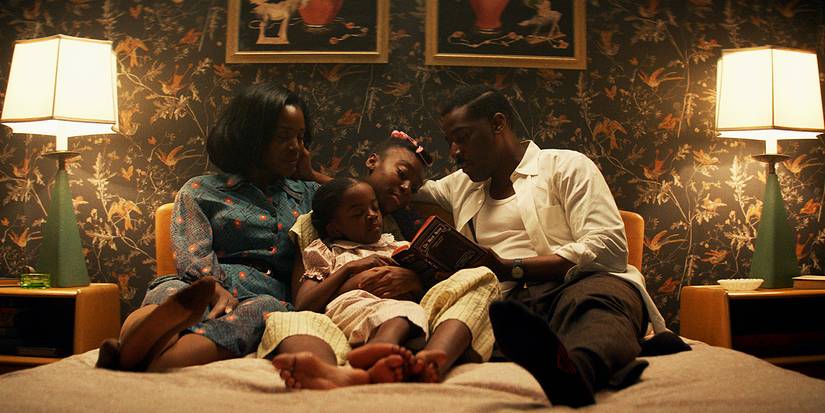
Before Them: Covenant premiered in 2021, King shared his reaction to the first episode on social media.
“Amazon Prime Video: THEM, starting tomorrow. The first episode scared the hell out of me, and I’m hard to scare.”
He then added a characteristically dark observation about the show’s unsettling imagery, pointing to “extremely creepy white ladies in 50s dresses.”
King’s comment was particularly notable given his extensive experience with horror. He has published more than 70 novels, many of them within the genre, and his work has featured everything from a child-eating entity to a rabid Saint Bernard.
His reaction to Them therefore speaks to the series’ ability to create fear without depending on familiar horror formulas.
The show’s power comes largely from its atmosphere. It is not driven solely by gore, nor does it depend entirely on psychological horror in the traditional sense of insanity or paranoia. Instead, Them takes an apparently idyllic suburban environment and gradually transforms it into a nightmare of racism, intimidation, and abuse.
Marvin strengthens that contrast through the series’ visual style. Bright, pastel surroundings and carefully maintained appearances sit alongside the characters’ deeply disturbing intentions. The neighbors’ outward politeness becomes part of the horror.
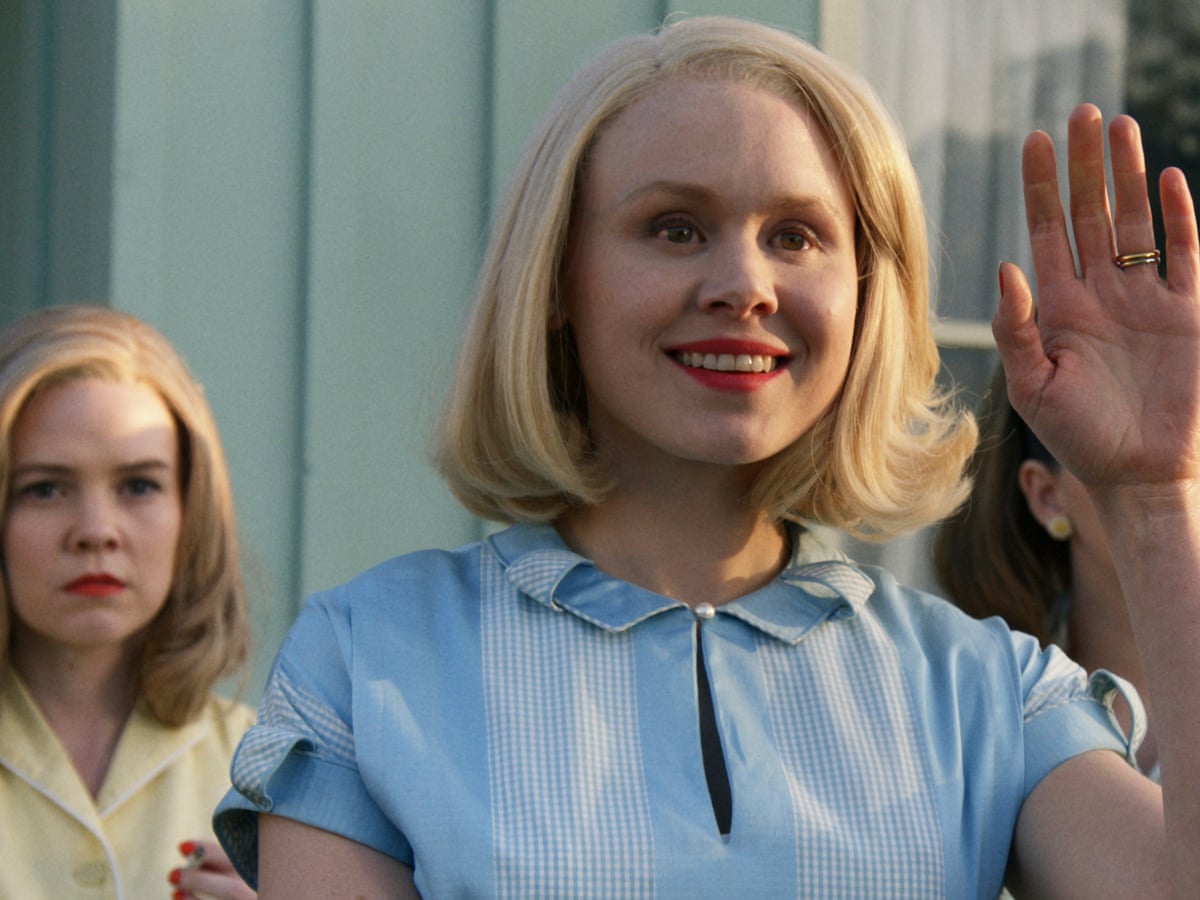
Betty Wendell (Alison Pill) is a particularly striking example. She presents herself with smiles and immaculate clothing, yet beneath that polished exterior is a woman determined to harass the Emory family.
That contrast creates much of the show’s unease. The danger is rarely presented in a straightforward way. Instead, the family is subjected to psychological warfare, manipulation, and gaslighting, with the hostility around them becoming increasingly impossible to escape.
The Emorys have nowhere to find lasting safety. Their neighbors threaten them outside the home while supernatural entities torment them inside it. Their situation turns the family into a representation of oppression that refuses to disappear, no matter where they turn.
Why King’s Praise Fits the Series
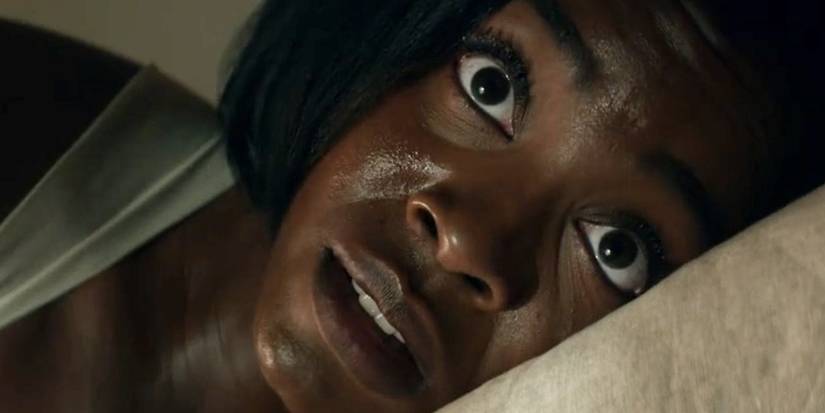
King did not publicly comment on the remainder of Them: Covenant or on Them: The Scare, but his reaction to the opening episode captures the quality that defines the anthology.
The series continually connects its supernatural horrors to the trauma inflicted by the people around its protagonists. The hauntings feed into the characters’ fear and mental state, while the real-world abuse becomes just as frightening as anything supernatural.
That combination makes Them a particularly intense entry in modern horror. Its scares are rooted in atmosphere, psychological pressure, and the disturbing realities beneath its supernatural story.
For a horror writer as experienced as Stephen King to single out its first episode as something that genuinely frightened him is a fitting endorsement of what Little Marvin’s anthology sets out to accomplish.