Meghan Markle’s UK Comeback Sparks Fresh Backlash as Critic Mocks As Ever Plans and Claims Sussexes Still Want ‘It All’

Harry and Meghan’s return to Britain was always going to attract attention, but the debate has quickly shifted from where they will live to what their new life in the UK is actually supposed to look like.
The Duke and Duchess of Sussex arrived back in Britain with Prince Archie, Princess Lilibet and their dogs, Pula and Mia, for what has been described as an “extended stay.”
How long that stay will last remains unclear. Reports have ranged from several months to potentially much longer.
But even before the couple’s plans are fully settled, critics are already questioning how their California-based careers, public campaigning and private family life will fit into a British comeback.
Daily Mail columnist Jan Moir has been among the most outspoken, taking aim at Meghan’s business ambitions, Harry’s reported domestic role and what she sees as the couple’s continued sense of moral authority.
Meghan’s As Ever brand raises new questions

Much of the immediate focus has fallen on Meghan’s lifestyle brand, As Ever.
The business has strong ties to California, where much of its identity and production has been developed.
That creates an obvious question if Meghan is now going to spend a significant amount of time in Britain.
Will the duchess continue running the brand largely from the United States?
Will she travel back and forth?
Or could a British influence begin appearing in future products?
None of those possibilities has been officially confirmed, but Moir seized on the uncertainty to mock the idea of Meghan adapting the brand for the UK.
She sarcastically imagined a “niche UK edit” or even a range of traditional British preserves.
Her commentary centered heavily on Meghan’s association with jam and lifestyle products, portraying the duchess as someone capable of turning almost anything into a branded commercial opportunity.
A British version of Meghan’s lifestyle brand?
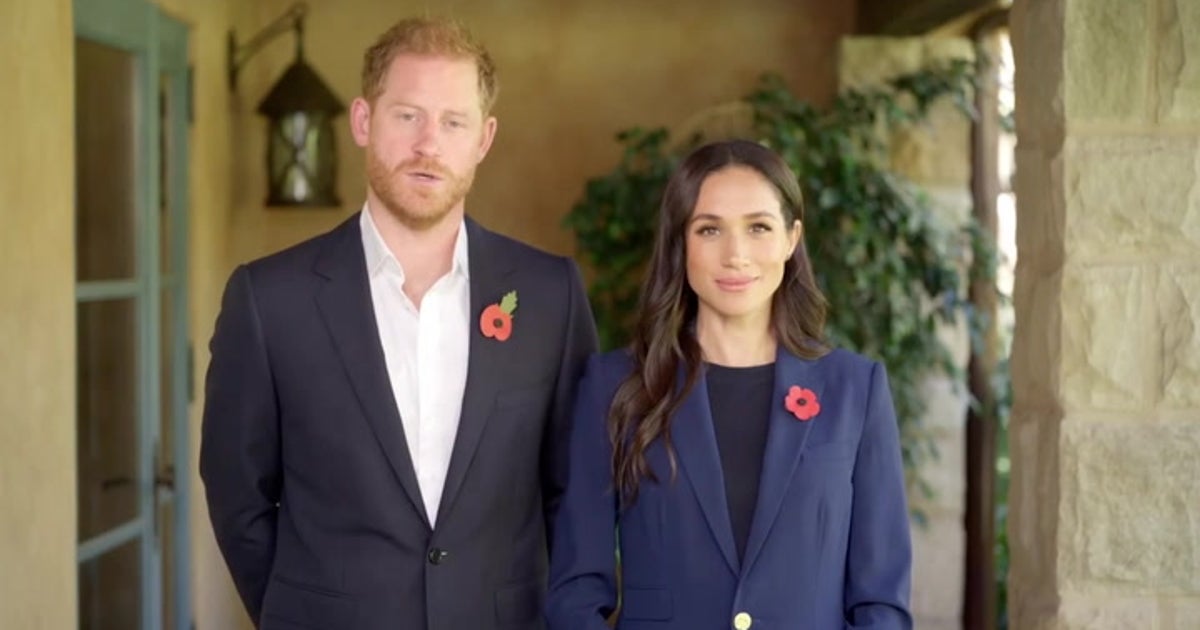
Moir joked about what she described as Meghan’s ability to combine “soft fruit,” luxury packaging and considerable confidence into another business venture.
The remarks were clearly sarcastic rather than a report that such products are actually being developed.
Still, they highlight a wider issue now facing Meghan.
As Ever became part of her post-royal identity in America, alongside her media work and other commercial projects.
Returning to Britain potentially changes the context around that brand.
A business shaped by California living may now have to coexist with a family life increasingly centered thousands of miles away.
Whether Meghan attempts to merge those worlds remains unknown.
But the prospect has already given her critics fresh material.
Harry’s new role is mocked too
Harry has not escaped the scrutiny either.
Reports suggesting the duke could embrace life as a “stay-at-home dad” in Britain were also targeted by Moir.
She mocked the description and suggested it amounted to little more than another way of saying he was “unemployed.”
The criticism comes as Harry’s professional role appears less clearly defined than it once was.
Since leaving royal duties, he has participated in commercial deals, charitable projects and public campaigns.
But a long-term return to Britain could change his daily routine considerably.
With Archie and Lilibet expected to spend more time in the UK, Harry may increasingly focus on family life.
For some observers, that could simply mean a father choosing to prioritize his children.
For critics such as Moir, however, it has become another example of the Sussexes attempting to put a polished label on an uncertain new chapter.
Their Meta statement becomes another target

The couple’s recent criticism of Meta also featured prominently in Moir’s attack.
Harry and Meghan condemned the technology company over what they described as a data-extraction business model affecting children.
The issue fits closely with causes the Sussexes have spoken about for years, particularly online safety and the impact of technology on young people.
But Moir portrayed the intervention very differently.
She questioned why the Sussexes felt the need to involve themselves and suggested they continued to behave as if they possessed an unusually important role in major global debates.
Her criticism was especially sharp.
“You have to laugh,” she wrote.
“It’s like Mickey and Minnie Mouse firing a peashooter at King Kong.”
‘They remain imbued with a mutual god complex’

Moir then delivered one of the strongest attacks in the column.
She accused Harry and Meghan of maintaining what she called a “mutual god complex.”
According to her argument, the couple remain highly confident in their ability to influence public debate despite no longer being working members of the Royal Family.
She suggested they continue to behave as if their mission is to tackle major problems and improve society.
“The case has got nothing to do with the Sussexes,” she wrote in reference to the Meta controversy, before arguing that they remained “secure in their own sense of importance.”
Her language was deliberately provocative, framing the couple’s public activism not as sincere campaigning but as evidence of an inflated view of their own significance.
Six years of campaigning comes under attack
Since stepping back from royal duties, Harry and Meghan have consistently spoken about issues including racism, mental health, environmental concerns, media practices and online safety.
Supporters have viewed those efforts as evidence that the pair wanted to build a public role independent of the monarchy.
Critics have often seen something else.
Moir argued that the couple have spent the past six years presenting themselves as advocates for a “fairer, greener world” while continuing to enjoy extraordinary privilege.
That contrast forms the heart of her criticism.
In her view, the Sussexes want to campaign against inequality and elitism while still benefiting from wealth, celebrity and royal status.
She described that tension as hypocrisy.
‘They want it all’
Moir ended her argument by returning to the theme of Meghan’s lifestyle brand.
“They want it all, they want it now – with jam on,” she wrote.
The line was designed as both a joke about As Ever and a broader criticism of the Sussexes’ post-royal life.
According to Moir, Harry and Meghan want independence without losing influence, private wealth without abandoning public causes, and celebrity freedom while retaining the status attached to their royal titles.
That argument has followed the couple almost from the moment they left frontline royal duties.
Their return to Britain is now reviving it with fresh intensity.
Their status remains difficult to define
One reason the Sussexes continue attracting such divided reactions is that their position remains unusual.
They are no longer working royals.
But Harry remains the son of the King.
They pursue private commercial ventures.
But they also frequently speak about major social issues.
They live as celebrities.
But much of the public interest surrounding them continues to come from their connection to the monarchy.
That combination makes almost every decision vulnerable to conflicting interpretations.
A business launch can be seen as entrepreneurial or exploitative.
A social campaign can be viewed as meaningful advocacy or self-importance.
A family move can be treated as a private choice or the latest stage in a much larger royal drama.
Britain could make that scrutiny even more intense
Living in California created physical distance between Harry and Meghan and the institution they left behind.
Britain removes much of that distance.
If their stay becomes long term, every appearance, business move and public statement could be judged against the Royal Family operating nearby.
Meghan’s projects may attract more questions about whether she is using royal associations commercially.
Harry’s future may be measured against the official duties still carried out by other senior royals.
And any intervention in public debate is likely to revive arguments over whether the Sussexes still see themselves as holding a quasi-royal platform despite leaving formal service.
That appears to be precisely what critics such as Moir are already challenging.
A new chapter — with the same old arguments
Harry and Meghan may be beginning a new phase of their lives in Britain, but the controversy surrounding them has changed remarkably little.
Questions about privilege, activism, commercial ambition and royal status remain as heated as ever.
The couple have not publicly presented their UK return as an attempt to resume royal duties.
Nor have they confirmed many of the long-term plans currently being discussed around them.
Even so, their arrival has immediately reopened the larger debate over what role they believe they should occupy.
For Jan Moir, the answer is deeply unflattering: she sees two former working royals still convinced that their voices should carry enormous weight.
For supporters, their campaigning may simply reflect causes they have chosen to continue pursuing outside the monarchy.
Either way, their British comeback has ensured one thing.
Harry and Meghan may have crossed the Atlantic, but they have not escaped the arguments that have defined their post-royal years.