“Heart of the Beast”: When Moral Boundaries Collapse and the Hunted Turns Hunter

In the upcoming action-thriller “Heart of the Beast” developed by Sony Pictures, the high-profile reunion between Brad Pitt and director David Ayer promises far more than visceral close-quarters combat. By probing deep into the psyche of a peacetime warrior, the film thrusts its protagonist into an agonizing moral dilemma when the sudden intrusion of an armed criminal syndicate shatters his fragile sanctuary in the New Zealand wilderness.
When Territorial Boundaries Are Breached

After dedicating years to high-stakes combat operations, the retired Navy SEAL portrayed by Brad Pitt has chosen a life of absolute seclusion, severing all ties with the modern world. For him, the rugged backcountry of New Zealand represents more than mere physical shelter—it is a sacred haven deliberately established to insulate his mind from a violent past.
That hard-won silence is shattered when a heavily armed criminal outfit infiltrates the perimeter. Their presence poses far more than an immediate physical threat; it marks a brutal violation of an isolated veteran’s final emotional buffer. When the intruders cross that boundary and endanger his sole companion—his loyal dog—the primal defense mechanisms of a cornered predator are instantly triggered.
From Defensive Survival to an Inverted Hunt
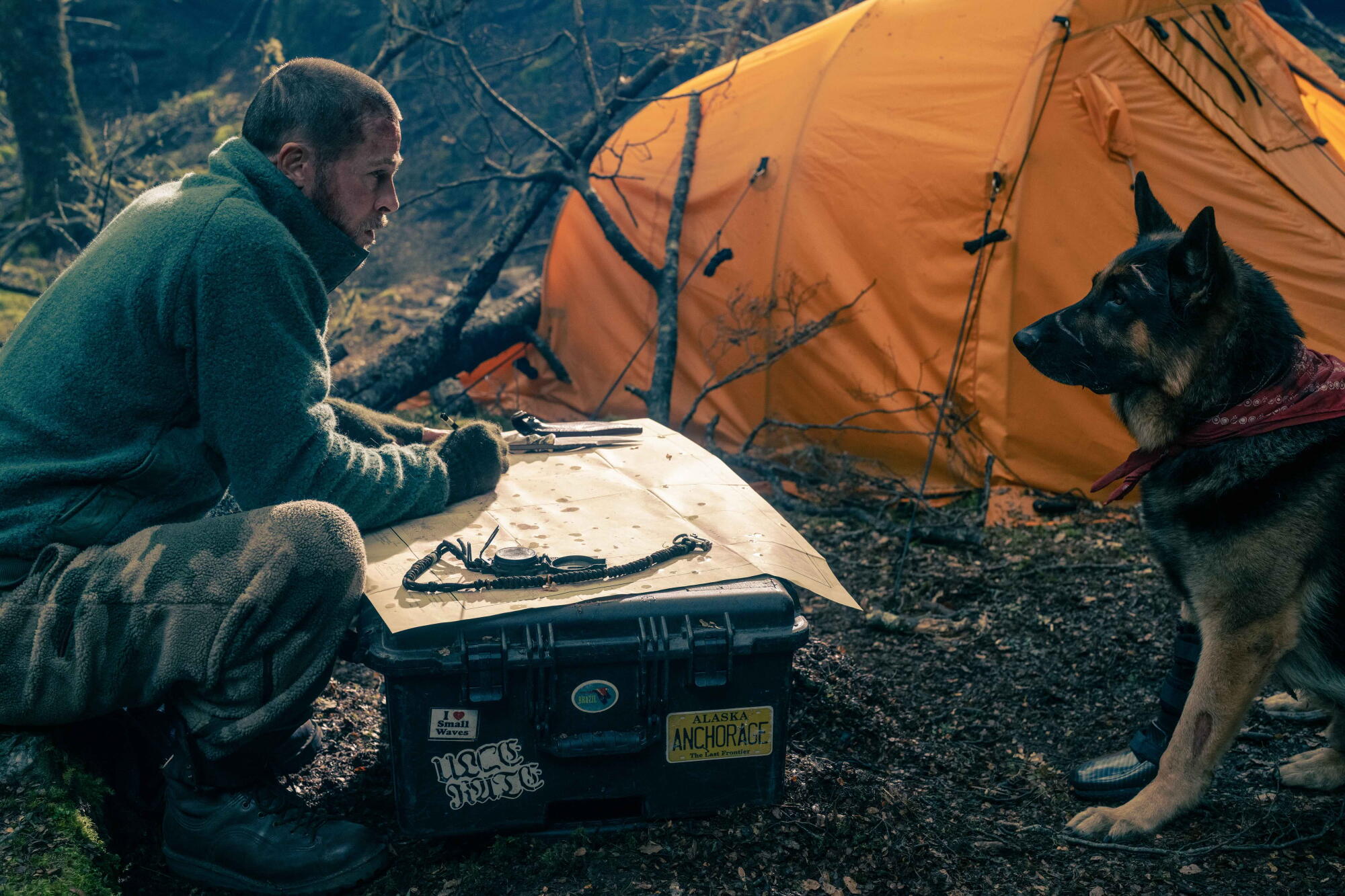
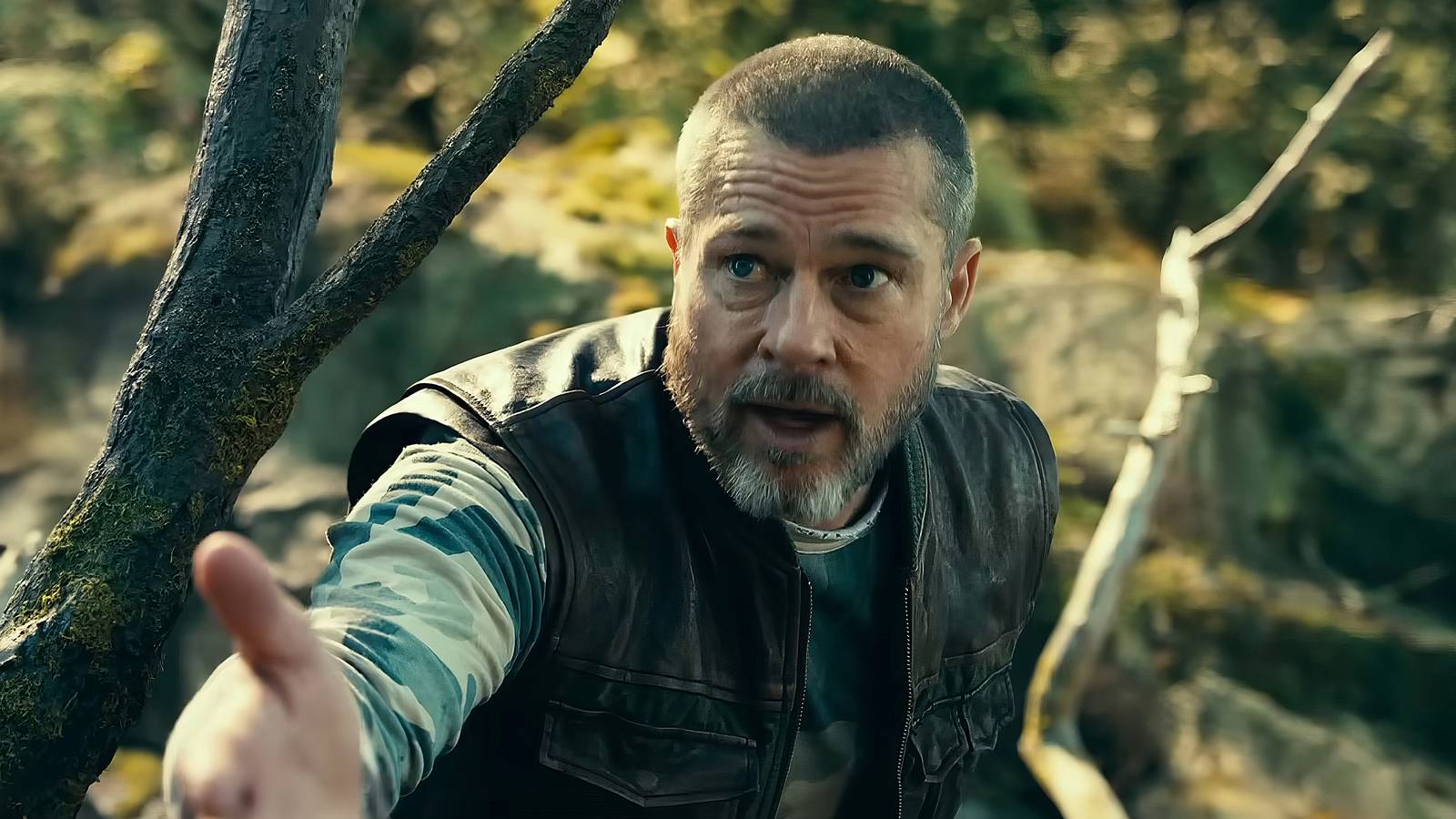
The narrative tension crafted by screenwriter Cameron Alexander hinges on the rapid psychological pivot of the protagonist. What begins as a desperate bid for pure survival—evading, deflecting, and preserving life—swiftly evolves under the syndicate’s relentless aggression.
Trained to the peak of elite guerilla warfare, Pitt’s character begins weaponizing the treacherous landscape, turning the unforgiving wilderness back against the intruders. The dynamic shifts: the prey becomes the predator. Setting lethal traps and executing precise, calculated ambushes, he turns the tables, plunging the overconfident syndicate into sheer panic as they realize they are outmatched by an adversary far deadlier than they anticipated.
The Corruption of Violence: Who Is the True “Beast”?
:max_bytes(150000):strip_icc()/heart-of-the-beast-brad-pitt-01-083126-7372e45420764990b94f1b8bd6df9bbc.jpg)
Under the direction of David Ayer—celebrated for his gritty, uncompromising realism in Fury, End of Watch, and The Beekeeper—violence is never romanticized. Ayer excels at dissolving the black-and-white dichotomy between hero and villain, and Heart of the Beast pushes deep into that moral gray zone.
As the hunt reaches its fever pitch, the film confronts the audience with a haunting question: To eradicate ruthless invaders, the veteran must awaken the dormant “beast” within; yet once that savagery is unleashed, does he become even more monstrous than the men he set out to destroy?
Violence inherently erodes humanity. The transition from righteous self-defense to absolute annihilation threatens to strip away the fragile soul he spent years trying to rebuild in exile. Ultimately, the struggle in Heart of the Beast extends beyond physical survival—it becomes a spiritual tragedy, exposing how the true cost of conquering evil can be the surrender of one’s own humanity.