The Godfather’s Final Two Words Remain One of the Most Powerful Endings in Crime Movie History
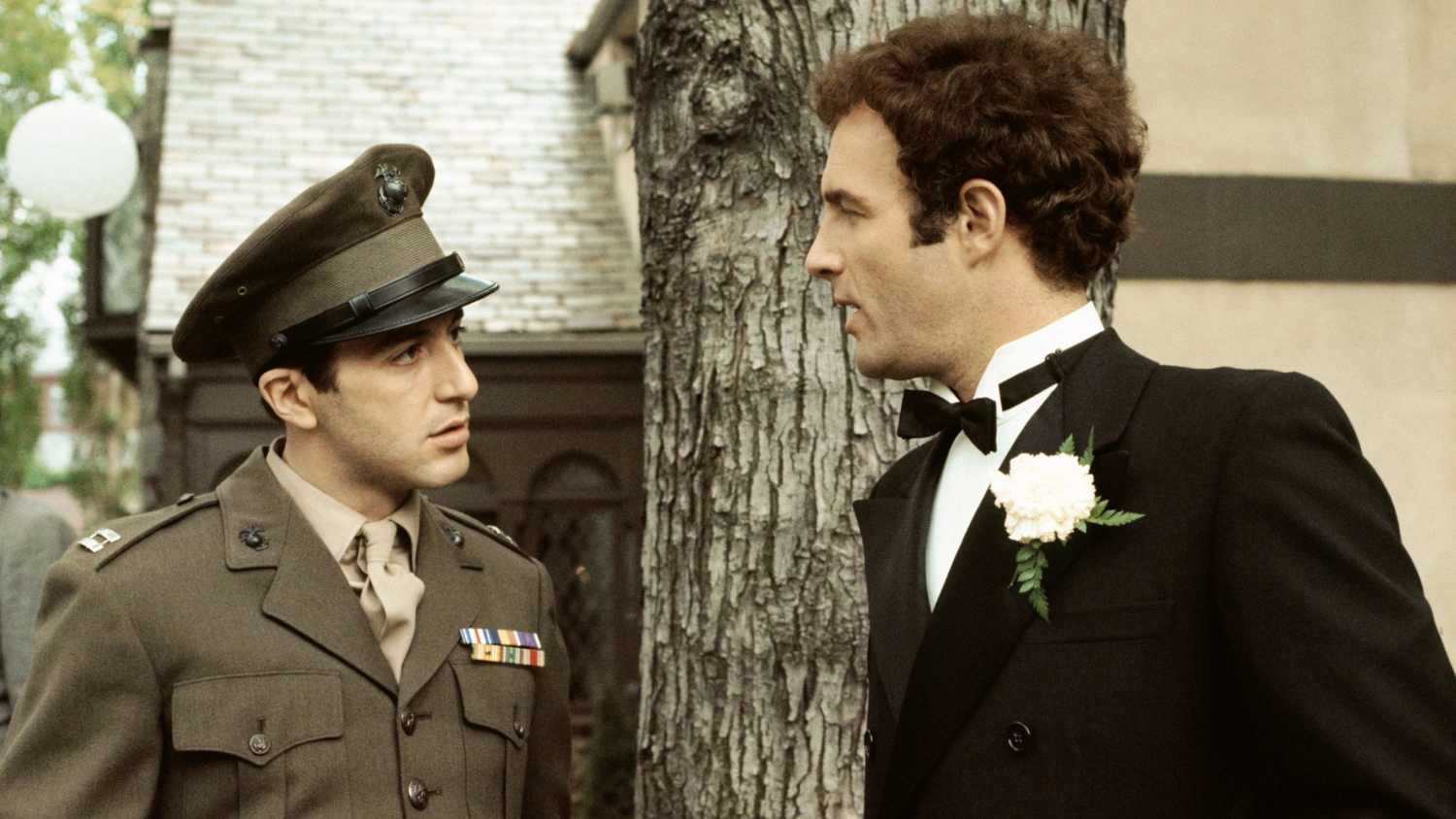
More than five decades after its release, The Godfather remains one of cinema’s most celebrated crime dramas, with an ending that continues to fascinate audiences.
Directed by Francis Ford Coppola and starring Marlon Brando and Al Pacino, the 1972 masterpiece transformed the gangster genre through its exploration of family loyalty, ambition and the consequences of power.
While the film contains countless memorable moments, its final spoken line carries particular significance.
Just two words, delivered by Peter Clemenza, bring Michael Corleone’s extraordinary transformation to a chilling conclusion.
The Godfather Changed the Gangster Movie Forever
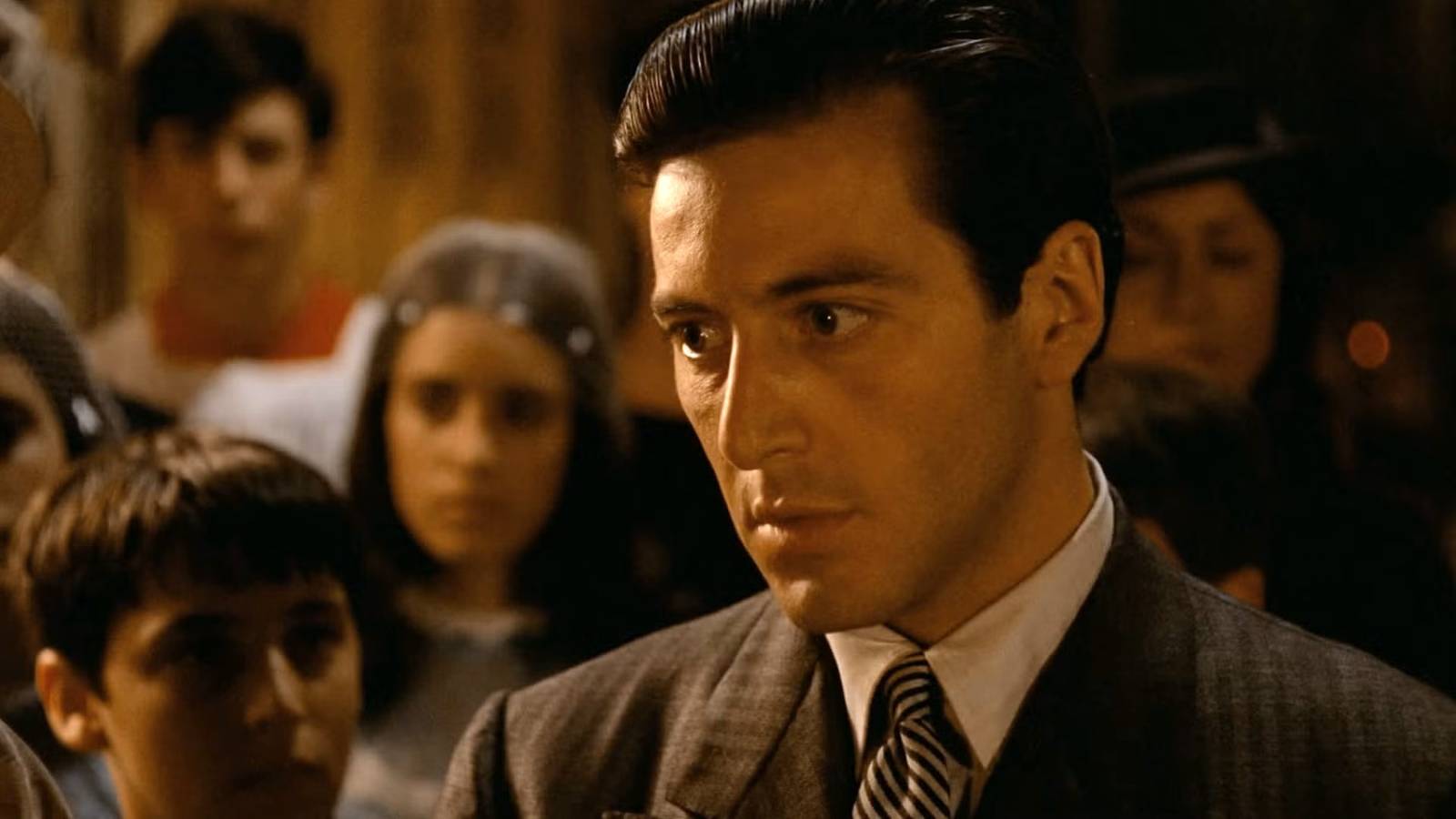
Before The Godfather, many Hollywood crime films portrayed gangsters primarily through their violent activities and conflicts with the law.
Coppola’s adaptation of Mario Puzo’s novel offered a more complicated perspective, presenting organized crime through the intimate relationships and traditions of the Corleone family.
The film became the highest-grossing movie of 1972 and went on to achieve major success at the Academy Awards.
It won Best Picture, while Marlon Brando received Best Actor for his portrayal of Vito Corleone.
Coppola and Puzo also won the Oscar for Best Adapted Screenplay.
Beyond its commercial and critical achievements, the film became particularly influential for its portrayal of Michael Corleone’s gradual descent into the criminal world.
Michael Corleone’s Transformation Reaches Its Final Stage
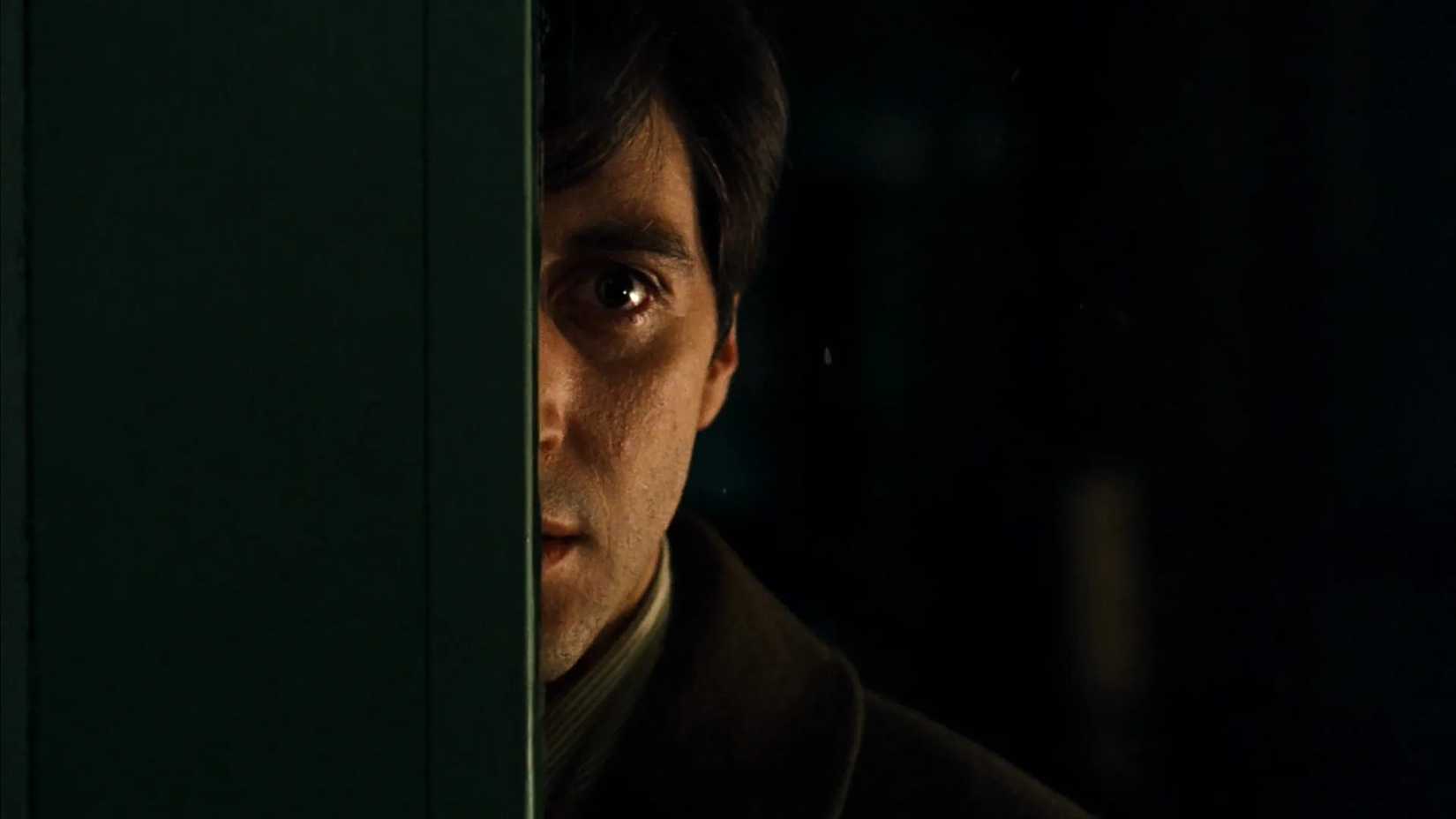
At the beginning of the story, Michael, played by Al Pacino, appears determined to distance himself from his family’s illegal activities.
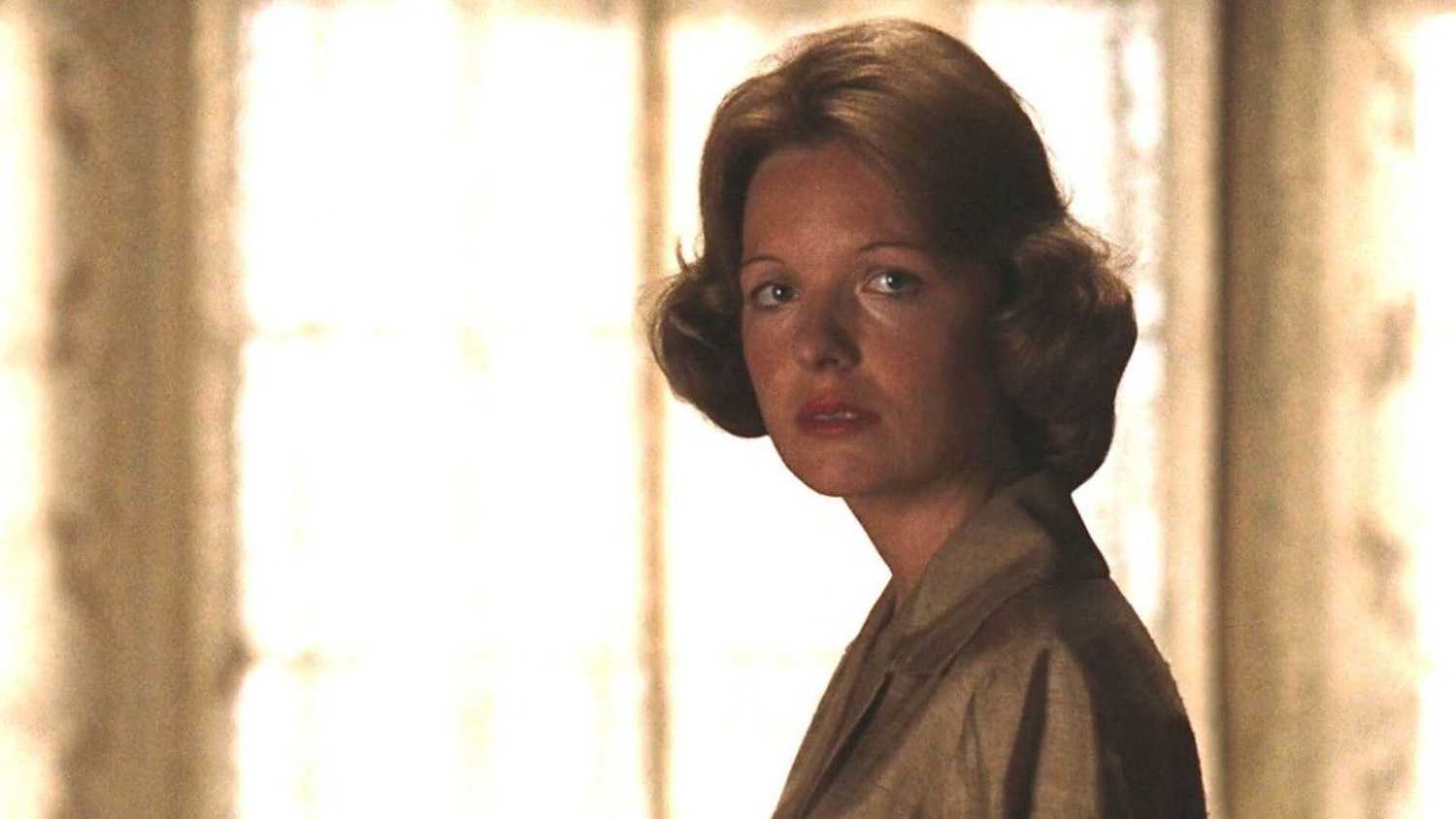
A decorated World War II veteran, he hopes to pursue an ordinary life with his girlfriend, Kay Adams, portrayed by Diane Keaton.
However, escalating threats against the Corleone family force him into increasingly dangerous decisions.
Following the loss of his older brother Sonny and the eventual passing of his father, Vito, Michael assumes control of the family’s criminal organization.
His transformation culminates in the film’s famous baptism sequence, which contrasts a religious ceremony with a series of coordinated attacks against rival crime bosses.
The sequence establishes Michael’s willingness to use ruthless methods to consolidate his authority.
Yet the film’s most revealing moment arrives afterward, in the privacy of the Corleone household.
Clemenza’s Final Words Reveal Michael’s New Identity
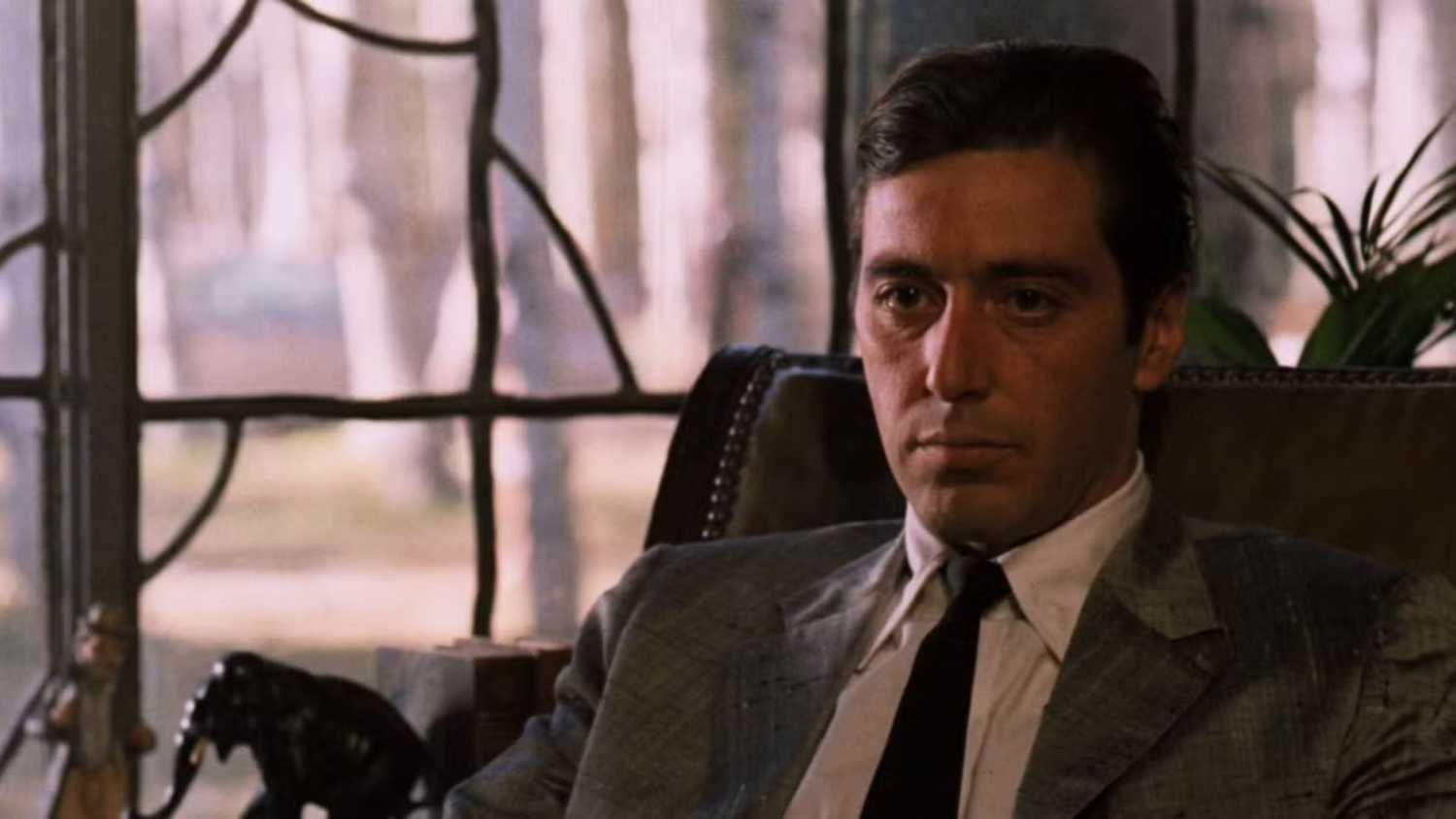
Following the violence, Michael faces questions from his sister Connie about the fate of her husband, Carlo Rizzi.
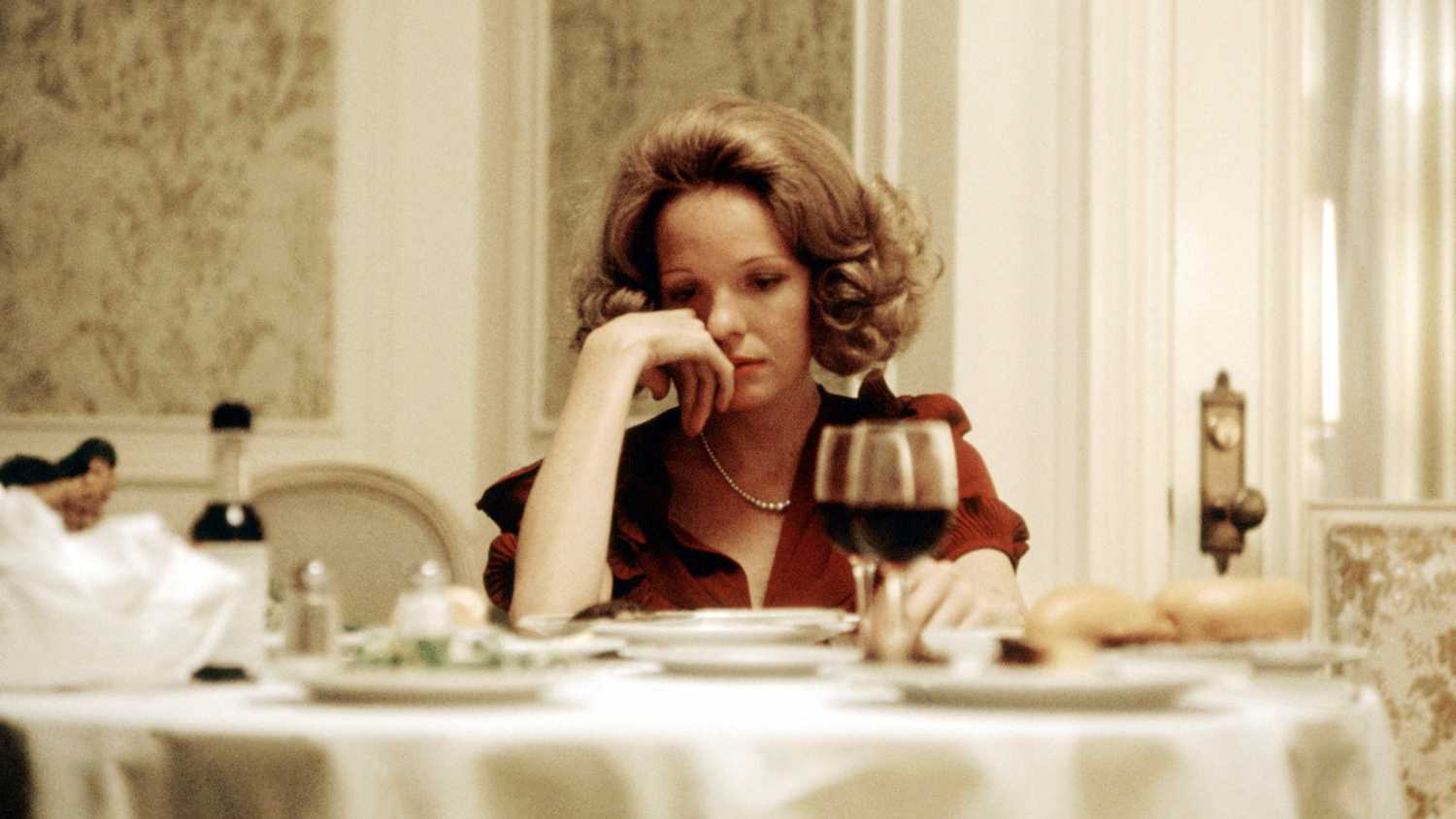
Kay also confronts Michael, seeking reassurance about his involvement.
Although Michael agrees to answer her question, he denies responsibility, concealing the truth from his wife.
Moments later, several of his closest associates enter the room.
Rocco Lampone, Al Neri and Peter Clemenza approach Michael and demonstrate their loyalty by kissing his hand.
Clemenza then addresses him with the film’s final spoken words:
Don Corleone.
The brief acknowledgment confirms that Michael has fully inherited his father’s position as the head of the family.
What began as the story of a young man attempting to escape his family’s criminal legacy has become the story of someone embracing it completely.
Why the Closing Door Makes the Ending Even More Powerful
The significance of Clemenza’s words is reinforced by one of the film’s most memorable visual moments.
As Michael’s associates acknowledge their new leader, Kay watches from outside the office.
Al Neri then closes the door, shutting her out.
The gesture creates a powerful contrast between Michael’s two identities: husband and family patriarch on one side, criminal leader on the other.
Throughout the film, Michael has repeatedly justified his actions as necessary to protect the people closest to him.
However, the closing door suggests that his pursuit of power is creating an increasingly serious divide between his personal relationships and his responsibilities within the organization.
Kay’s exclusion also emphasizes how little she now understands about the man she married.
Without additional dialogue, Coppola communicates the emotional consequences of Michael’s transformation.
Two Simple Words Complete One of Cinema’s Greatest Character Arcs
The title Don Corleone represents more than Michael’s promotion within a criminal hierarchy.
The honorific carries associations with authority, tradition and respect, making Clemenza’s acknowledgment particularly meaningful.
Earlier in the story, the same gestures of loyalty were directed toward Vito Corleone.
Their repetition at the conclusion confirms that Michael has taken his father’s place.
The moment also establishes a troubling contrast between the two men, as Michael’s methods and personal choices suggest an increasingly uncompromising approach to leadership.
Although The Godfather contains more instantly recognizable dialogue, its final line achieves something particularly difficult.
It brings an entire character journey to its conclusion while suggesting the conflicts that may follow.
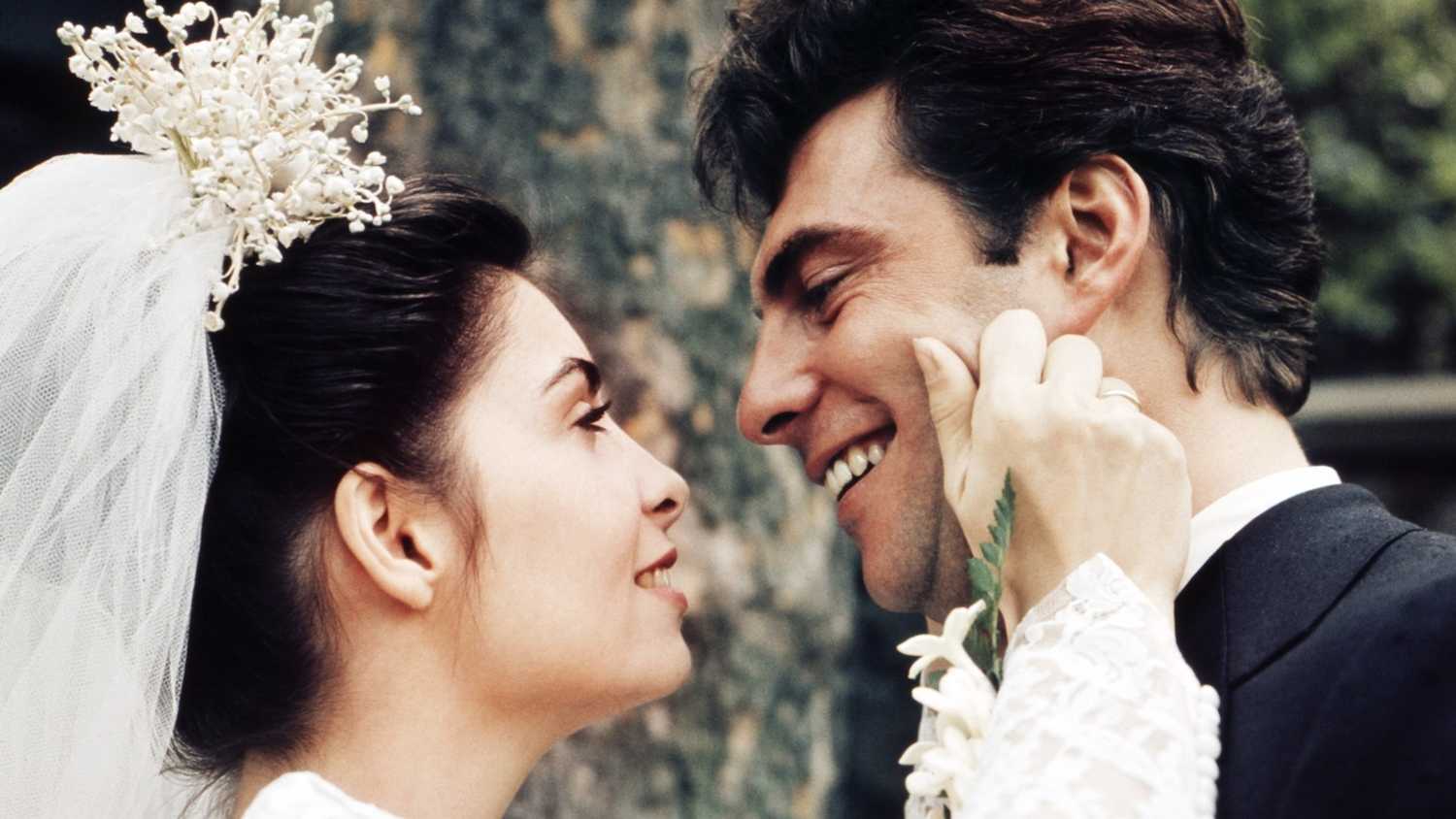
Combined with the image of the closing door, those two words capture the central tragedy of Michael Corleone: a man who gains control of his family’s empire while placing his closest relationships at risk.
That combination of understated dialogue, visual storytelling and emotional consequence helps explain why The Godfather continues to be regarded as one of the greatest crime films ever made.