Steven Spielberg and Tom Hanks’ $250 Million WWII Epic Is the Perfect Follow-Up to Band of Brothers
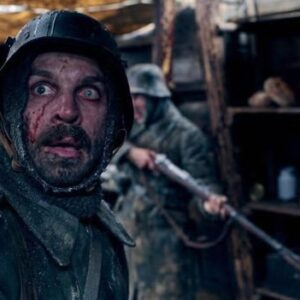
More than 25 years after its HBO debut, Band of Brothers remains one of television’s most celebrated portrayals of World War II. Produced by Steven Spielberg and Tom Hanks, the landmark miniseries established an extraordinary standard for historical storytelling, combining large-scale combat sequences with deeply personal accounts of soldiers’ experiences.
Its success eventually inspired The Pacific, another ambitious production exploring a different theater of the war.
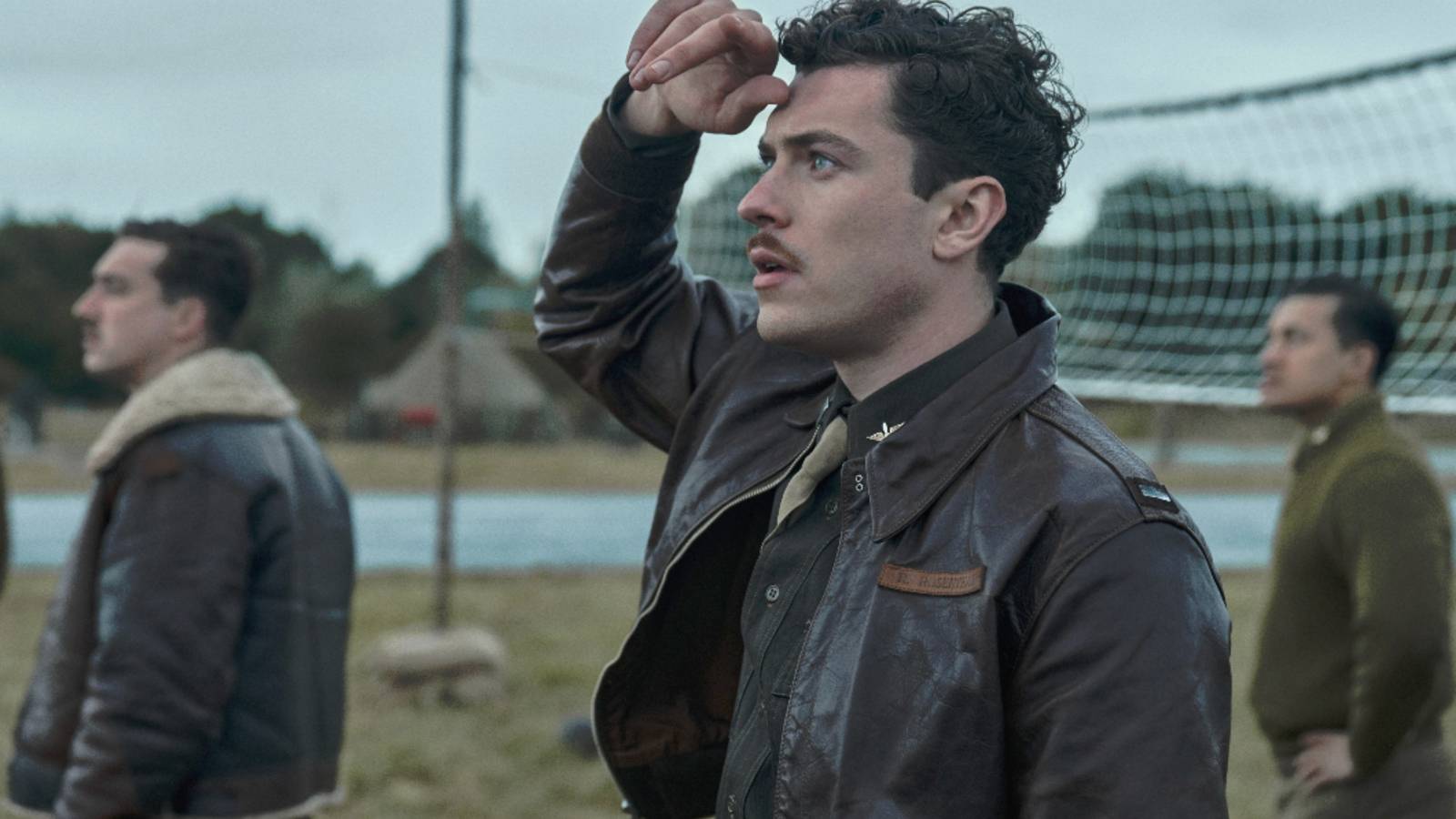
Now, the creative partnership’s third companion series, Masters of the Air, completes the journey with an equally ambitious depiction of American airmen fighting over Europe.
Featuring Austin Butler and Callum Turner, the nine-part Apple TV drama reportedly cost $250 million to produce, making it approximately twice as expensive as the original Band of Brothers.
Masters of the Air Tells the Story of the Bloody 100th
Based on Donald L. Miller’s 2007 book, Masters of the Air premiered on Apple TV on January 26, 2024.
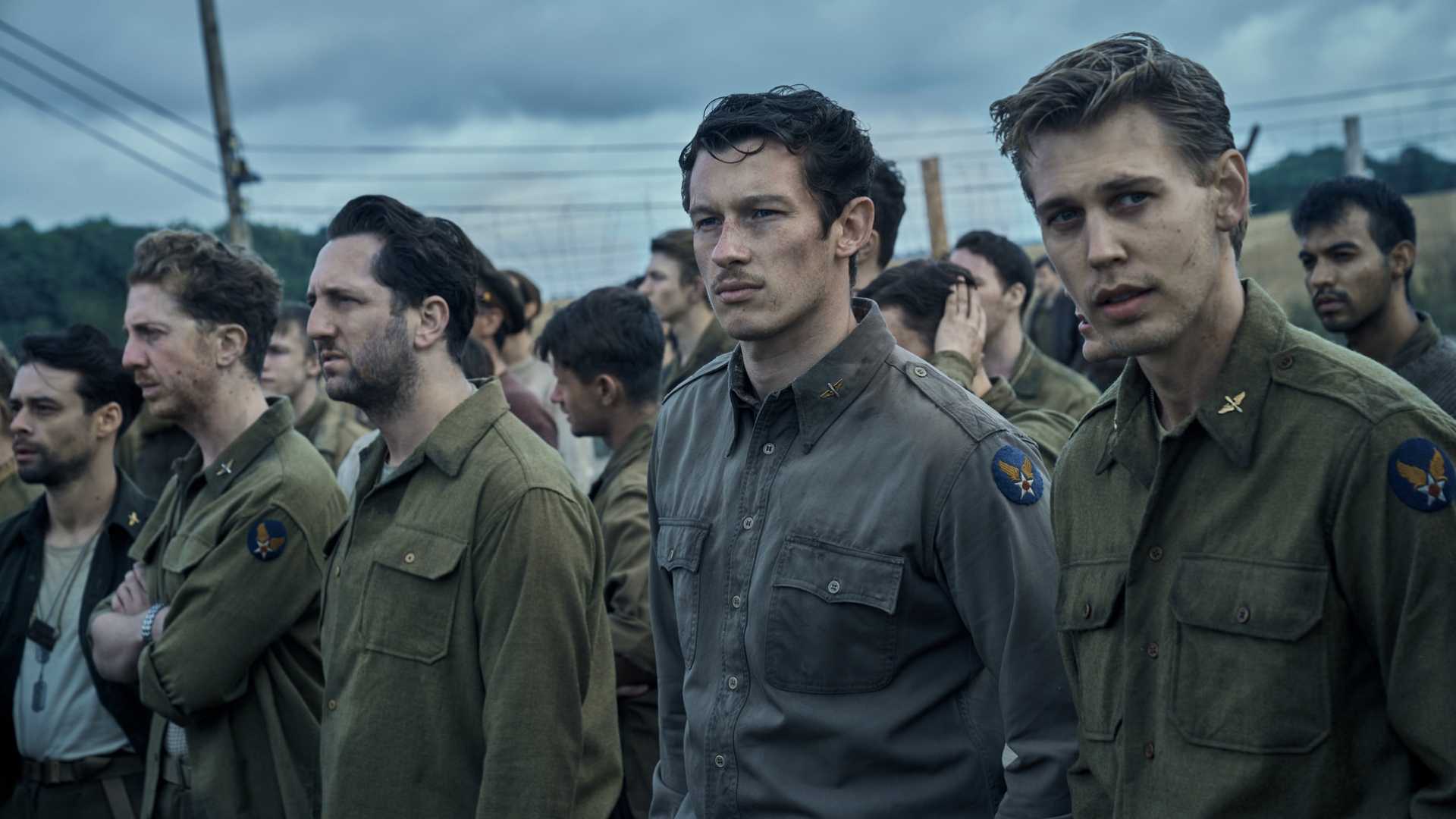
The miniseries follows the 100th Bomb Group of the United States Eighth Air Force, a unit that became known as the Bloody 100th because of the devastating losses it experienced during World War II.
Austin Butler portrays Major Gale Cleven, known as Buck, while Callum Turner plays Major John Egan, nicknamed Bucky.
Both characters are based on real American airmen who participated in dangerous bombing missions over German-occupied Europe.
The story follows their experiences as they confront increasingly hazardous assignments, the strain of combat and the uncertainty of whether they will return from each mission.
Although the series features spectacular aerial battles, its emotional foundation lies in the relationships between the men serving together.
Their friendships, personal struggles and shared sacrifices give the story much of its dramatic weight.
How the Series Completes Spielberg and Hanks’ WWII Trilogy
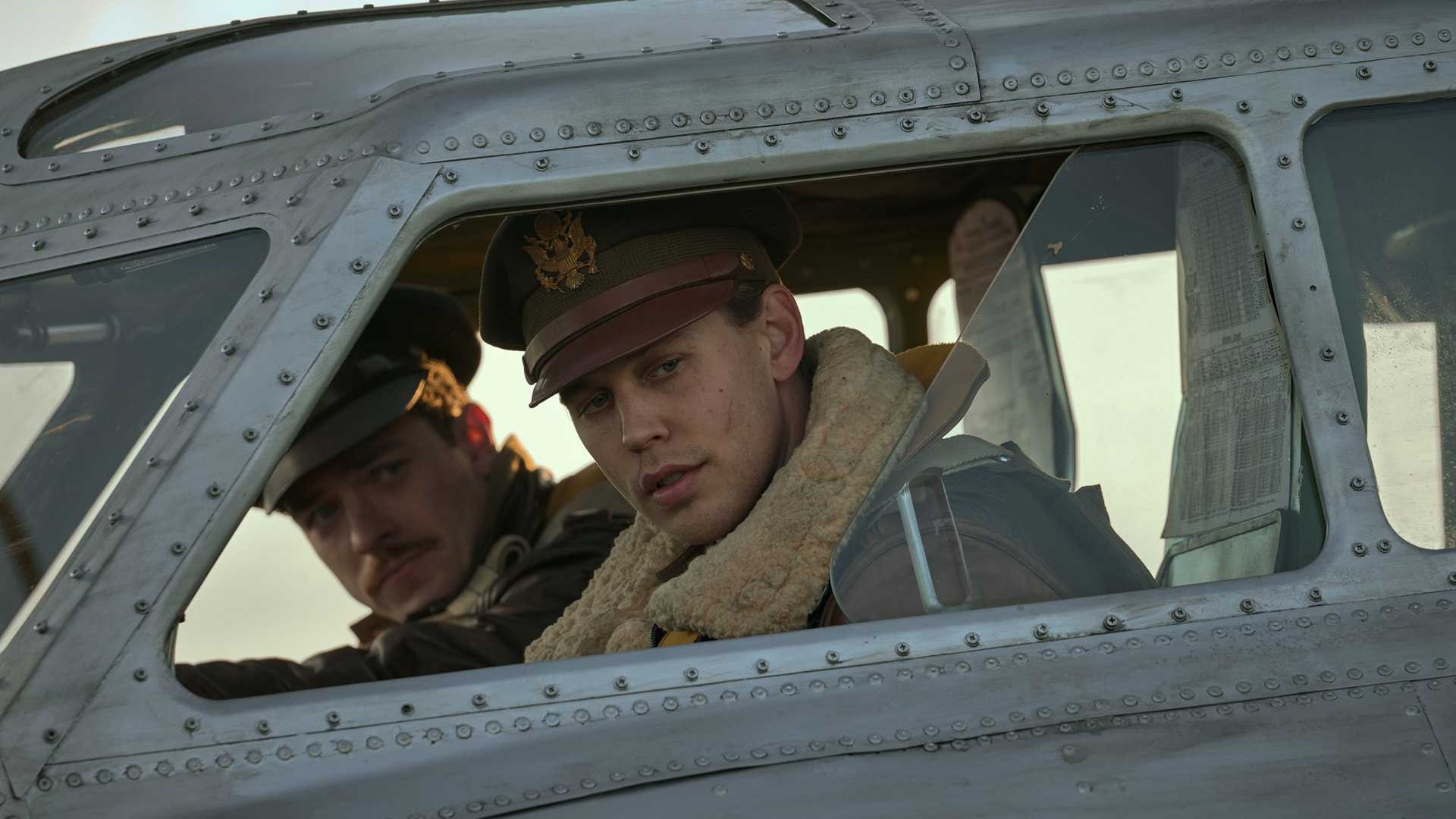
Masters of the Air serves as a thematic companion to Band of Brothers and The Pacific, although the three productions tell separate stories.
Released in 2001, Band of Brothers follows Easy Company of the 506th Parachute Infantry Regiment during the European campaign.
The ten-episode HBO production received widespread acclaim and won the Emmy Award for Outstanding Miniseries.
Nearly a decade later, Spielberg and Hanks returned with The Pacific, which shifted the focus to American Marines fighting in the Pacific theater.
Masters of the Air completes the three-part exploration by examining the war from the perspective of bomber crews.
Together, the productions portray the experiences of American service members fighting on land, at sea and in the air.
Each series emphasizes the human consequences of combat rather than relying entirely on battlefield spectacle.
A $250 Million Budget Brings WWII Aerial Combat to Life
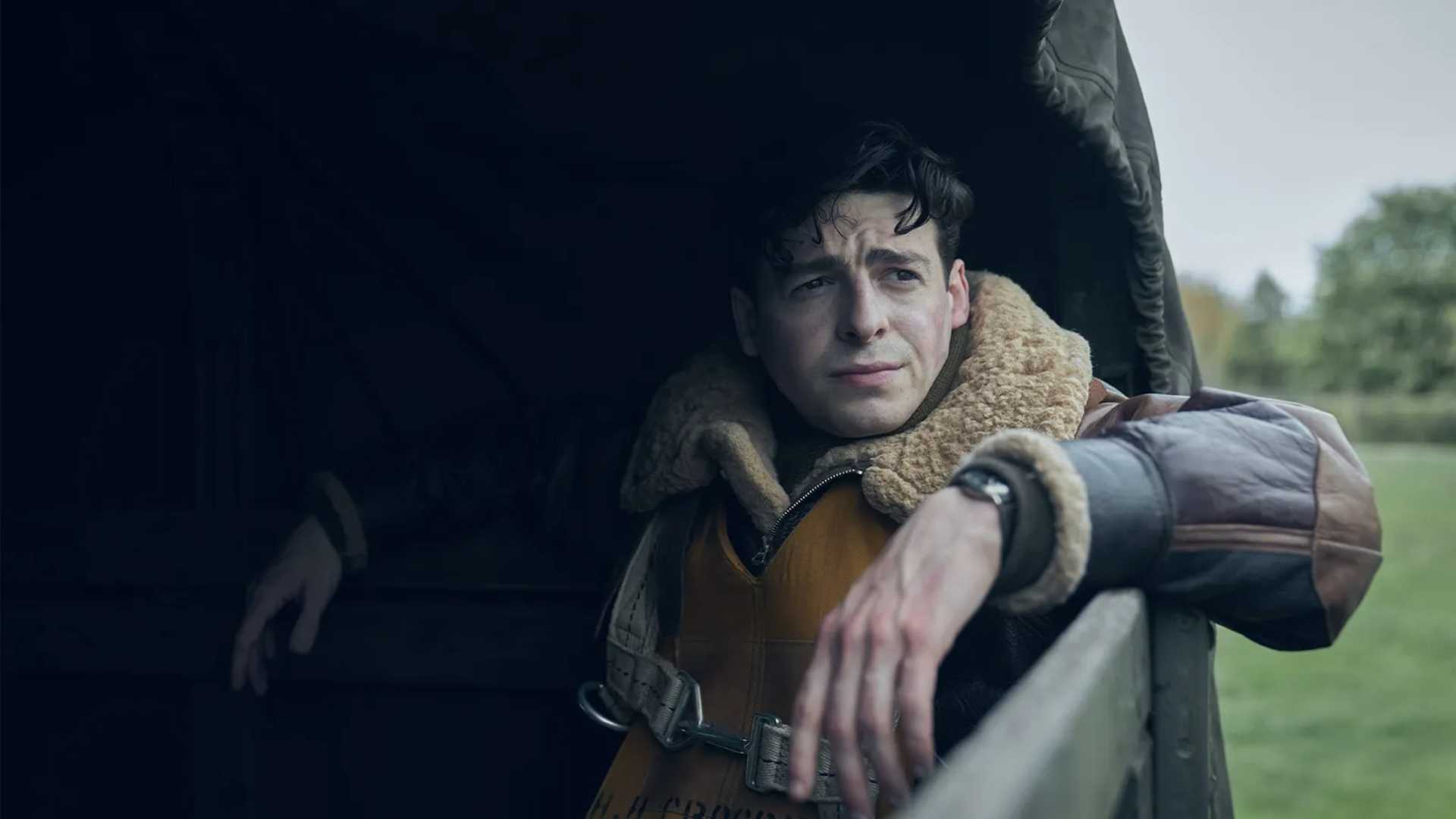
The financial scale of Masters of the Air represents a significant increase over its predecessor.
When Band of Brothers premiered, its reported $125 million budget made it one of the most expensive television miniseries ever produced.
Spread across ten episodes, that amounted to approximately $12.5 million per installment.
By comparison, Masters of the Air reportedly cost $250 million across nine episodes, averaging nearly $27.8 million each.
The substantial investment helped the production recreate the dangerous aerial missions undertaken by American bomber crews.
The series features detailed aircraft sequences, large-scale combat scenes and extensive visual effects designed to convey the intensity of warfare thousands of feet above the ground.
These sequences distinguish Masters of the Air from the ground-based battles of Band of Brothers and the island campaigns depicted in The Pacific.
However, the impressive production values are accompanied by quieter scenes exploring the emotional toll of military service.
The Cast and Directors Bring Hollywood Talent to the Small Screen
Beyond Butler and Turner, Masters of the Air features an extensive ensemble cast portraying the men of the 100th Bomb Group.
Among the performers is Sawyer Spielberg, Steven Spielberg’s son, who appears as Lieutenant Roy Frank Claytor.
The production also assembled several established filmmakers to direct its episodes.
Cary Joji Fukunaga, known for his work on True Detective, contributed alongside Anna Boden and Ryan Fleck, the directing duo behind Captain Marvel.
Dee Rees, acclaimed for Mudbound, also directed episodes of the miniseries.
Their combined experience helped shape a production that balances cinematic action with intimate character drama.
While the series draws heavily from historical events, certain missions and incidents have been condensed or dramatized for television.
These include elements of the 100th Bomb Group’s early operations, the Münster raid and the experiences of the Tuskegee Airmen.
Masters of the Air Earns Strong Reviews Despite Band of Brothers Comparisons
Matching the reputation of Band of Brothers was always going to be difficult.
The original HBO miniseries holds a 94% critics’ score on Rotten Tomatoes and continues to be regarded as a benchmark for historical television drama.
Masters of the Air has also received positive reviews, earning an 85% critics’ score on the same platform.
Critics have praised its cinematic visuals, ambitious production design and depiction of the dangers faced by World War II bomber crews.
The series has also drawn recognition for the emotional relationships that develop between its central characters.
Although its reception has not quite matched that of Band of Brothers, it remains a substantial addition to Spielberg and Hanks’ collection of wartime dramas.
With nine episodes, Masters of the Air offers a complete historical story that can be watched over a weekend.
For viewers who appreciated the realism, camaraderie and emotional storytelling of Band of Brothers and The Pacific, the Apple TV miniseries provides a compelling opportunity to experience another side of World War II through the lives of the airmen who fought it.