33 Years Later, One of the Greatest Westerns Ever Made Is Finding a New Audience on Streaming
Some films become classics almost effortlessly. Others earn that status by surviving a production that seems destined to fall apart. Few Hollywood projects had a more difficult journey than Tombstone, the 1993 Western starring Kurt Russell and Val Kilmer.
Despite a series of setbacks, including a change of director just weeks into filming and competition from another major Wyatt Earp biopic, the movie made it to theatres and went on to become a beloved cult classic. More than three decades later, it remains one of the most celebrated Westerns of its era and is once again climbing streaming rental charts.
Its enduring reputation owes much to the determination of the cast and crew, particularly Russell, whose commitment helped keep the troubled production on track.

Tombstone Brings the Legend of Wyatt Earp to Life
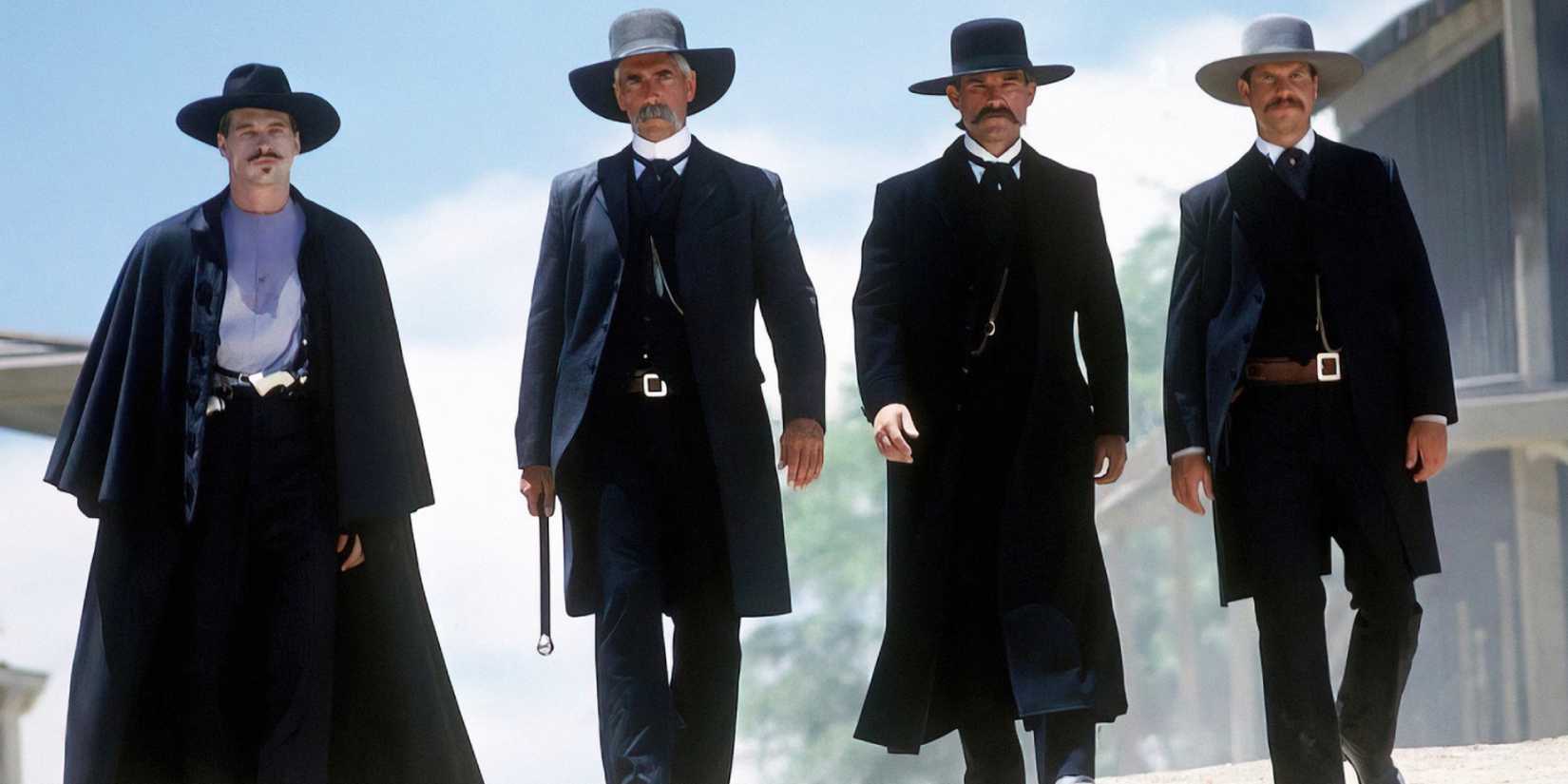
Set in the American Old West, Tombstone follows legendary lawman Wyatt Earp, played by Russell, as he arrives in the Arizona mining town of Tombstone in 1879. Hoping to leave his violent past behind, Wyatt plans to settle down, build a fortune with his brothers and reconnect with his old friend, the gunfighter Doc Holliday (Val Kilmer).
However, the town is far from peaceful. A notorious outlaw gang known as the Cowboys has been terrorising the area through brutal robberies and violence. Recognisable by their red sashes, the group soon becomes a growing threat to the local community.
Wyatt initially resists getting involved, determined to enjoy a quieter life. But as the Cowboys’ violence begins to affect the people closest to him, he is drawn back into a conflict that will ultimately become one of the most famous episodes in Western history.
Based on real events, the film features an impressive ensemble cast, including Sam Elliott, Bill Paxton and Michael Biehn, alongside a cameo appearance by Hollywood legend Charlton Heston.
Its production also unfolded against the backdrop of a Hollywood rivalry. Kevin Costner, who had initially been attached to Tombstone, went on to develop his own Wyatt Earp film, Wyatt Earp, which arrived in cinemas in 1994. The competing projects created additional challenges for Tombstone, with reports that Costner’s involvement made it harder for the rival production to secure distribution.
Yet the competition was only one of several obstacles the filmmakers would face.
Kurt Russell Helped Keep the Troubled Production Alive
The biggest crisis came approximately one month after filming began, when original director Kevin Jarre was removed from the project. Jarre, who had also written the screenplay, reportedly struggled to manage the demanding production schedule and keep filming on track.
George P. Cosmatos was brought in to replace him, but the transition was far from straightforward. The delays and changes to the schedule left members of the cast uncertain about the film’s future.
Russell, however, took on a much larger creative responsibility to help the production move forward. He worked with producer James Jacks to reshape the screenplay, streamline its storylines and place greater emphasis on the relationship between Wyatt Earp and Doc Holliday.
Years later, Russell revealed that he had effectively directed much of the film behind the scenes, with Cosmatos serving as the credited director. Russell reportedly prepared shot lists and provided instructions for Cosmatos to carry out.
The exact extent of Russell’s directing role has remained a subject of debate. Nevertheless, there is little disagreement that his leadership and creative involvement were crucial to getting the film completed.
Val Kilmer also acknowledged Russell’s contribution in a 2017 post, recalling how his co-star devoted considerable time and energy to the production, even helping prepare shot lists for Cosmatos, who had very little time to get ready before taking over.
Kilmer’s account offered a glimpse into the dedication behind the camera — and the close working relationship that helped shape the finished film.
Val Kilmer’s Doc Holliday Became One of the Western Genre’s Most Memorable Characters
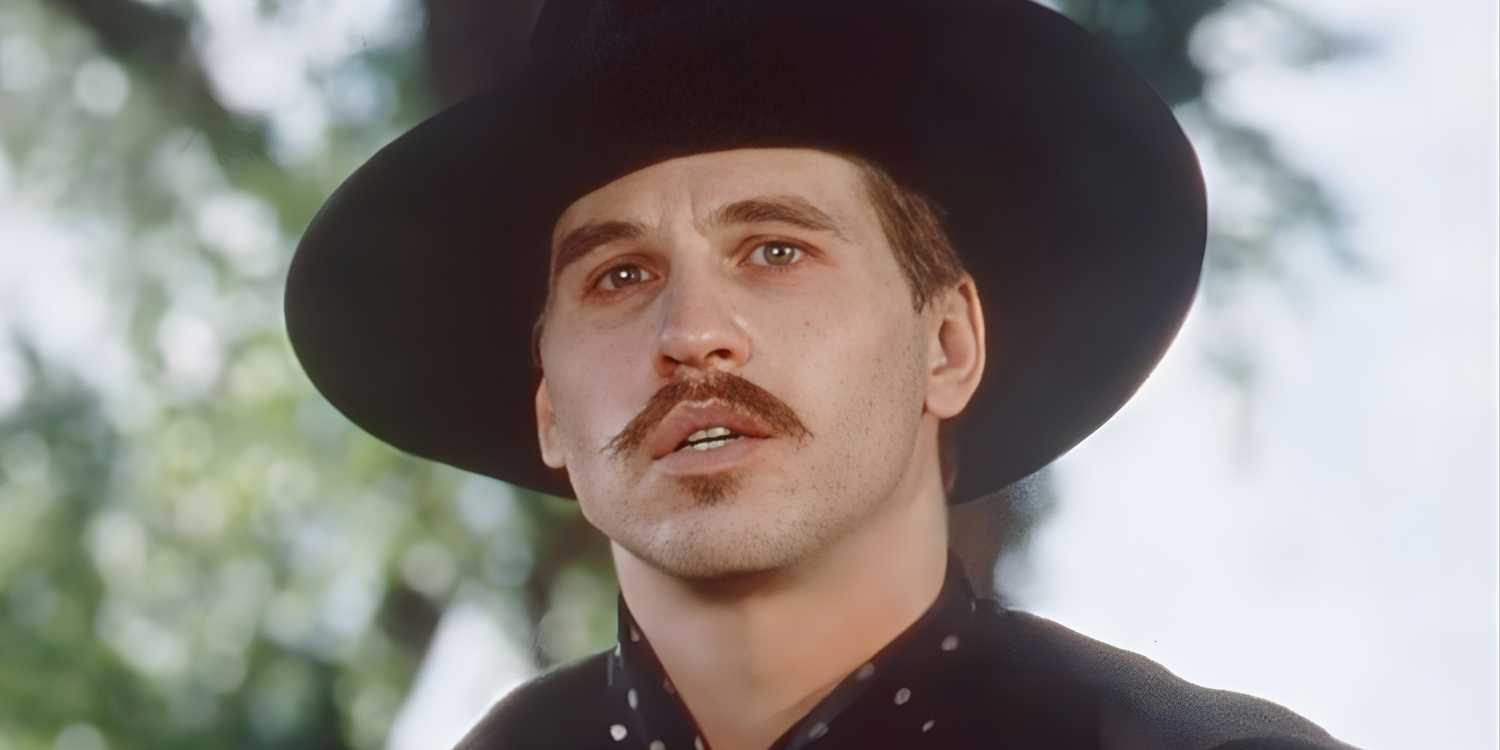
While Russell anchors the story as Wyatt Earp, Kilmer’s portrayal of Doc Holliday is widely regarded as one of the film’s greatest strengths.
During production, Kilmer and Russell reportedly lived together for a period, allowing them to spend additional time revising the screenplay and working through the filming schedule. Kilmer later recalled that he was given many of the film’s best lines, while Russell remained generous and supportive throughout the process.
One of Holliday’s most memorable lines is the now-iconic declaration, “I’m your Huckleberry.” But the character’s appeal goes far beyond his sharp dialogue and dry humour.
Behind his witty, unpredictable exterior is a seriously ill man whose journey gradually develops into one of the film’s most affecting storylines. As Wyatt becomes increasingly involved in the fight against the Cowboys, Doc’s loyalty and willingness to sacrifice himself reveal a more selfless side to his character.
Kilmer’s distinctive Southern accent, understated wit and quiet respect for Wyatt’s principles make the performance especially compelling. Although he plays a supporting role, Doc often commands the screen whenever he appears.
The performance also arrived at a particularly successful point in Kilmer’s career. By 1993, he had already become a familiar Hollywood star through films such as Top Gun, Willow and The Doors. Just two years later, he would take on the lead role in Batman Forever. Yet, for many Western fans, his work in Tombstone remains among his most memorable performances.
A Western That Overcame the Odds
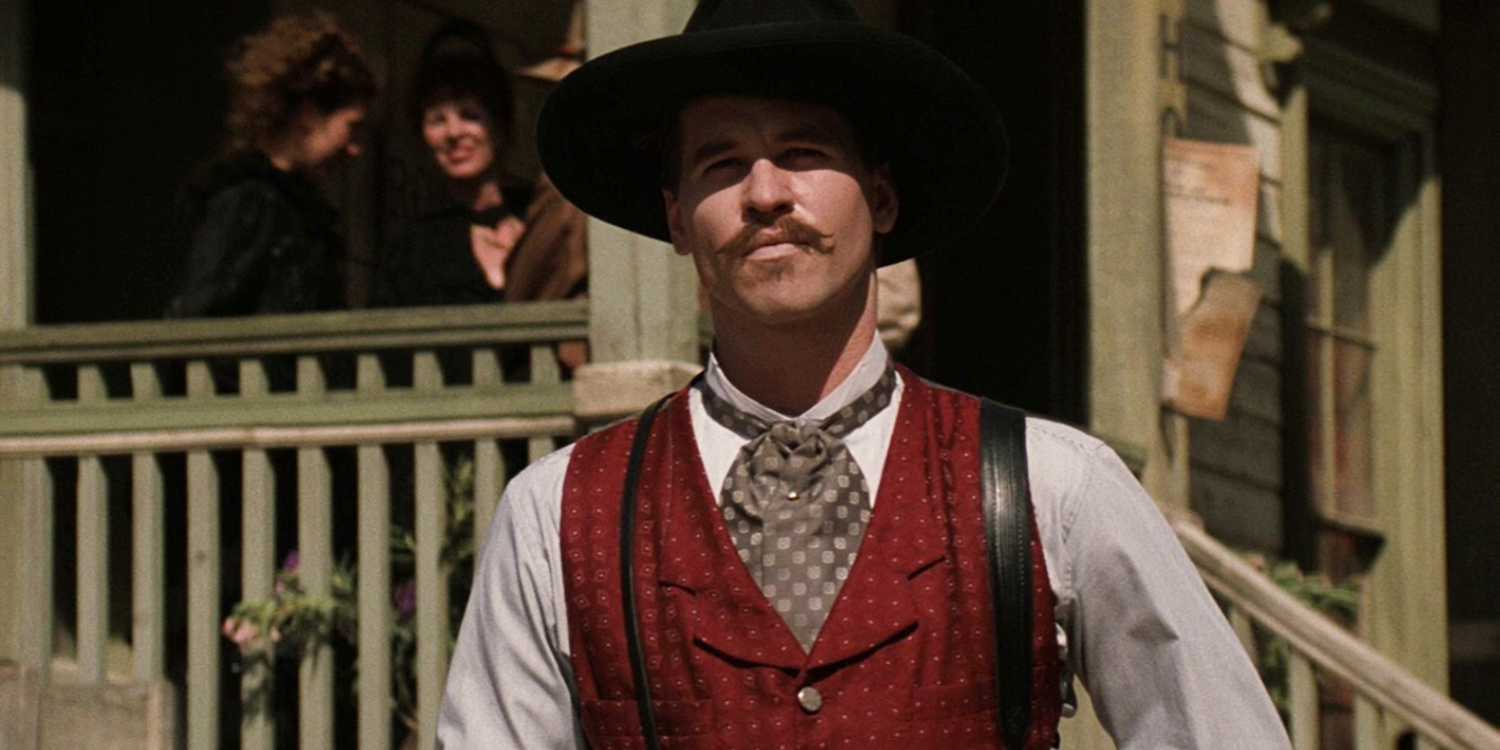
Despite its difficult production, Tombstone ultimately emerged as one of the standout Westerns of the 1990s. It earned approximately $56.5 million at the domestic box office and outperformed Costner’s Wyatt Earp, which arrived six months later and grossed around $25 million domestically.
The film’s lasting appeal comes from more than its famous gunfight at the O.K. Corral or its recreation of a pivotal chapter in the history of the American West. Its combination of memorable characters, strong performances and carefully constructed tension has helped it remain relevant long after its original release.
Now, 33 years after its debut, Tombstone is attracting renewed attention through streaming rentals, giving another generation of viewers the chance to discover its story.
What began as a production plagued by uncertainty ultimately became a testament to the determination of the people who refused to abandon it. Much like Wyatt Earp himself, the film fought its way through adversity — and secured its place among the Western genre’s enduring favourites.