Tom Hardy’s 142-Minute Adaptation Of Wuthering Heights Remains A Standout Period Drama
Few actors can make a character as magnetic, unsettling and emotionally complex as Tom Hardy’s Heathcliff. In the 2009 two-part adaptation of Emily Brontë’s Wuthering Heights, Hardy delivers a performance that captures the character’s tenderness, bitterness and capacity for cruelty, bringing fresh intensity to one of English literature’s most troubled figures.
Starring alongside Charlotte Riley as Cathy Earnshaw, Hardy anchors a dark, atmospheric production that refuses to reduce Brontë’s novel to a conventional romance. With its bleak Yorkshire landscapes, layered characters and unflinching portrayal of obsession and revenge, this 142-minute miniseries remains a particularly compelling screen interpretation of the classic novel.
A Faithful Adaptation That Preserves The Novel’s Darker Themes
First published in 1847, Wuthering Heights has inspired countless adaptations, but its story is far more complicated than a tragic romance. Emily Brontë explores the destructive effects of class divisions, childhood trauma, family abuse, grief, jealousy and revenge through two generations of characters.
The 2009 adaptation, written by Peter Bowker, makes room for much of that complexity. Rather than focusing solely on Heathcliff and Cathy’s relationship, the screenplay retains important developments from the novel, including the next generation of the Earnshaw and Linton families. That broader perspective is essential to the story’s exploration of how cruelty and resentment pass from one generation to another.
Bowker also uses a flashback structure, giving the two episodes a carefully balanced narrative instead of allowing the second half of the story to feel like an afterthought.
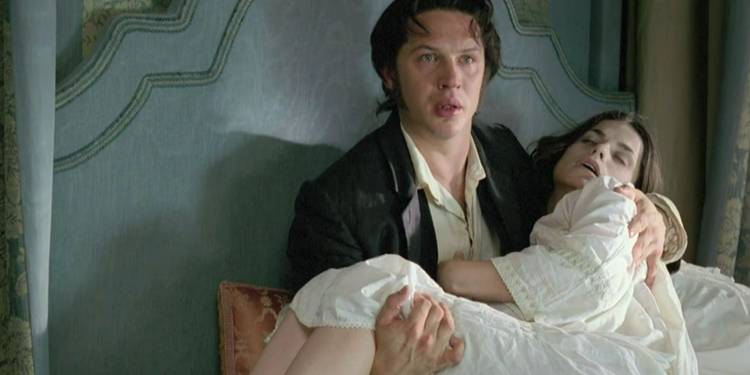
Director Coky Giedroyc creates an atmosphere that feels suitably Gothic without relying on extravagant production values. The Yorkshire Moors are presented as both beautiful and unforgiving: windswept and open during the day, then bleak and threatening beneath the rain and darkness. The landscape becomes an essential part of the drama, reflecting the emotional turmoil unfolding within the characters.
Another important dimension of Brontë’s novel is Heathcliff’s racial identity. The book describes him as dark-skinned and leaves aspects of his background ambiguous, a detail many screen adaptations have struggled to address. Hardy’s portrayal does not resolve the wider history of casting choices, but the character’s outsider status and experience of rejection remain central to this version’s interpretation.
Tom Hardy And Charlotte Riley Bring Heathcliff And Cathy To Life
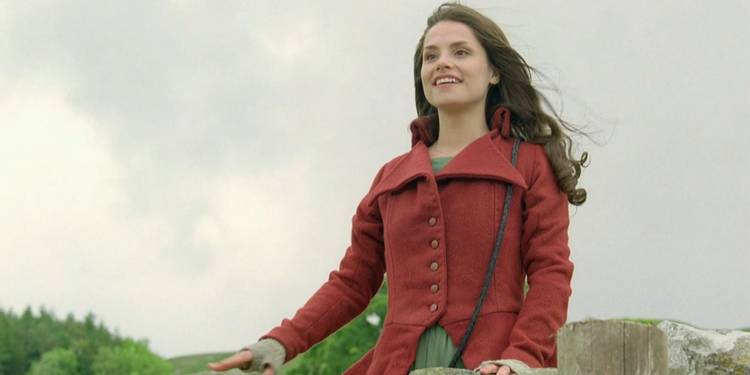
Heathcliff is a demanding role, built around contradictions that make him difficult to understand and impossible to dismiss. Hardy captures the character’s loneliness, intelligence and wounded pride, while allowing his bitterness and capacity for violence to emerge with frightening intensity.
At times, Heathcliff appears withdrawn, haunted by years of rejection and emotional pain. In other moments, his physical presence and simmering anger make him an intimidating force. Hardy moves convincingly between those extremes, portraying a man whose longing for affection gradually becomes inseparable from his desire for revenge.
Charlotte Riley is equally compelling as Cathy Earnshaw. Rather than presenting her as a passive romantic heroine, Riley gives Cathy a fiercely independent and often selfish personality. She is passionate, unpredictable and deeply conflicted, torn between her feelings for Heathcliff and the social expectations that draw her towards a more secure life with Edgar Linton.
Cathy’s struggle between personal freedom and financial comfort gives the character much of her emotional complexity. Riley conveys both her fierce attachment to Heathcliff and the destructive consequences of the choices she makes.
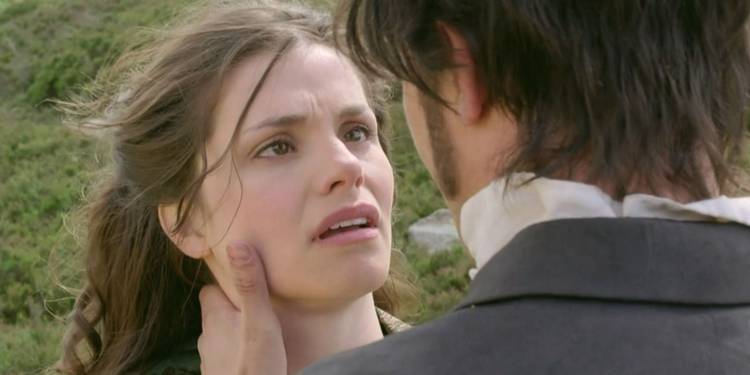
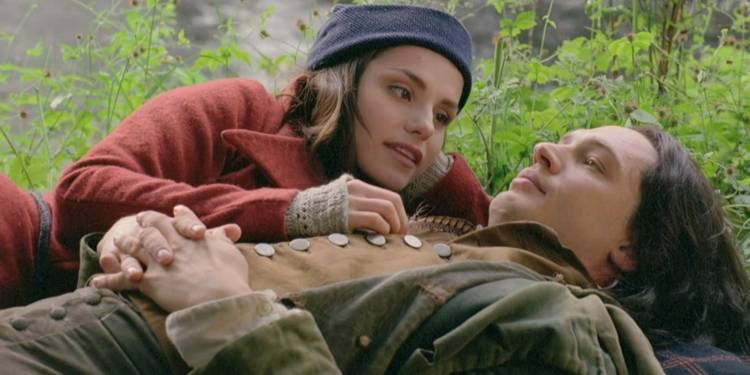
The chemistry between Hardy and Riley gives their scenes an especially intense quality. Their relationship moves from the closeness of two young outsiders who find refuge in one another to an increasingly toxic attachment marked by jealousy, cruelty and mutual suffering.
Their connection also continued beyond the screen: the actors married five years after filming the adaptation.
Heathcliff and Cathy are hardly an ideal couple or a model of romantic devotion. Their bond is obsessive, damaging and ultimately destructive. Yet that is precisely what makes their story so enduring: they recognise something of themselves in each other, but cannot escape the forces that turn their longing into misery.
Featuring strong performances from Hardy and Riley, alongside Andrew Lincoln, Sarah Lancashire, Burn Gorman and Rosalind Halstead, this two-part adaptation captures much of the darkness and emotional complexity that have kept Brontë’s novel alive for generations.