“Shakespeare in the Mud”: Why Patrick Stewart Considers HBO’s ‘Deadwood’ the Greatest Series of All Time
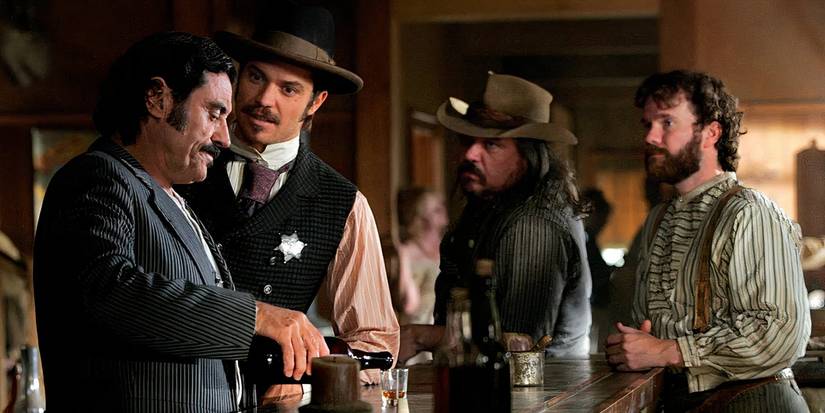
While Sir Patrick Stewart is universally venerated for his defining roles across science fiction and comic book mythologies—from Starfleet’s Captain Jean-Luc Picard to Professor Charles Xavier—his definitive choice for television’s crowning masterpiece sits firmly in the lawless dirt of the Black Hills: David Milch’s short-lived, seminal HBO western Deadwood.
During a retrospective interview with BAFTA Guru, Stewart conceded that his selection might catch viewers off guard. Yet for an actor whose foundation was forged at the Royal Shakespeare Company, his reverence for Deadwood is an instinctive endorsement of one of the few television productions to treat dialogue as high Elizabethan poetry.
The Shakespearean Frontier: Why Stewart Revering Milch Makes Sense
David Milch did not write Deadwood as a straightforward pulp western of quick-draw duels and saloon shootouts. Instead, he structured the series as an epic study of civilization coalescing out of raw chaos, utilizing a radical linguistic synthesis: Victorian cadence, iambic rhythms, and profane vernacular.
-
The Classical Cadence: Milch’s monologues operate in blank verse. Characters speak with rhythmic inversions and formal rhetoric, juxtaposed against relentless, gutter-level obscenity. For a classical stage performer like Stewart, Deadwood represented television operating at the level of Christopher Marlowe or William Shakespeare.
-
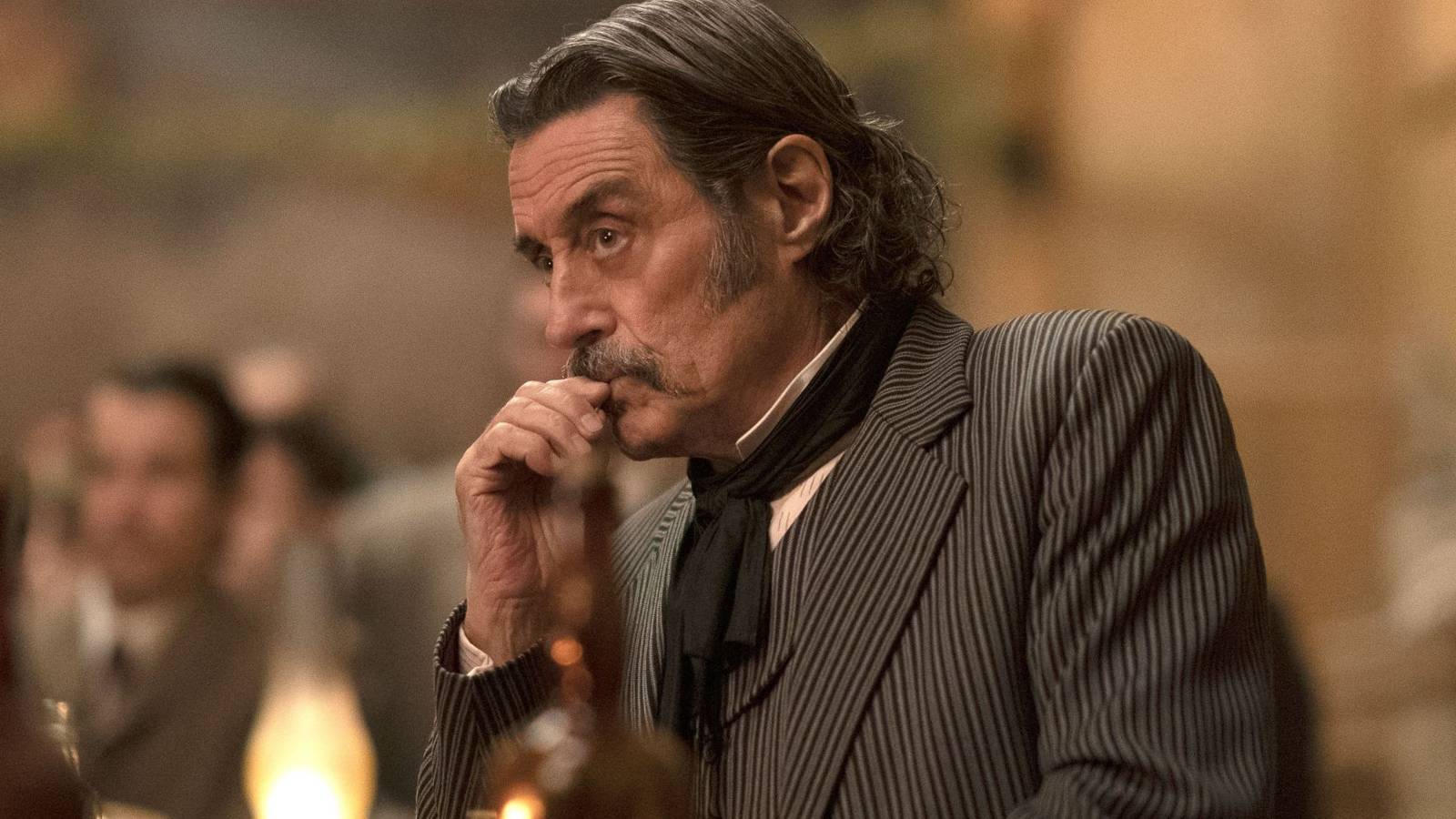
The Antihero as King Lear / Richard III: Ian McShane’s career-defining portrayal of brothel and saloon proprietor Al Swearengen functions as a Machiavellian monarch presiding over his balcony throne room. Swearengen’s soliloquies delivered during intimate, grotesque acts mirror the theatrical soliloquies of classical tragedy.
-
Moral Realism Over Archetype: Heroes like Sheriff Seth Bullock (Timothy Olyphant) are crippled by violent, self-righteous rage, while villains like Swearengen become the pragmatic architects of communal survival against predatory robber barons like George Hearst (Gerald McRaney).
The Anatomy of an Abrupt Demise (2004–2006)
Despite earning 28 Emmy nominations (winning eight) and maintaining a 92% Rotten Tomatoes critical score, Deadwood was halted after just three 12-episode seasons:
| Contributing Factor | Impact on Cancellation |
| Spiraling Production Costs | The series was one of the costliest productions in television at the time, requiring a sprawling, historically accurate town backlot, period livestock, and an enormous ensemble cast. |
| Milch’s Divided Focus | Milch was concurrently developing the surf-noir drama John from Cincinnati, prompting corporate friction over resource allocation and scheduling. |
| Refusal to Compress | HBO proposed continuing the story via a truncated, six-episode fourth season. Milch balked at compressing the sprawling community arcs into a half-season order, walking away rather than compromising narrative scope. |
| The Unfulfilled Promise | HBO initially floated two two-hour television movies to tie off loose threads, but option contracts on the sprawling cast lapsed in 2006, stranding the show on a bitter, unresolved cliffhanger for over a decade. |
The 13-Year Swan Song: Deadwood: The Movie (2019)
When Stewart named Deadwood as his personal peak of television in December 2017, the show remained an unfinished open wound. Two years later, HBO finally delivered closure with Deadwood: The Movie:
-
The 1889 Milestone: Jumping forward a decade to South Dakota’s entry into statehood, the film reunited nearly the entire original cast.
-
The Final Reckoning: The telefilm pitted an aging, ailing Swearengen and Marshal Bullock against now-Senator George Hearst in a battle over Deadwood’s sovereign soul.
-
Critical Vindication: The film earned an Emmy nomination for Outstanding Television Movie, proving that Milch’s singular linguistic voice had lost none of its bite across a 13-year hiatus.
For Stewart, Deadwood did not need the 2019 epilogue to cement its supremacy. Its initial 36-episode run had already redefined television writing, proving that an American frontier mining camp could rival the Globe Theatre in dramatic weight, moral complexity, and linguistic audacity.