Occult Dread and 1960s Paranoia: Inside BBC’s Dark Agatha Christie Adaptation The Pale Horse

Departing from the cozy, methodical whodunits traditionally associated with the Queen of Crime, BBC One’s two-part miniseries The Pale Horse presents an atmospheric psychological thriller steeped in witchcraft, psychological unraveling, and mid-century paranoia.
Adapted by Sarah Phelps—known for her revisions of Christie’s classics including And Then There Were None and The ABC Murders—the 2020 production re-examines Christie’s 1961 novel through a lens of supernatural dread and moral decay.
The Mystery: A List in a Dead Woman’s Shoe

The narrative kicks off with a chilling premise that pulls its protagonist into an inescapable spiral of suspicion:
-
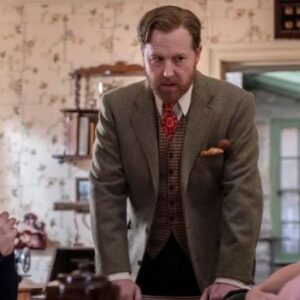
The Death List: Wealthy London antique dealer Mark Easterbrook (Rufus Sewell) is thrown into turmoil after a woman is found dead in the street with a list of names hidden inside her shoe—and his name is on it.
-
A Mounting Body Count: As other individuals named on the list begin dying under bizarre, seemingly natural or accidental circumstances, Easterbrook becomes convinced he is marked for death.
-
The Witches of Much Deeping: His desperate investigation leads him to the village of Much Deeping and a trio of eccentric women residing at a local inn named The Pale Horse, who are rumored to possess the occult ability to eliminate targets via dark magic without leaving physical evidence.
The Setting: Claustrophobia in 1960s Much Deeping

Moving Christie’s original setting firmly into the swinging, stylish, yet deeply uneasy 1960s, the village of Much Deeping acts as a pressure cooker:
-
Superficial Idyllics: Beneath the polished mid-century aesthetics, tailored suits, and village festivities lies a stifling community where gossip spreads rapidly and every resident appears to harbor dark secrets.
-
Superstition vs. Rationality: Rather than a simple police procedural, the narrative constantly blurs the boundary between logical crime and supernatural intervention, mirroring Easterbrook’s descent into paranoia and delusion.
Principal Cast & Key Performances

The adaptation’s tension is carried by a seasoned British ensemble:
| Actor | Character | Role in Narrative |
| Rufus Sewell | Mark Easterbrook | A grief-stricken, arrogant man haunted by the death of his first wife while trying to escape the list’s curse. |
| Kaya Scodelario | Hermia Easterbrook | Mark’s second wife, whose stylish detachment and quiet intensity keep the audience guessing about her true loyalties. |
| Sean Pertwee | Zachariah Osborne | A suspicious, neurotic fellow listee who feeds Easterbrook’s mounting conspiracy theories. |
| Bertie Carvel | Zachariah Osborne / Det. Lejeune | Police presence attempting to anchor the investigation in legal reality. |
| Rita Tushingham, Sheila Atim, Kathy Kiera Clarke | The Pale Horse “Witches” | Bella, Thyrza, and Sybil—the enigmatic trio operating at the center of the alleged hexes. |
Narrative Structure: Deliberate Build to a Twisted Climax

Viewers and critics noted a distinct divergence between the two installments:
-
Episode 1 (The Setup): Takes a measured, deliberate pace to establish mood, period texture, and Easterbrook’s fragile mental state following his wife’s passing.
-
Episode 2 (The Reckoning): Accelerates into frantic psychological territory, systematically stripping away Easterbrook’s composure through a series of reveals that subvert audience expectations regarding the murders and their true perpetrators.
Essential Context for Agatha Christie Purists
While bearing the title of Christie’s 1961 novel, this screen version takes substantial creative liberties:
-
A Radical Departure: In the original book, Easterbrook is a rational, affable historian assisting the police, and the mechanics of the murders revolve around a grounded criminal plot utilizing thallium poisoning.
-
Psychological Deconstruction: Phelps’ screen adaptation reshapes Easterbrook into an unlikable, unreliable narrator whose own guilt and paranoia take center stage.
-
The Verdict: While purists seeking a literal page-to-screen recreation may find the departures jarring, viewers looking for a moody, stylish, and sinister mid-century neo-noir will find plenty to appreciate in its dark tone and haunting cinematography.