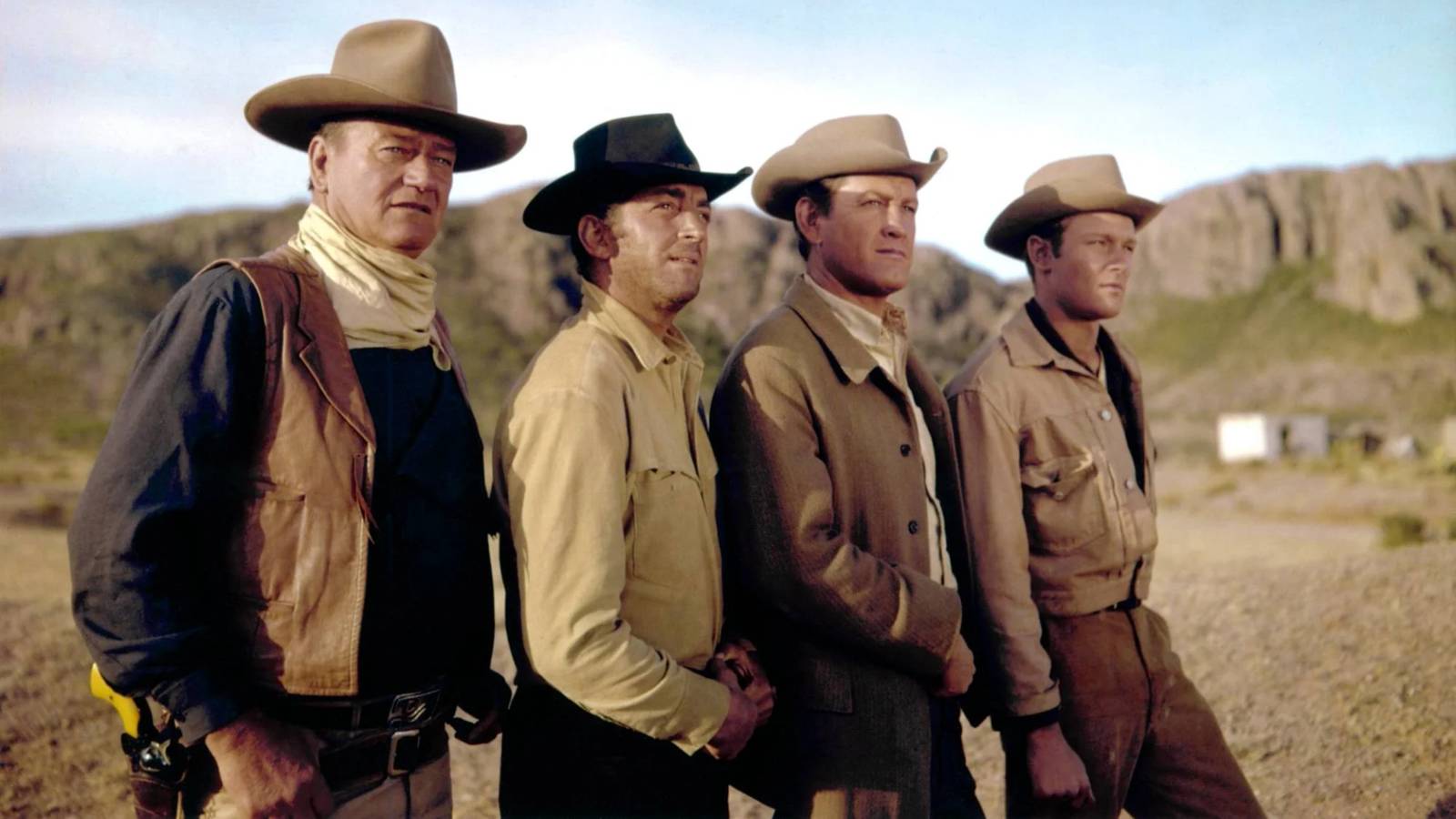
John Wayne’s Classic Western The Sons Of Katie Elder Delivers Something Even Clint Eastwood’s Oscar-Winning Unforgiven Cannot — A Powerful Tale Of Four Brothers, Family Loyalty And Ruthless Revenge
Clint Eastwood’s Unforgiven is widely regarded as one of the greatest Western films ever made, but a classic John Wayne movie offers a very different approach to revenge that remains just as compelling more than six decades after its release.
Released in 1965, The Sons of Katie Elder stars Wayne alongside Dean Martin, Earl Holliman and Michael Anderson Jr. as four brothers reunited by their mother’s death.
Directed by Henry Hathaway, the film combines family loyalty, corruption and frontier justice in a traditional Western adventure that delivers something Unforgiven deliberately avoids: the satisfaction of a straightforward revenge story.
What Is John Wayne’s The Sons Of Katie Elder About?
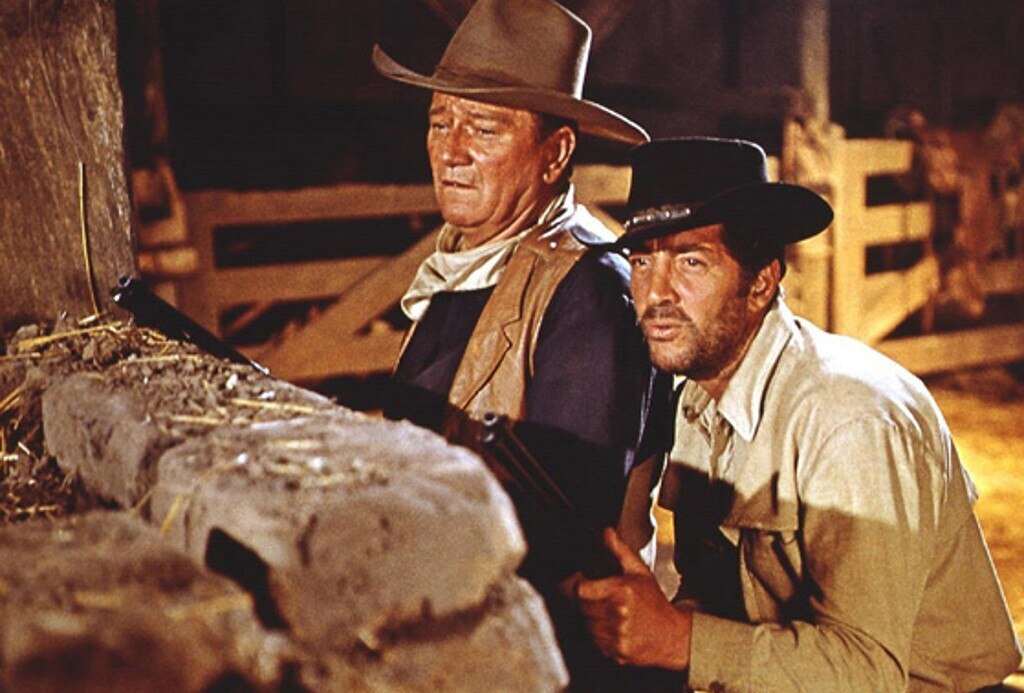
The film follows the four Elder brothers as they return to their hometown to attend their mother’s funeral.
Their homecoming soon becomes more complicated when they discover troubling circumstances surrounding their father’s death and the loss of the family ranch.
Determined to uncover the truth, the brothers confront a powerful local businessman played by James Gregory, whose involvement in their family’s misfortunes places him at the center of their suspicions.
Wayne plays John Elder, the serious and commanding eldest brother, while Dean Martin portrays Tom Elder, a witty gambler whose personality provides a lively contrast.
Earl Holliman and Michael Anderson Jr. complete the quartet, creating a family dynamic that gives the film much of its emotional appeal.
As the brothers investigate what happened to their parents and property, their search for answers develops into a dangerous confrontation.
Why The Sons Of Katie Elder Remains A Classic Western
One of the film’s greatest strengths is the chemistry between its four leading actors.
Wayne’s restrained performance provides a steady center, while Martin introduces humour and unpredictability without undermining the story’s dramatic stakes.
Director Henry Hathaway balances energetic action sequences with quieter scenes exploring the brothers’ complicated family history.
Rather than attempting to reinvent the Western genre, the film embraces its familiar traditions.
Its heroes have recognizable motivations, its villains represent clear threats, and the central conflict builds toward a confrontation rooted in family loyalty and justice.
That straightforward storytelling gives The Sons of Katie Elder an enduring appeal among viewers who appreciate traditional Western adventures.
How John Wayne’s Revenge Western Differs From Unforgiven

The most significant distinction between the two films lies in their treatment of violence.
In The Sons of Katie Elder, revenge is presented through the familiar Western tradition of honorable men confronting wrongdoing when established authorities fail to deliver justice.
The brothers’ determination to restore their family’s dignity gives their actions a clear emotional purpose.
Clint Eastwood’s 1992 masterpiece Unforgiven, however, approaches the same theme from an almost opposite perspective.
Rather than celebrating violent retaliation, Eastwood’s film examines the psychological burden of killing and challenges the idea that revenge automatically makes someone righteous.
Violence carries consequences for those who commit it, regardless of their justifications.
Where Wayne’s film offers the emotional satisfaction of heroes standing against corruption, Eastwood’s questions whether violent justice can ever be truly heroic.
Two Western Masterpieces With Opposite Messages
Although both films explore revenge, their contrasting approaches reflect different traditions within Western cinema.
The Sons of Katie Elder represents the classic era, when stories of loyalty, courage and personal justice frequently placed clear distinctions between heroes and villains at the center of the action.
Unforgiven belongs to a later tradition that challenges those familiar conventions, presenting a darker and more morally complicated understanding of the American West.
Neither approach necessarily diminishes the other.
Eastwood’s film earned Academy Award recognition for its powerful examination of violence, while Wayne’s earlier Western remains a highly entertaining example of the traditional revenge narrative.
For viewers who appreciate the moral complexity of Unforgiven but miss the straightforward excitement of classic Western justice, The Sons of Katie Elder offers a compelling reminder of John Wayne’s enduring screen presence — and the timeless appeal of four brothers determined to defend their family’s legacy.