Forget Band of Brothers — HBO’s Gritty 7-Episode War Masterpiece Is One of the Most Realistic Military Dramas Ever Made
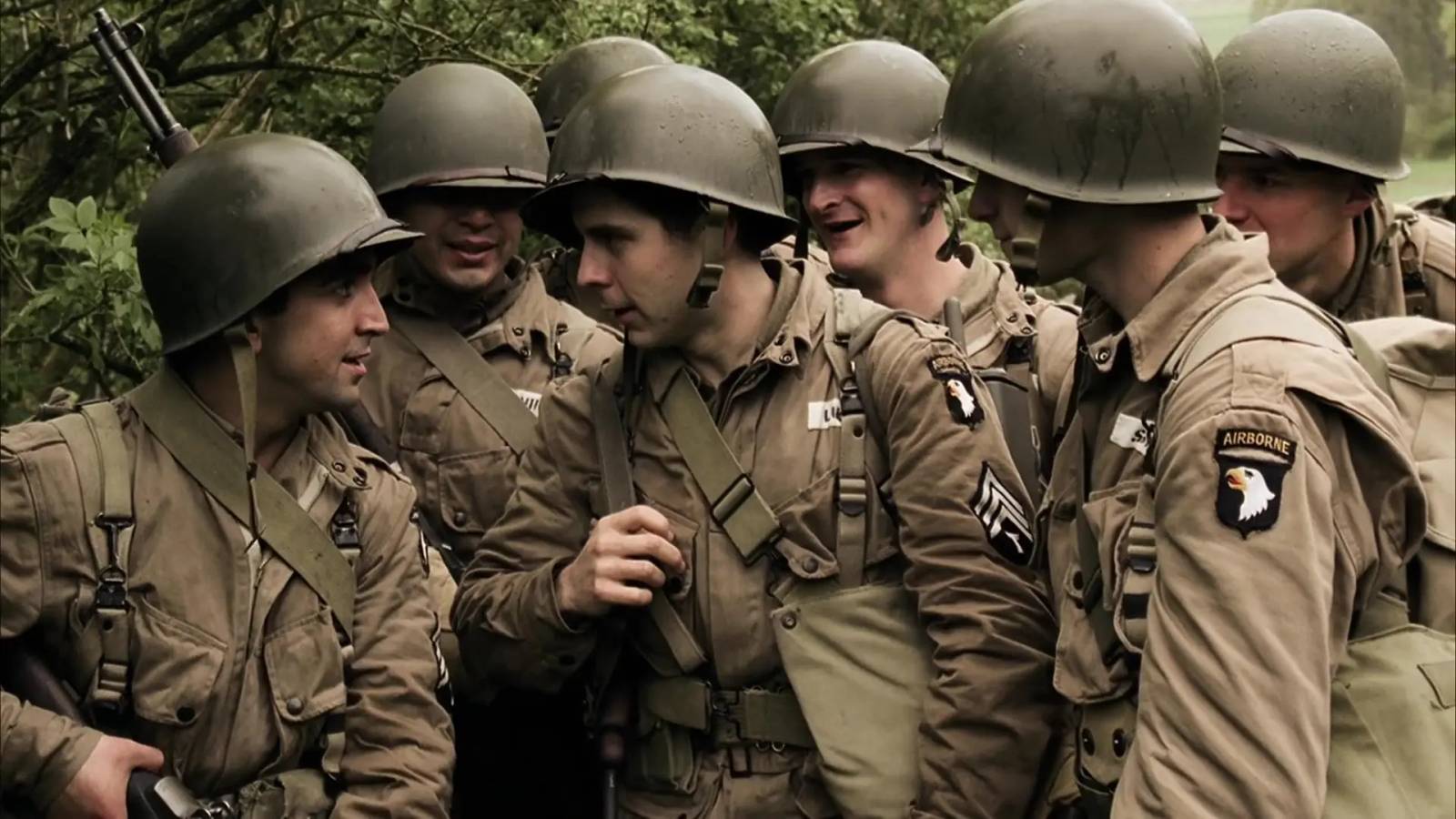
Band of Brothers may be considered the gold standard of television war dramas, but HBO produced another extraordinary military miniseries that deserves just as much attention. Created by the writer behind The Wire, this seven-episode Iraq War drama strips away Hollywood heroics to reveal the confusion, dark humor and devastating reality of modern combat. And nearly two decades later, its unflinching portrayal of American Marines remains remarkably powerful.
When discussing the greatest war dramas ever made, two titles inevitably dominate the conversation: Steven Spielberg’s Saving Private Ryan and HBO’s acclaimed miniseries Band of Brothers.
Both productions transformed the way audiences experienced World War II on screen, combining large-scale battle sequences with intimate portrayals of soldiers facing extraordinary circumstances.
But another HBO production deserves a place alongside them.
Released in 2008, Generation Kill offers a very different perspective on military life.
Rather than revisiting the battlefields of Europe during the 1940s, the seven-part series takes viewers into the opening weeks of the 2003 invasion of Iraq.
Its portrayal of warfare is raw, unsettling and frequently uncomfortable.
And what makes the series particularly compelling is its refusal to turn every moment into a conventional story of military heroism.
A War Drama Based on a Journalist’s Firsthand Experience
One of the most important differences between Generation Kill and traditional military dramas is its source material.
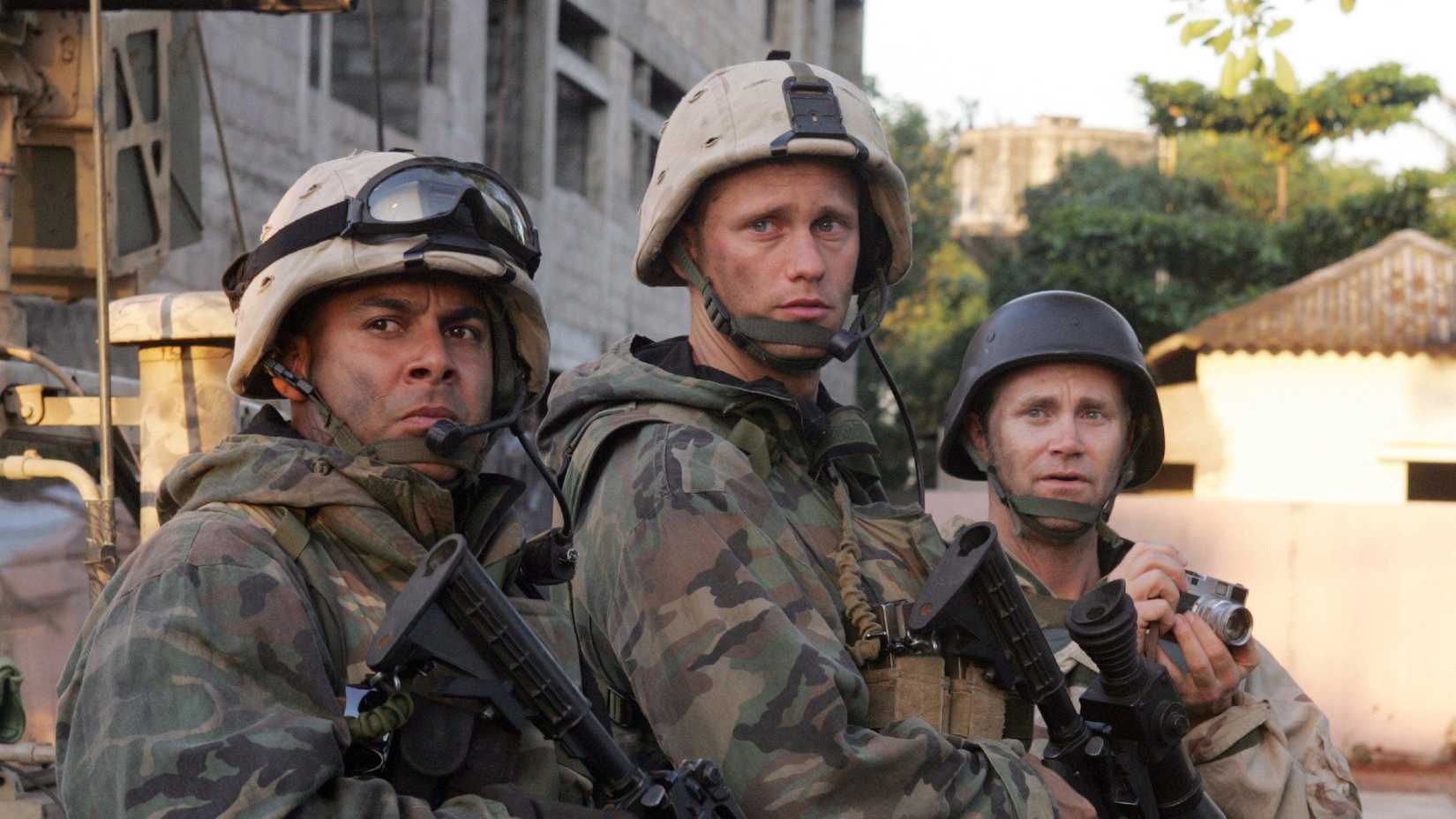
The series is adapted from the nonfiction account of Evan Wright, a Rolling Stone journalist who accompanied American Marines during the early stages of the Iraq War.
Wright was embedded with the United States Marine Corps’ 1st Reconnaissance Battalion, observing the soldiers as they moved through an unfamiliar and increasingly dangerous environment.
His experiences became the foundation for the HBO adaptation.
In the series, Wright is portrayed by Lee Tergesen, while Alexander Skarsgård plays one of the Marines at the center of the story.
Rather than presenting events through the perspective of a fictional hero, the drama follows the soldiers through the eyes of an outsider attempting to understand their experiences.
That approach gives the series an almost documentary-like quality.
Viewers witness the everyday frustrations, uncomfortable conversations and difficult decisions that unfold between moments of danger.
And the result feels markedly different from the polished storytelling often associated with Hollywood war films.
The Wire Creator Brings His Uncompromising Style to Warfare
Another major reason Generation Kill stands apart is the involvement of David Simon, the acclaimed writer and creator associated with HBO’s The Wire.
Simon built his reputation on examining complicated institutions, flawed authority figures and the people caught within systems they cannot easily control.
Those themes translate naturally into Generation Kill.
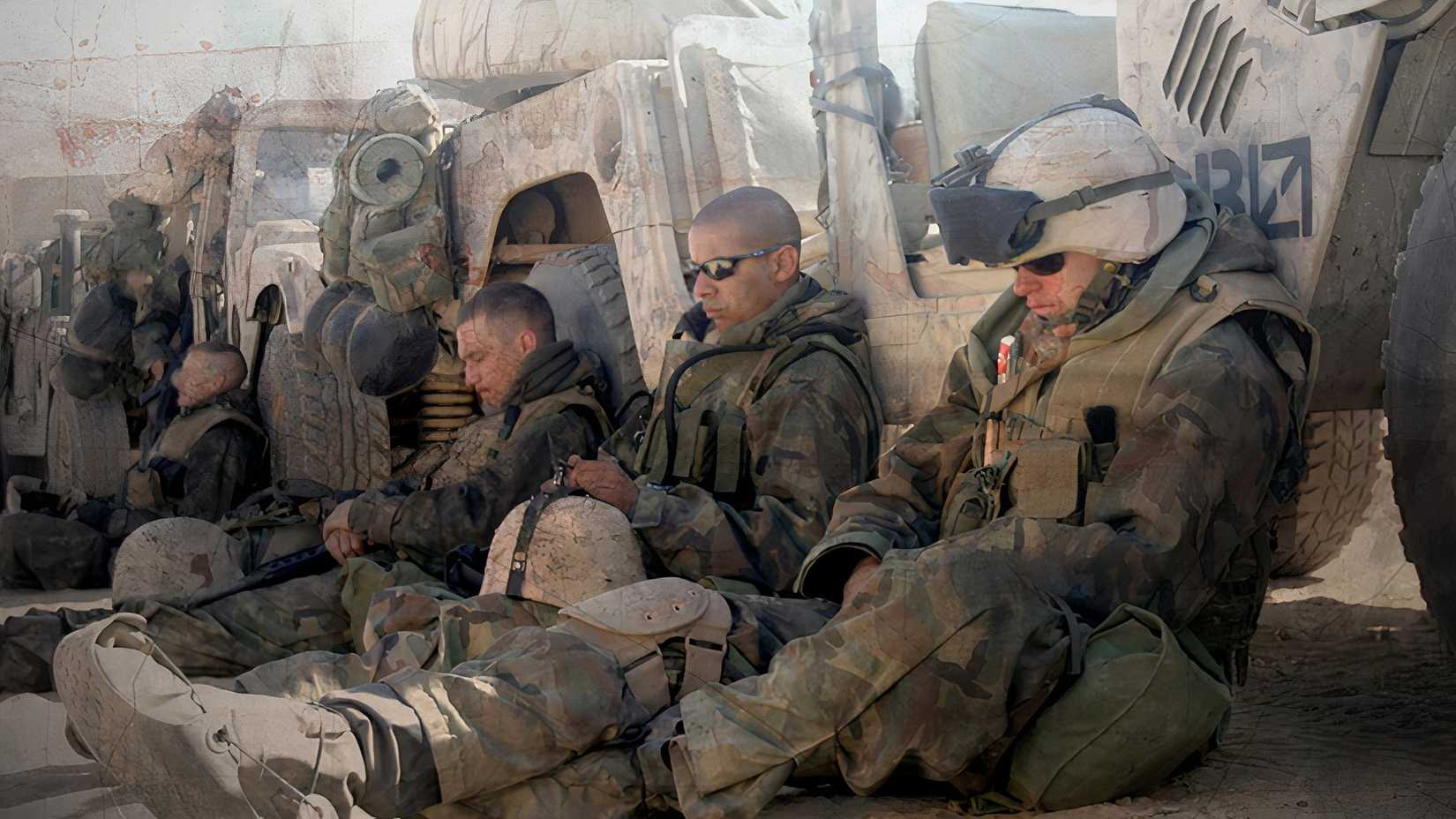
The Marines are shown navigating military hierarchies, conflicting instructions and the unpredictable realities of combat.
They are frequently frustrated by the decisions of their superiors.
They question aspects of their mission.
And they use humor, sarcasm and camaraderie to cope with circumstances that are often beyond their control.
The series doesn’t attempt to provide a simple answer to every moral question surrounding the Iraq War.
Instead, it allows viewers to observe the experiences of young service members who must carry out their orders while struggling to understand the wider conflict.
Why Generation Kill Feels Different From Band of Brothers

Although both productions follow American military units through dangerous campaigns, their historical settings create very different emotional experiences.
Band of Brothers follows Easy Company during World War II, a conflict commonly remembered through the Allied struggle against Nazi Germany.
Its soldiers face immense hardship, but the broader purpose of their mission is clear within the series’ historical framing.
Generation Kill, by contrast, depicts a conflict surrounded by political controversy and uncertainty.
Its characters are fighting in Iraq following the September 11 attacks, yet many express confusion or skepticism about the relationship between their mission and the reasons given for the war.
That uncertainty becomes an essential part of the drama.
The Marines are not portrayed as lacking courage or commitment.
They remain loyal to one another and continue carrying out their responsibilities under dangerous conditions.
But their conversations reveal frustration, doubt and occasional disillusionment.
This contrast gives Generation Kill a distinctive emotional intensity.
It is not simply about surviving combat.
It is also about trying to make sense of the experience while living through it.
Modern Warfare Is Portrayed With Uncomfortable Realism
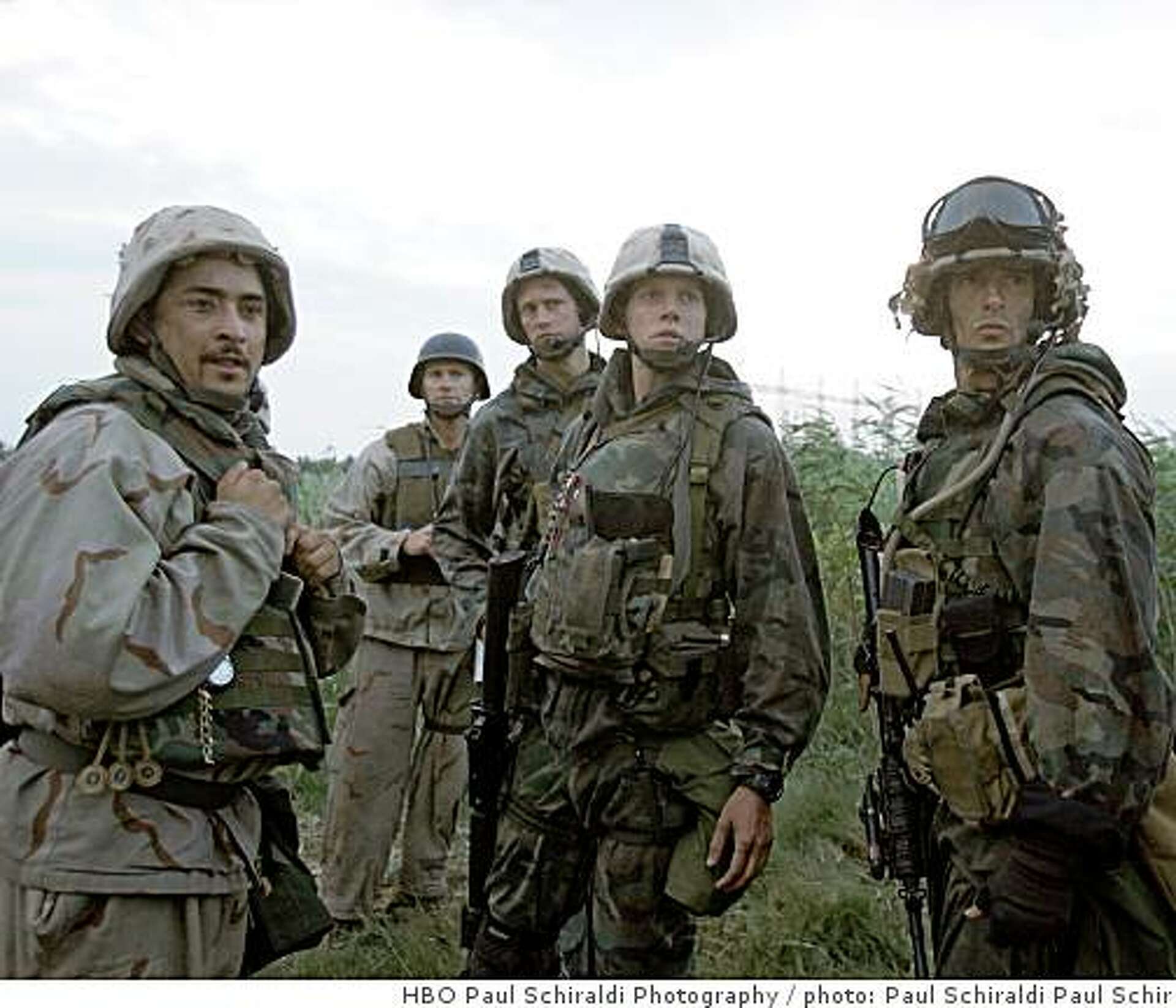
Another striking feature of Generation Kill is its depiction of early 21st-century military technology.
Where Band of Brothers features the equipment and vehicles of World War II, this series immerses viewers in a battlefield shaped by Humvees, night-vision equipment, advanced communications and modern targeting systems.
But technological progress doesn’t eliminate uncertainty.
The Marines still confront confusion, unreliable information and the constant possibility of danger.
The series places considerable emphasis on the exhausting routine of military operations.
Long periods of travel and waiting can give way to moments of sudden tension.
Orders are not always understood.
And even relatively ordinary situations can become dangerous when communication breaks down.
Rather than relying exclusively on spectacular battle sequences, Generation Kill builds suspense from the unpredictable nature of the soldiers’ surroundings.
Its realism comes as much from these smaller details as from its action scenes.
An HBO Epic Made for Less Than Half the Budget
Despite its impressive production values, Generation Kill was reportedly produced for substantially less money than Band of Brothers.
The 2001 World War II miniseries had a budget of approximately $125 million.
By comparison, Generation Kill was made for around $56 million.
That difference makes the later production’s achievements particularly noteworthy.
Rather than attempting to match the enormous scale of World War II combat, the Iraq War drama concentrates on the experiences of a smaller group of soldiers.
Its sense of authenticity comes from the environment, performances, dialogue and carefully constructed atmosphere.
The action remains intense, but the series rarely feels as though it is staging spectacle purely for entertainment.
Instead, viewers are placed alongside the Marines as they encounter the uncertainty of their mission.
For audiences who prefer grounded military storytelling, that approach may be even more effective than the sweeping cinematic style of a traditional war epic.
The Soundtrack Captures an Entire Generation
One of Generation Kill‘s most distinctive creative choices involves its music.
Rather than filling the series with a conventional dramatic score, the production frequently features the Marines singing popular songs themselves.
The selections range across contemporary rock, hip-hop and pop, with references to artists including Avril Lavigne, Drowning Pool, Wheatus, N.W.A., Tupac, OutKast and Nelly.
These informal performances provide moments of humor and familiarity amid the surrounding tension.
They also help establish the ages and cultural backgrounds of the soldiers.
The men may be operating in a war zone, but their conversations and musical tastes reflect the same popular culture enjoyed by young Americans back home.
That contrast makes their experiences feel especially immediate.
The show’s technical achievements also received significant recognition.
Generation Kill won three Primetime Emmy Awards, including honors for sound editing, sound mixing and special visual effects.
Those awards reflect the attention given to creating a convincing military environment.
Seven Episodes That Deserve More Recognition
While Band of Brothers remains one of HBO’s most celebrated productions, Generation Kill offers an equally compelling reason to revisit the network’s military drama catalog.
Its seven episodes deliver an immersive account of a modern conflict without relying on easy sentimentality or uncomplicated heroes.
The performances capture the relationships between young Marines who depend on one another while confronting circumstances they cannot fully control.
The writing explores the tension between personal responsibility and institutional authority.
And the firsthand journalistic foundation gives the story a sense of immediacy that distinguishes it from many fictional war dramas.
It is not necessarily a replacement for Band of Brothers.
The two series approach different conflicts with different storytelling priorities.
But for viewers interested in the realities of modern military life, Generation Kill provides something particularly valuable: a war drama willing to sit with confusion, uncertainty and uncomfortable truths.
One of HBO’s Most Powerful Military Dramas
Nearly two decades after its 2008 debut, Generation Kill remains a striking example of how television can portray warfare without reducing it to a familiar collection of heroic moments.
Its combination of realistic performances, sharp writing and firsthand source material creates a story that feels intensely personal.
And its seven-episode length makes it an accessible choice for anyone searching for a substantial military drama that can be watched over a few evenings.
Saving Private Ryan brought audiences into the chaos of World War II, while Band of Brothers followed the extraordinary experiences of Easy Company. Generation Kill takes viewers into a different kind of war — one defined by modern technology, uncertain objectives and young Marines trying to understand the world around them. For those who believe Band of Brothers set the ultimate standard for military television, HBO’s overlooked 2008 masterpiece offers a compelling challenge.