Long Before Taylor Sheridan’s 1883 And 1923, Steven Spielberg Produced An Extraordinary 12-Hour Western Epic That Chronicled 65 Years Of American History Through Two Families, Featuring A Star-Studded Cast And An Ambitious Exploration Of The American Frontier
Taylor Sheridan has become one of the most influential figures in modern Western television, earning widespread acclaim with Yellowstone, 1883 and 1923. However, nearly two decades before his Western universe took shape, Steven Spielberg demonstrated just how ambitious the genre could become on the small screen.
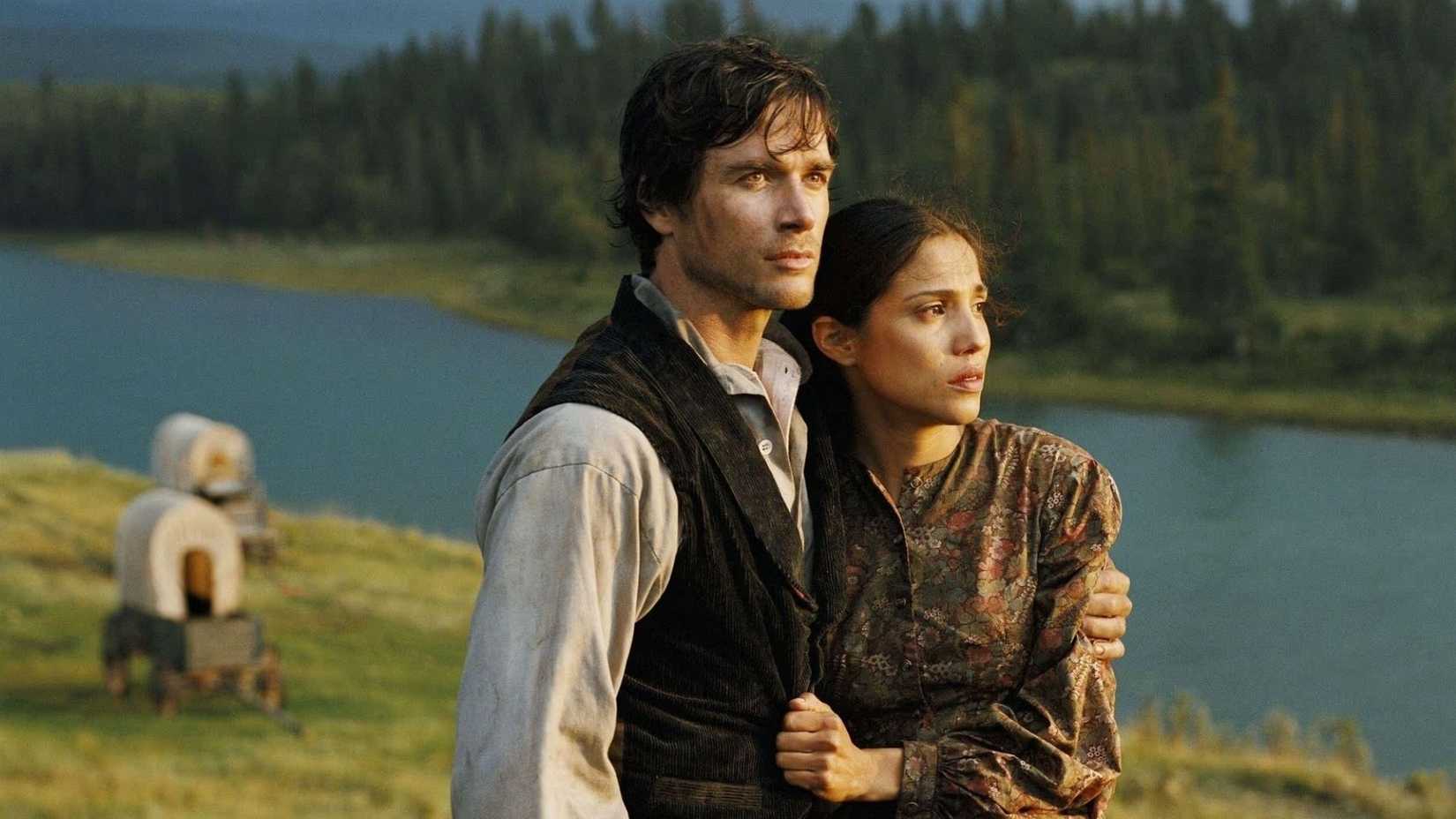
Released in 2005, Into the West is a sweeping historical miniseries produced by DreamWorks with Spielberg serving as an executive producer. Spanning 65 years of American history, the production features more than 250 speaking roles, combining fictional family stories with significant historical events and figures.
Despite receiving considerable praise, the series remains an overlooked Western epic that deserves rediscovery.
Two Families Offer Contrasting Perspectives On The American Frontier
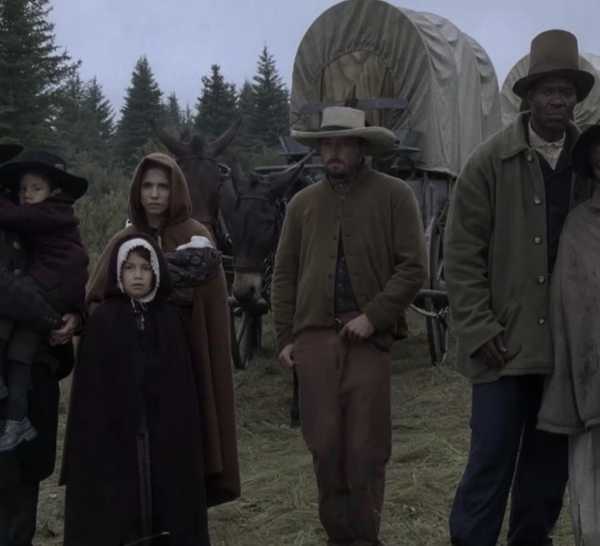
Set between 1825 and 1890, Into the West follows successive generations of two families: one of white American settlers and another belonging to the Lakota people of the Great Plains.
This dual narrative distinguishes the production from conventional Westerns that primarily examine frontier expansion through the experiences of settlers.
By giving substantial attention to Indigenous perspectives, the series explores the devastating consequences of westward expansion alongside the ambitions of those seeking new opportunities.
Major historical events, including the California Gold Rush, the American Civil War and the Wounded Knee Massacre, provide the backdrop to deeply personal stories of survival, loss and cultural upheaval.
The production’s commitment to authenticity extends to its use of Indigenous languages, historically informed costumes and detailed period settings.
Spielberg Brings Cinematic Ambition To The Small Screen
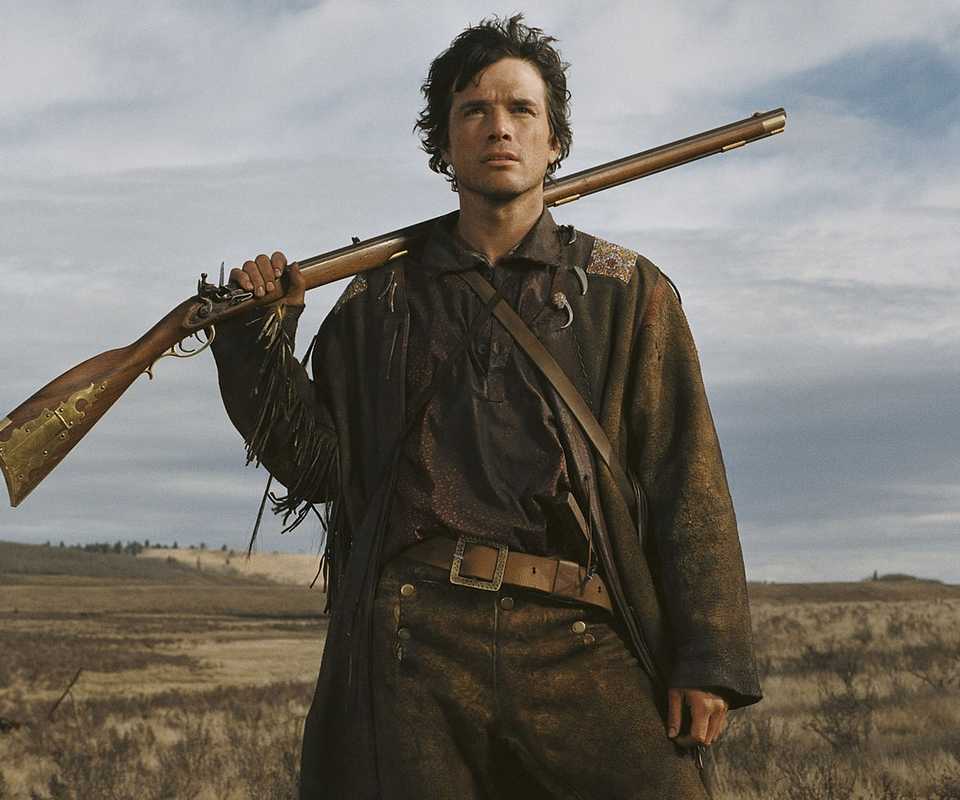
DreamWorks’ substantial production budget allowed the filmmakers to capture expansive frontier landscapes and recreate pivotal moments in nineteenth-century American history.
The cinematography remains impressive more than two decades later, while the twelve-hour running time gives the story room to explore the complicated relationships between its characters across multiple generations.
Rather than romanticising the American frontier, the series confronts the violence, displacement and cultural destruction that accompanied its transformation.
That willingness to examine the darker aspects of Western history gives the production an emotional weight that extends beyond its spectacular visuals.
An Extraordinary Cast Rivals Taylor Sheridan’s Biggest Productions
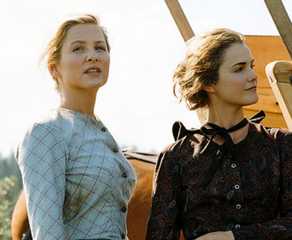
Much like Sheridan’s Western dramas, Into the West assembled an impressive collection of established Hollywood stars.
The ensemble includes:
-
Josh Brolin
-
Keri Russell
-
Gary Busey
-
Tom Berenger
-
Sean Astin
-
Matthew Settle
-
Jessica Capshaw
-
Wes Studi
-
Russell Means
-
Tatanka Means
-
Graham Greene
-
Zahn McClarnon
-
Gil Birmingham
The involvement of prominent Indigenous and First Nations performers was particularly significant, bringing greater cultural authenticity to the production.
Interestingly, Birmingham and McClarnon would later appear in Sheridan’s Yellowstone, creating another connection between Spielberg’s historical epic and the modern Western franchise.
An Essential Western For Viewers Who Love 1883 And 1923
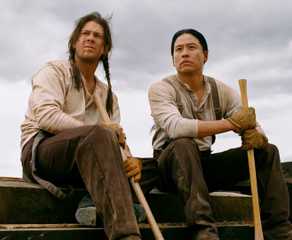
What makes Into the West particularly appealing to audiences familiar with Sheridan’s work is its combination of intimate family drama and large-scale historical storytelling.
While 1883 and 1923 examine American history through the generations of the Dutton family, Spielberg’s production adopts a broader perspective, exploring how the same historical developments shaped communities with profoundly different experiences.
With its outstanding ensemble, ambitious narrative and striking cinematography, Into the West remains one of television’s most accomplished historical Westerns. More than twenty years after its release, the miniseries offers a compelling reminder of how powerful the genre can be when history and human drama receive equal attention.