22 Years Later, Deadwood’s Most Iconic Line Still Captures the Brutal Reality of the Wild West
Few television Westerns have captured the violence, corruption and moral contradictions of the Old West as sharply as HBO’s Deadwood. Created by David Milch, the three-season drama became a cult classic thanks to its uncompromising storytelling, complex characters and famously profane dialogue. More than two decades after its 2004 debut, one short declaration from Timothy Olyphant’s Seth Bullock remains a defining moment in the series — a line that perfectly captures the difficult balance between lawlessness and civilization at the heart of the show.
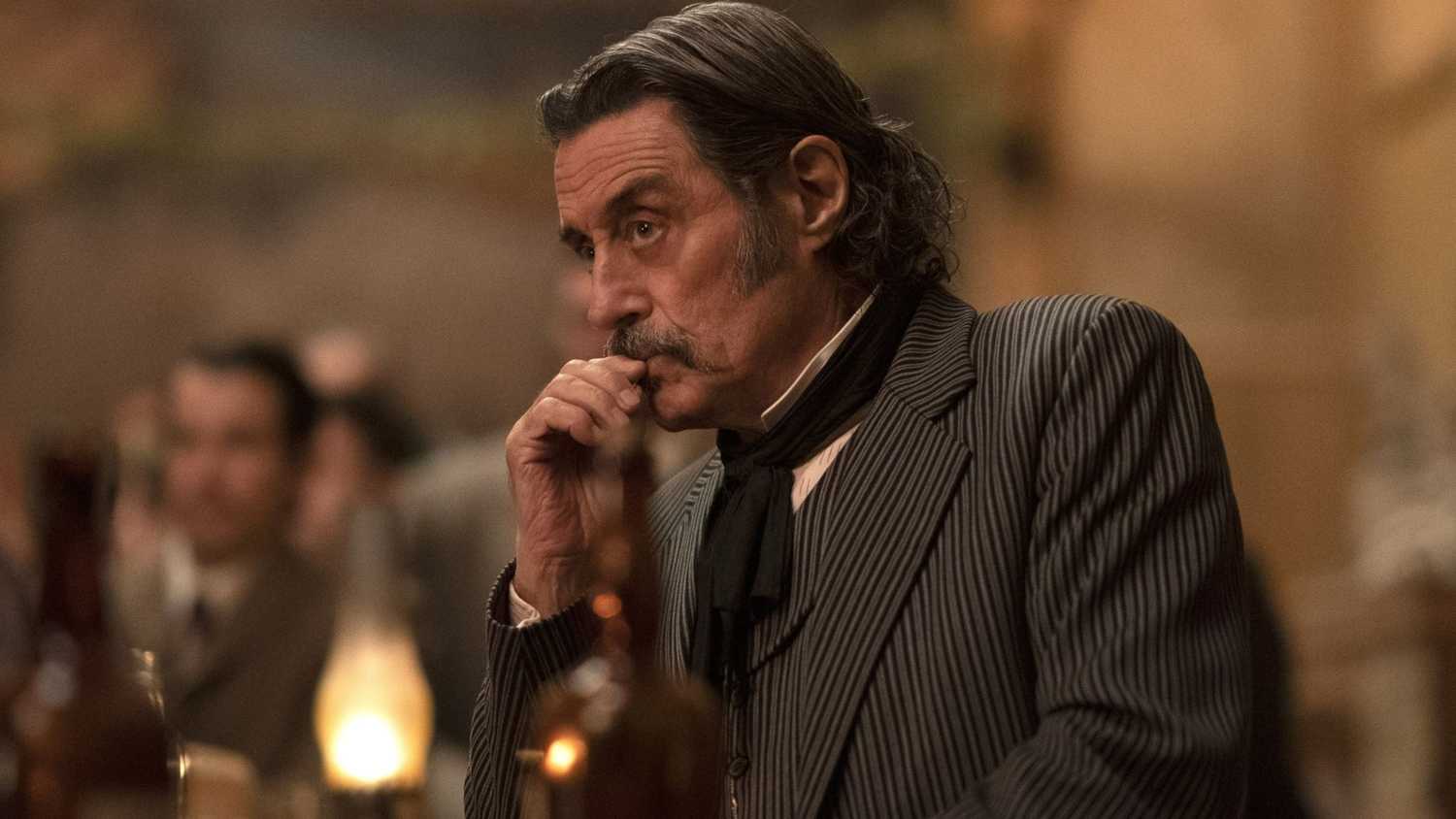
While Yellowstone has become a major force in modern television, Deadwood remains one of the genre’s most distinctive achievements. Set in the real mining settlement of Deadwood, South Dakota, in 1876, the series follows a community shaped by gold prospecting, crime, violence and the struggle for power. It ran for three seasons and 36 episodes between 2004 and 2006.
David Milch had originally hoped to develop a drama about Ancient Rome. However, when HBO moved forward with its own Rome project, he turned his attention to the American frontier instead. The result was a gritty Western unlike anything else on television, earning a reputation for dialogue that critics and viewers have frequently compared to Shakespeare — albeit with considerably more profanity.
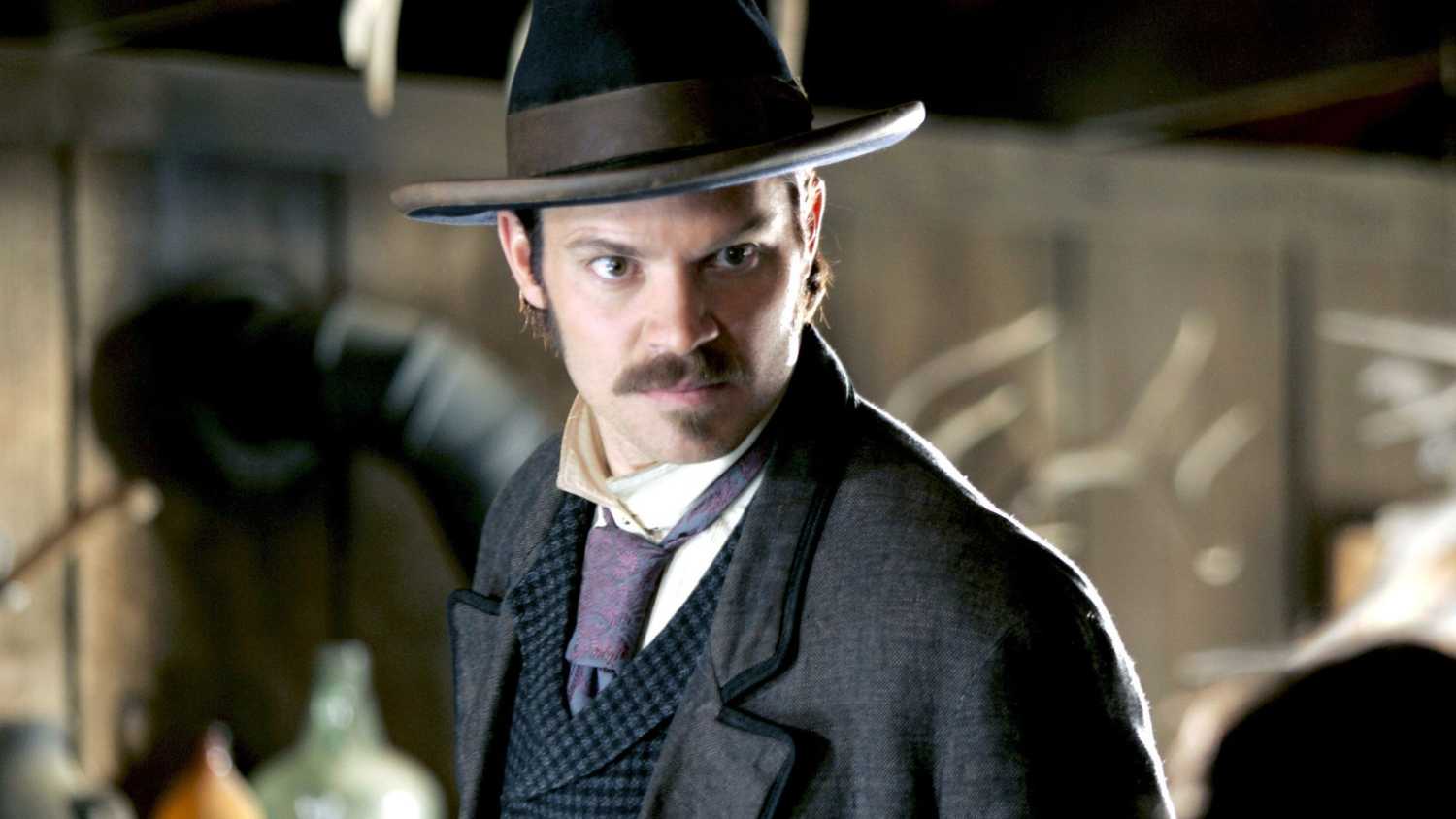
The line that defines Seth Bullock and Deadwood
At the center of the story is Seth Bullock, played by Timothy Olyphant. A former marshal, Bullock arrives in Deadwood hoping to build a hardware business alongside his partner, Sol Starr, portrayed by John Hawkes.
He has little interest in becoming involved in the town’s political struggles. But Deadwood is hardly a place where an ordinary businessman can simply keep to himself.
The settlement is dominated by violence, murder, laudanum and sex work. Its most powerful figure is Al Swearengen, played by Ian McShane, the ruthless owner of the Gem Saloon. Al understands that survival in Deadwood depends on recognizing its brutal rules — and he has no intention of allowing anyone to challenge his authority without consequences.
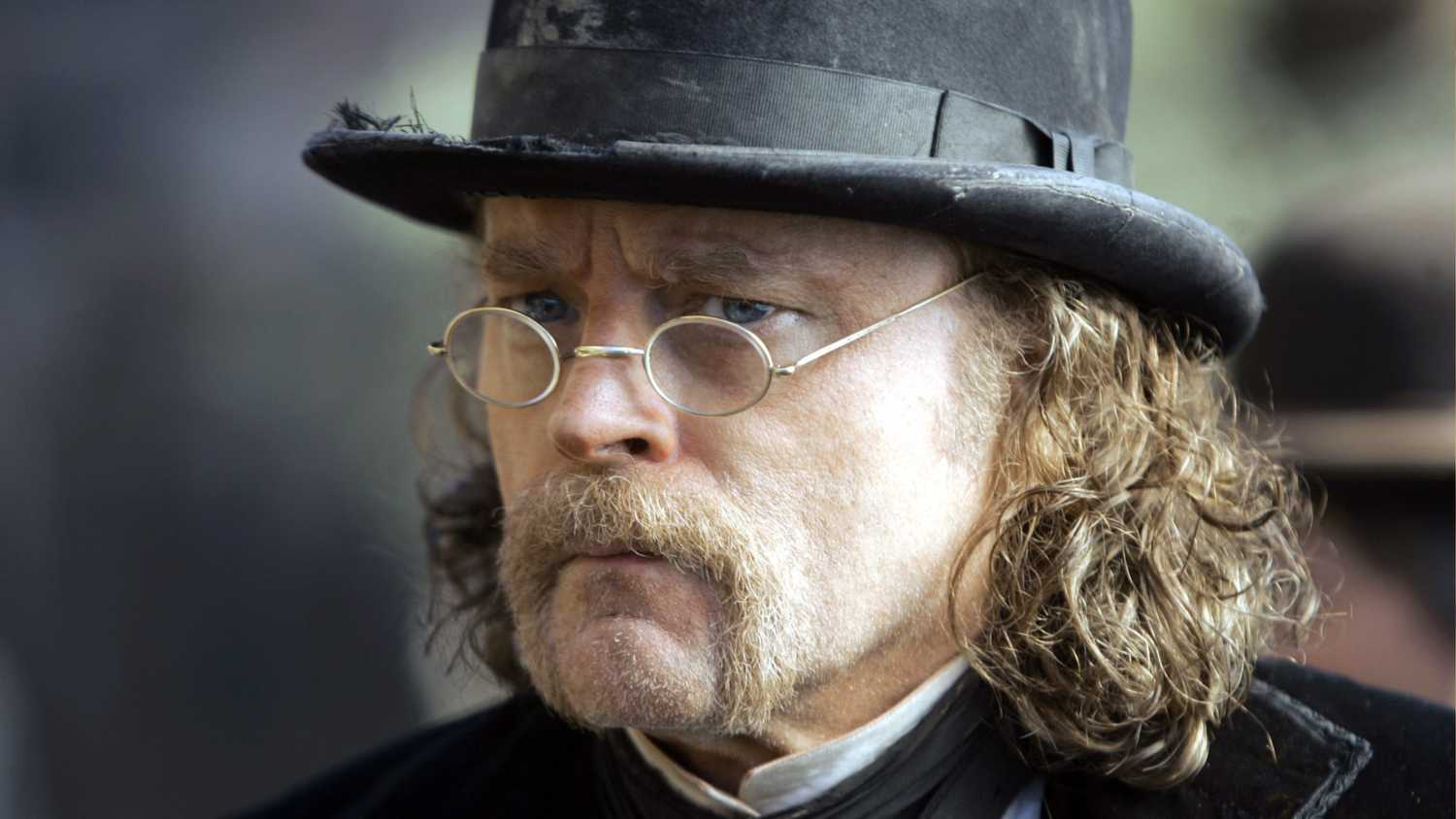
Bullock, by contrast, is guided by a strong sense of justice and an instinct to do what is right. Yet his principles exist alongside a fierce temper, making him one of the most volatile figures in the camp. He wants to remain independent of the town’s corruption, but his growing awareness of the danger surrounding its residents makes that increasingly difficult.
As powerful interests continue to exploit the community, Bullock finds himself pushed toward a responsibility he has spent much of the story resisting.
His eventual acceptance is summed up in one unforgettable outburst:
“Fine, I’ll be the f*ing sheriff.”**
A reluctant sheriff in a town desperate for order
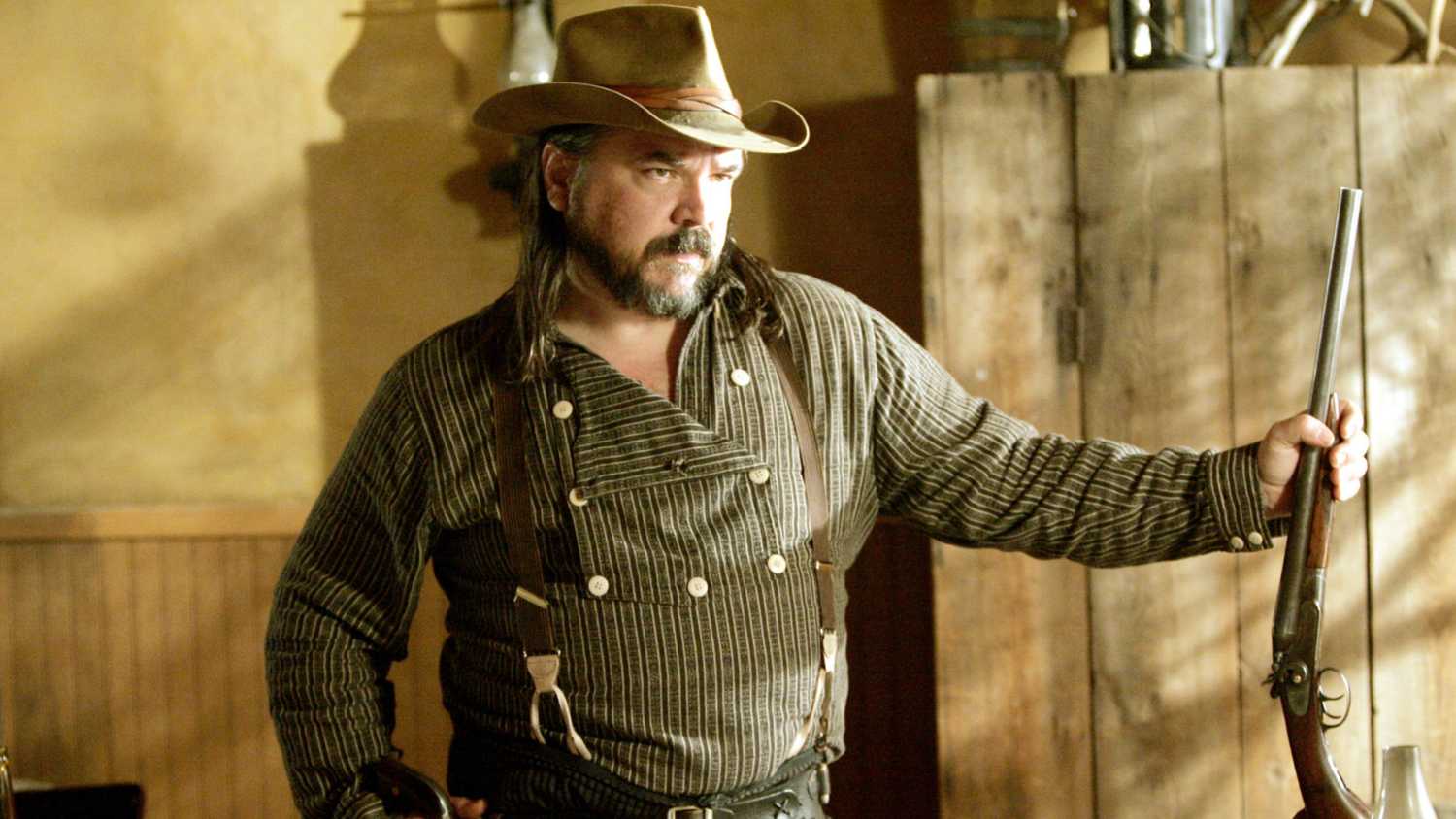
The line works because it captures the contradiction at the heart of Bullock’s character. He is a man who values justice but has little appetite for authority, forced to step into a role that demands both restraint and confrontation.
It also reflects the wider transformation taking place in Deadwood. The town’s lawlessness is central to its identity, but unchecked corruption cannot continue indefinitely without consequences. Bullock’s decision marks a turning point, suggesting that some form of order may finally emerge from the chaos.
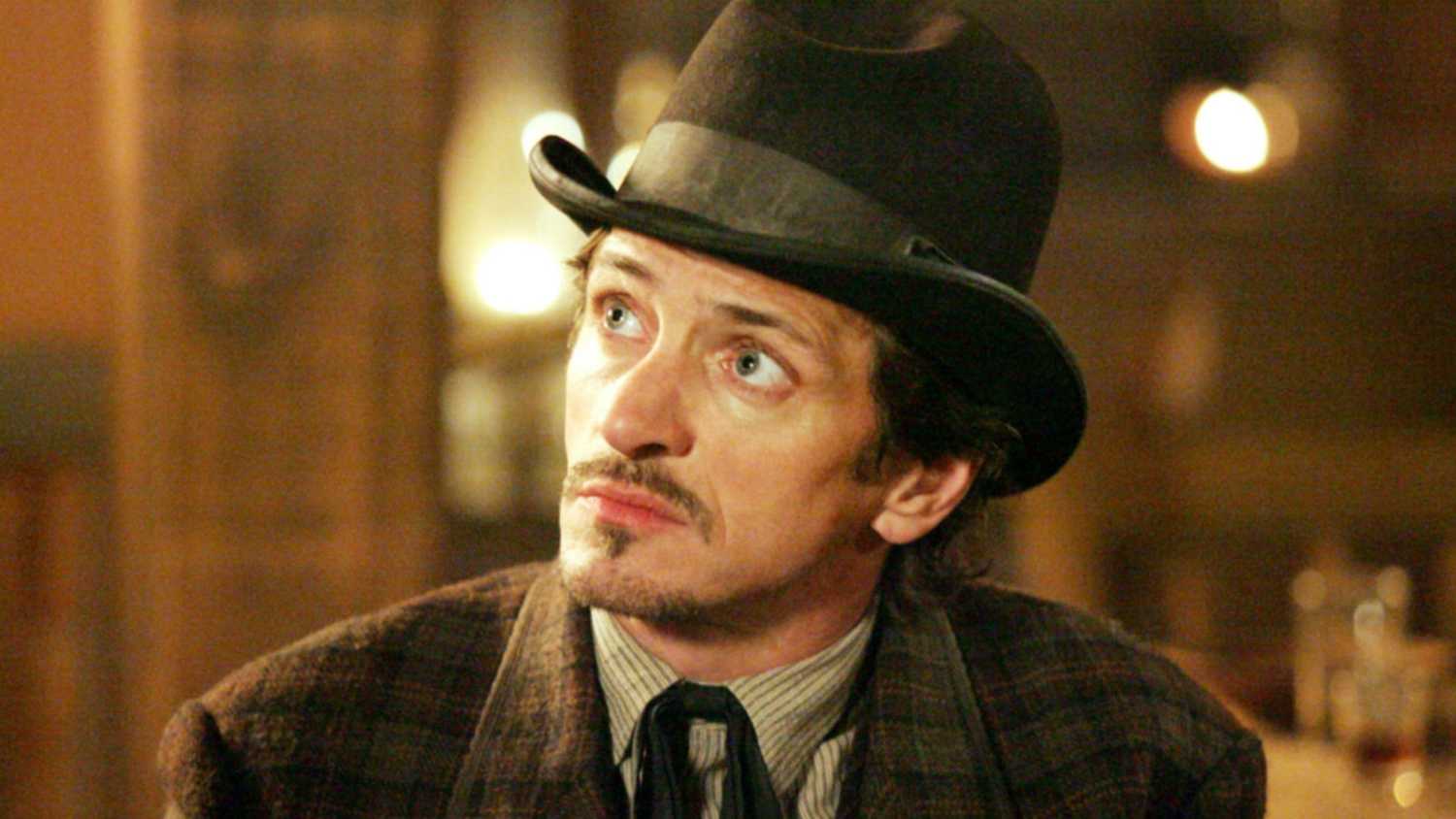
That tension between civilization and an almost lawless frontier is what makes the series so compelling. Deadwood is neither fully governed nor entirely beyond control; it exists somewhere between the two, with its future depending on people willing to challenge those who profit from disorder.
Bullock’s declaration captures that struggle in a single moment. It is blunt, reluctant and entirely in keeping with the show’s distinctive voice — a fitting reminder of why Deadwood remains a landmark in television Westerns.