Forget Band of Brothers: This WWII Epic Offers 32 Episodes of Unflinching War Drama
While Band of Brothers remains one of television’s most acclaimed portrayals of World War II, another series offers a very different — and arguably more unsettling — perspective on the conflict. Across four seasons and 32 episodes, Das Boot takes viewers into the claustrophobic world of a German U-boat crew while following the French Resistance on land, revealing how war gradually destroys loyalty, conviction and the lives of ordinary people.
Produced by Steven Spielberg and Tom Hanks, Band of Brothers is widely regarded as an exceptional war drama. Its journey from the skies over Normandy to the frozen foxholes of Bastogne captures the courage, sacrifice and suffering of the soldiers of Easy Company. The presence of real veterans, whose recollections give the story an added emotional weight, makes the series feel like both a tribute to those who fought and a remembrance of those who never returned.
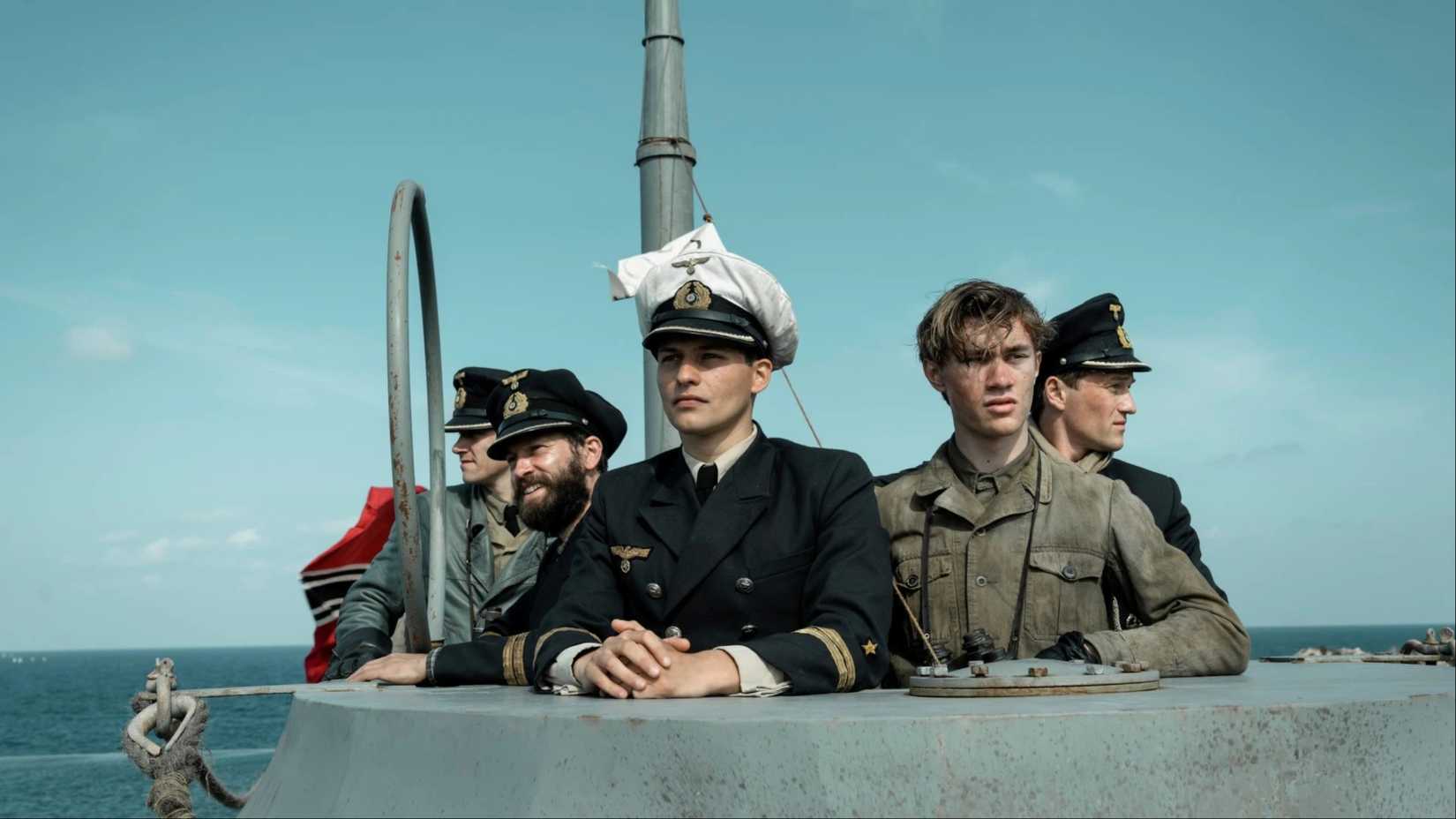
But viewers looking for a World War II story that challenges the usual perspective of the genre should consider Das Boot.
The four-season series is a continuation of Wolfgang Petersen’s 1981 film of the same name, which received six Oscar nominations. However, newcomers can follow the television story without having seen the original movie, as the narrative provides enough background while developing its own characters and conflicts. Originally broadcast from November 23, 2018, to October 7, 2023, the series also received a positive response from critics.
Why Das Boot Offers a Different Perspective on War Than Band of Brothers
The difference becomes clear when we compare the two series’ central perspectives. Band of Brothers, produced by Steven Spielberg and Tom Hanks, follows Easy Company from Normandy to the Eagle’s Nest. Its soldiers share a strong sense of purpose, believing they are fighting for a cause that will ultimately prevail. Their friendships are tested by combat and loss, but their commitment to one another remains a source of strength.
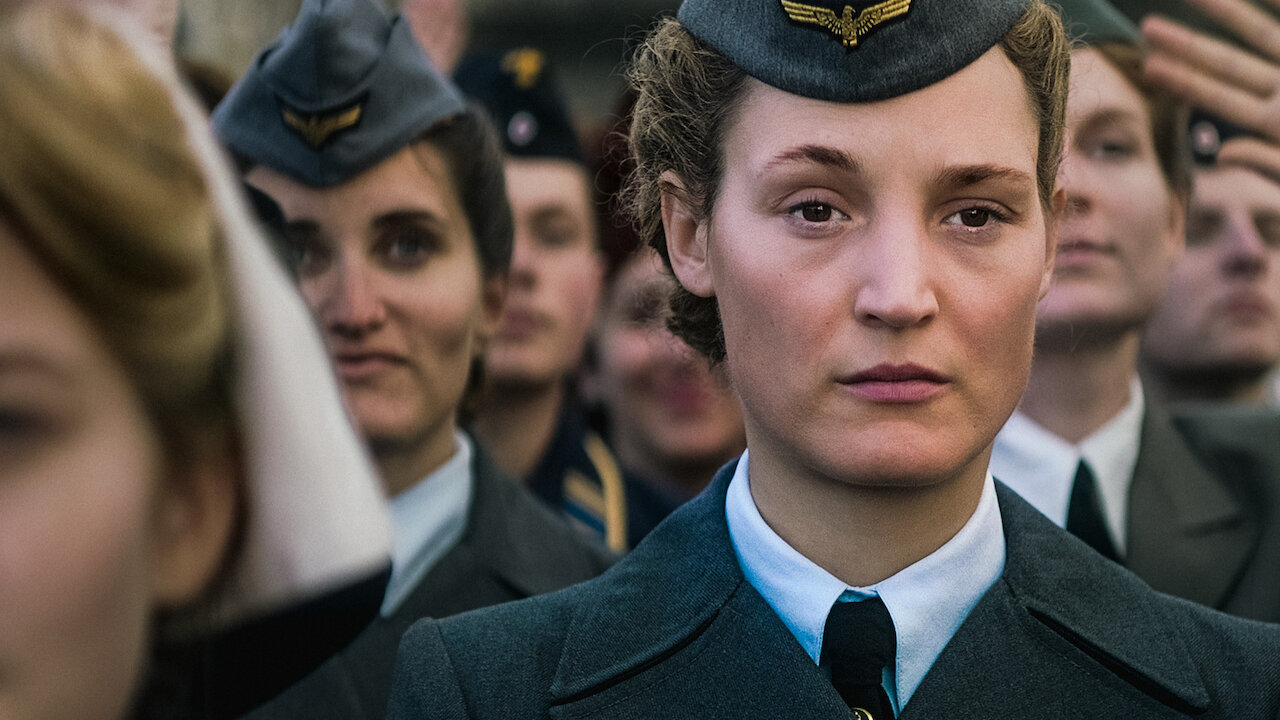
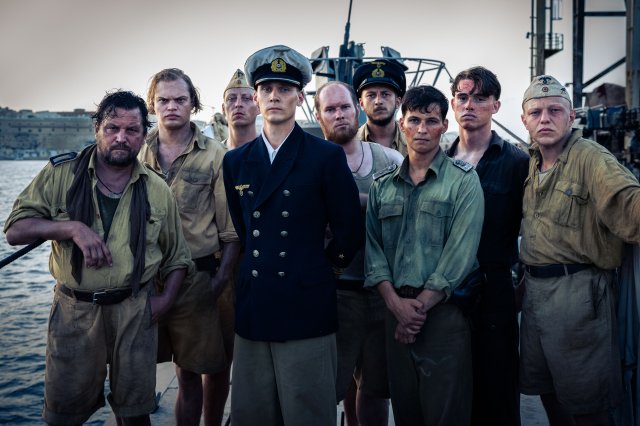
Das Boot takes viewers to the other side of the conflict, beginning in late 1942. Its story follows the inexperienced Captain Klaus Hoffmann and the young crew of U-612 as they embark on a dangerous mission in the Atlantic. At the same time, in the occupied French port of La Rochelle, translator Simone Strasser becomes increasingly involved with the French Resistance.

The contrast between the two narratives is striking. In Band of Brothers, brotherhood helps soldiers endure the horrors of war. In Das Boot, loyalty gradually deteriorates as orders become increasingly difficult to justify. The men aboard U-612 face the same fear, exhaustion and uncertainty experienced by soldiers in Easy Company, but their circumstances are complicated by the knowledge that they are serving a criminal regime whose defeat is becoming inevitable.
The series also refuses to keep its German characters at a comfortable distance. Viewers experience their fear and desperation inside the cramped submarine, where the steel walls make every threat feel immediate. On land, the danger continues in Gestapo offices, where a single mistake or careless word can cost someone their life.
This creates a much less reassuring portrait of World War II. While Band of Brothers ultimately benefits from the historical knowledge that its central characters fought for the victorious Allied side, Das Boot offers no such emotional comfort. Its characters are trapped in a conflict whose moral consequences become increasingly impossible to ignore.
Both productions are powerful examinations of the human cost of war, but they approach that subject from different directions. One celebrates the bonds that help people survive a terrible conflict; the other explores how those bonds and beliefs can slowly fall apart. It also gives considerable attention to women forced to make impossible decisions between protecting their families and resisting the Nazi regime.
Rather than diminishing the value of historically grounded war dramas, Das Boot broadens the conversation by asking viewers to confront a more uncomfortable perspective. Its willingness to remain with people who will never be remembered as traditional heroes is one of the qualities that makes it particularly compelling for audiences interested in military history.
How the Series Expands Beyond the Original Film and Novel
The 1981 film Das Boot, directed by Wolfgang Petersen, and Lothar-Günther Buchheim’s 1973 novel of the same name are renowned for their intense depiction of life aboard a German U-boat. Both works create an almost suffocating atmosphere, confining audiences to a submarine where the threat of depth charges, mechanical failures and the constant pressure of underwater warfare dominate every moment.
The television adaptation retains that claustrophobic tension but expands the story considerably. Instead of limiting the narrative to the submarine and its crew, it develops a parallel storyline around the French Resistance in occupied La Rochelle.
This broader structure allows the series to explore the consequences of war beyond the battlefield. The dangers experienced by the sailors below the surface are mirrored by the political oppression, personal sacrifices and moral compromises faced by civilians on land.
The submarine remains central to the drama, but the additional storyline gives the conflict a wider human dimension. Viewers see how the war affects people who are not directly involved in military operations, while also following the gradual collapse of the beliefs that once held the crew together.
The series also introduces more substantial roles for women than the largely male-focused narrative of the original submarine story. Through Simone Strasser and the French Resistance, it examines the difficult choices women face under occupation, particularly when their personal relationships and family responsibilities come into conflict with their opposition to the regime.
As the story progresses, later seasons widen the scope even further. Defectors, British forces hunting German submarines and members of the Kriegsmarine who begin turning against the Nazi regime all become part of the narrative. These developments reveal how resistance and disillusionment can emerge within a military structure as its members increasingly lose faith in the cause they have been ordered to defend.
The original film remains remarkable for its sustained intensity within a single setting, while Buchheim’s novel retains the immediacy of its firsthand perspective. The television series does not attempt to replace either work. Instead, it uses its longer format to examine a wider range of experiences connected to the U-boat war.
Its most significant achievement is showing that the suffering of war does not end when the submarine surfaces or the mission is over. The physical pressure may change, but the fear, guilt and consequences remain with those who must return to life on land.
For viewers who appreciate Band of Brothers but want a more morally complicated and expansive World War II drama, Das Boot offers a compelling alternative. Across four seasons and 32 episodes, it presents a deeply unsettling portrait of a conflict in which survival, loyalty and conscience are constantly at odds.