HBO’s Generation Kill Remains a Gripping Seven-Part Portrait of Modern Warfare
Nearly two decades after its debut, HBO’s Generation Kill remains a compelling war miniseries, offering an unfiltered look at the realities of the 2003 invasion of Iraq. Across seven episodes, the drama combines intense battlefield sequences with a critical examination of military leadership, bureaucratic failures and the consequences faced by young soldiers on the ground.
Created by David Simon and Ed Burns, the team behind The Wire, the series takes a distinctly journalistic approach to modern warfare. Rather than relying on familiar heroic narratives, it draws attention to the confusion, flawed decisions and institutional problems that shaped the Marines’ advance toward Baghdad.
The result is a demanding but rewarding portrayal of war that continues to resonate with audiences. As of October 26, 2026, Generation Kill holds an 86% critics’ score and a 92% audience score on Rotten Tomatoes.

Generation Kill premiered on HBO on July 13, 2008. The seven-part miniseries adapts journalist Evan Wright’s nonfiction account of his experience as a Rolling Stone correspondent embedded with the U.S. Marine Corps’ First Reconnaissance Battalion during the 2003 invasion of Iraq.
Wright, portrayed by Lee Tergesen, accompanies the Marines as they navigate the early stages of the conflict. His presence gives the series a firsthand perspective, allowing viewers to witness both the realities of combat and the uncertainty surrounding the military operation.
Simon and Burns brought their background in journalism to the adaptation, prioritizing the details of what happened over conventional dramatic storytelling. The series depicts shifting operational plans, supply shortages, communication problems and decisions made far above the level of the troops expected to carry them out.
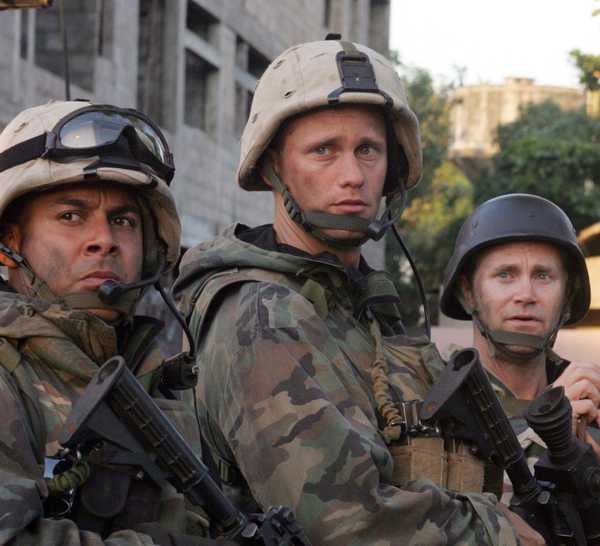
Although the story contains intense firefights and striking battle sequences, its central focus extends beyond the battlefield. It examines the gap between official military objectives and the conditions experienced by the people carrying out those missions.
The series also explores the wider political context of the Iraq War, including the controversy surrounding the invasion and the claims used to justify it. Rather than presenting a simple narrative of heroes and villains, Generation Kill invites viewers to consider the consequences of institutional failures and flawed leadership.
The Cost of Decisions Made Far Above the Battlefield

One of the series’ most compelling elements is its portrayal of the relationship between senior commanders and the young Marines under their authority.
The troops are often left to deal with the practical consequences of changing orders, inadequate preparation and uncertain objectives. Many are still teenagers or young adults, yet they must make difficult decisions in dangerous and unpredictable circumstances.
This tension gives Generation Kill much of its dramatic force. The Marines are trained to perform their duties, but their effectiveness is repeatedly challenged by problems beyond their control. The series shows how military operations can be shaped as much by bureaucracy and miscommunication as by the enemy.
Its commitment to portraying these contradictions distinguishes it from war dramas that focus primarily on combat or clear-cut moral conflicts. The emphasis is on the lived experience of the soldiers and the complicated system surrounding them.
That approach has helped the miniseries maintain its relevance long after its original broadcast. Its story is rooted in a specific historical conflict, yet its questions about leadership, accountability and the human cost of military decisions remain central to how modern warfare is understood.
Why David Simon Considered It His Most Challenging Series
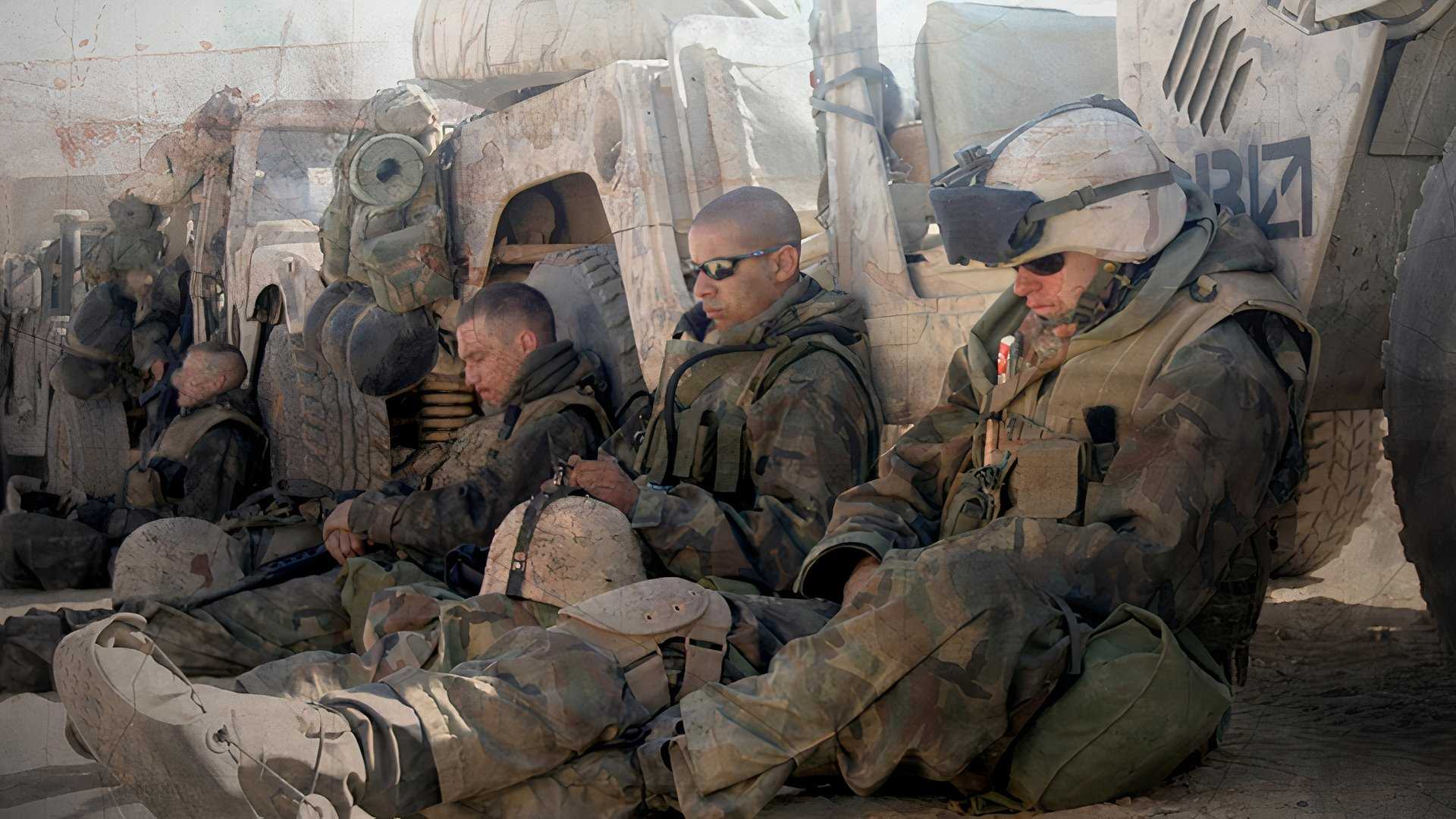
The production’s commitment to factual detail came with significant creative challenges. In an interview with the Los Angeles Times published on June 7, 2011, Simon described Generation Kill as the most challenging television project of his career at that point.
He explained that the creative team was determined to portray the First Reconnaissance Battalion’s journey into Baghdad as accurately as possible, including poor decisions and moments when individuals failed to act admirably. The writers could not freely reshape events to create a more conventional dramatic arc.
That commitment placed limits on how the story could be structured. Instead of manufacturing tension or simplifying events for entertainment, the team had to remain faithful to the experiences they were adapting.
The result is a series whose realism sometimes takes precedence over traditional storytelling rhythms. For viewers who prefer fast-moving action and straightforward moral conclusions, that approach may feel demanding. For those interested in a more complicated and grounded depiction of war, it is a defining strength.
An Award-Recognized HBO Miniseries
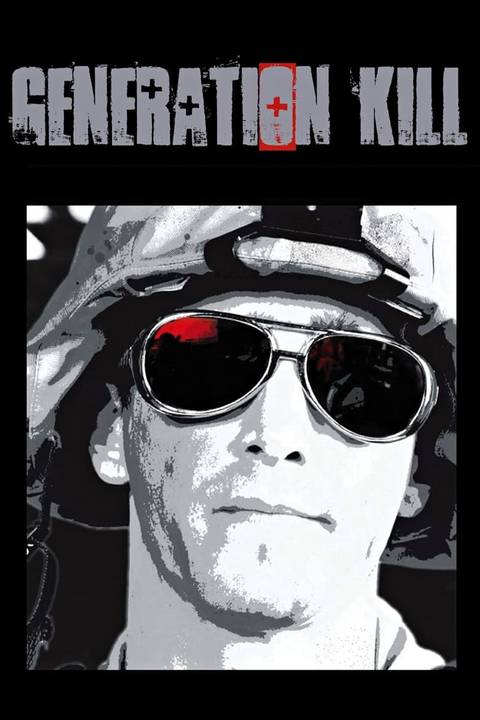
The critical response to Generation Kill reflected the ambition of its approach. The miniseries received 11 Primetime Emmy Award nominations and won three in 2009.
Its victories included Outstanding Sound Editing for a Miniseries, Movie or a Special, Outstanding Sound Mixing for a Miniseries or Movie, and Outstanding Special Visual Effects for a Miniseries, Movie or a Special.
These awards recognized important aspects of the production, from the immersive soundscape of combat to the visual work that helped bring its wartime setting to life.
The series also features a strong ensemble cast, including Alexander Skarsgård as Sergeant Brad “Iceman” Colbert, James Ransone as Corporal Josh Ray Person and Lee Tergesen as embedded reporter Evan Wright. Their performances help convey the personalities, tensions and relationships within the unit as it moves through the early stages of the invasion.
With one season and seven episodes, Generation Kill offers a concentrated viewing experience for anyone interested in modern military history and realistic war dramas. Its unflinching examination of combat, command decisions and institutional shortcomings makes it a distinctive entry in HBO’s catalogue of military series.