HBO’s ‘Band of Brothers’ Draws 193.3 Million Viewing Hours in Less Than Three Years
More than two decades after its debut, Band of Brothers continues to attract a remarkable audience. The acclaimed HBO World War II miniseries accumulated 193.3 million viewing hours between July 2023 and December 2025, according to figures compiled by FlixPatrol from Netflix engagement reports. The achievement highlights the lasting appeal of a series that first premiered in 2001 and remains one of television’s most respected portrayals of wartime experience.
Produced by Tom Hanks and Steven Spielberg, Band of Brothers follows the men of Easy Company, part of the 101st Airborne Division, whose paratroopers landed in Normandy on D-Day. Adapted from historian Stephen E. Ambrose’s nonfiction book, the series traces their experiences throughout World War II, focusing not only on military operations but also on the friendships, sacrifices and personal struggles that shaped the soldiers’ lives.
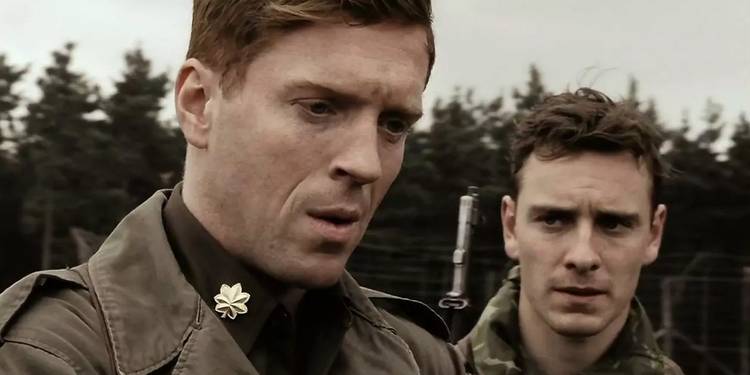
A True Story Brought to Television by Tom Hanks and Steven Spielberg
Following their collaboration on Saving Private Ryan, Hanks and Spielberg turned their attention to another chapter of World War II history. This time, rather than building a fictional story around the conflict, they brought the real experiences of Easy Company to the screen.
The series draws heavily on Ambrose’s account of Dick Winters’ rise through the military and the men who served alongside him. It follows the company from its early days through some of the war’s most significant operations, offering a detailed look at the people behind the historical events.
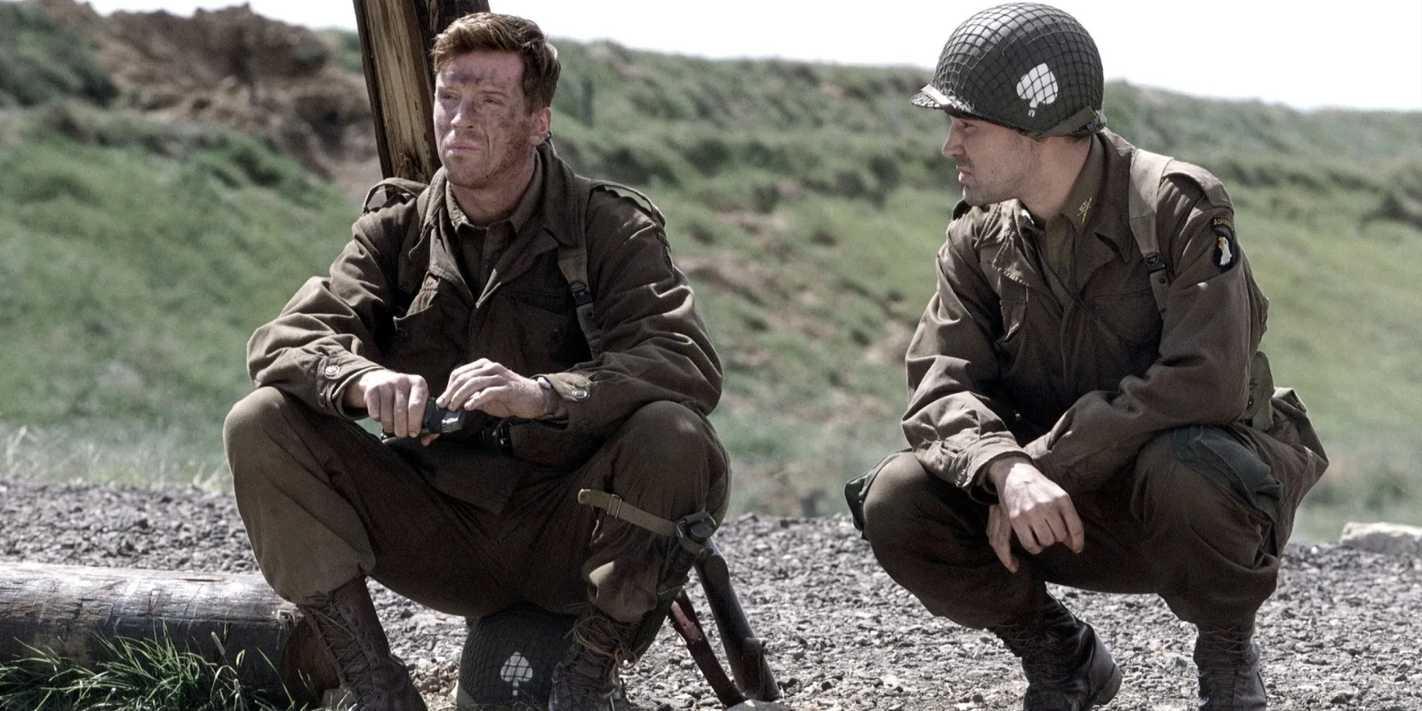
Damian Lewis stars as Dick Winters, an officer whose leadership earns the trust and loyalty of the men under his command. Among his closest companions is Lewis Nixon, played by Ron Livingston, an intelligence officer who develops a strong friendship with Winters. While Winters gradually advances through the military ranks, his abilities also attract resentment from superiors who feel threatened by his success.
As the company moves deeper into the conflict, its members face increasingly difficult conditions, devastating losses and the uncertainty of a war that will change their lives permanently.
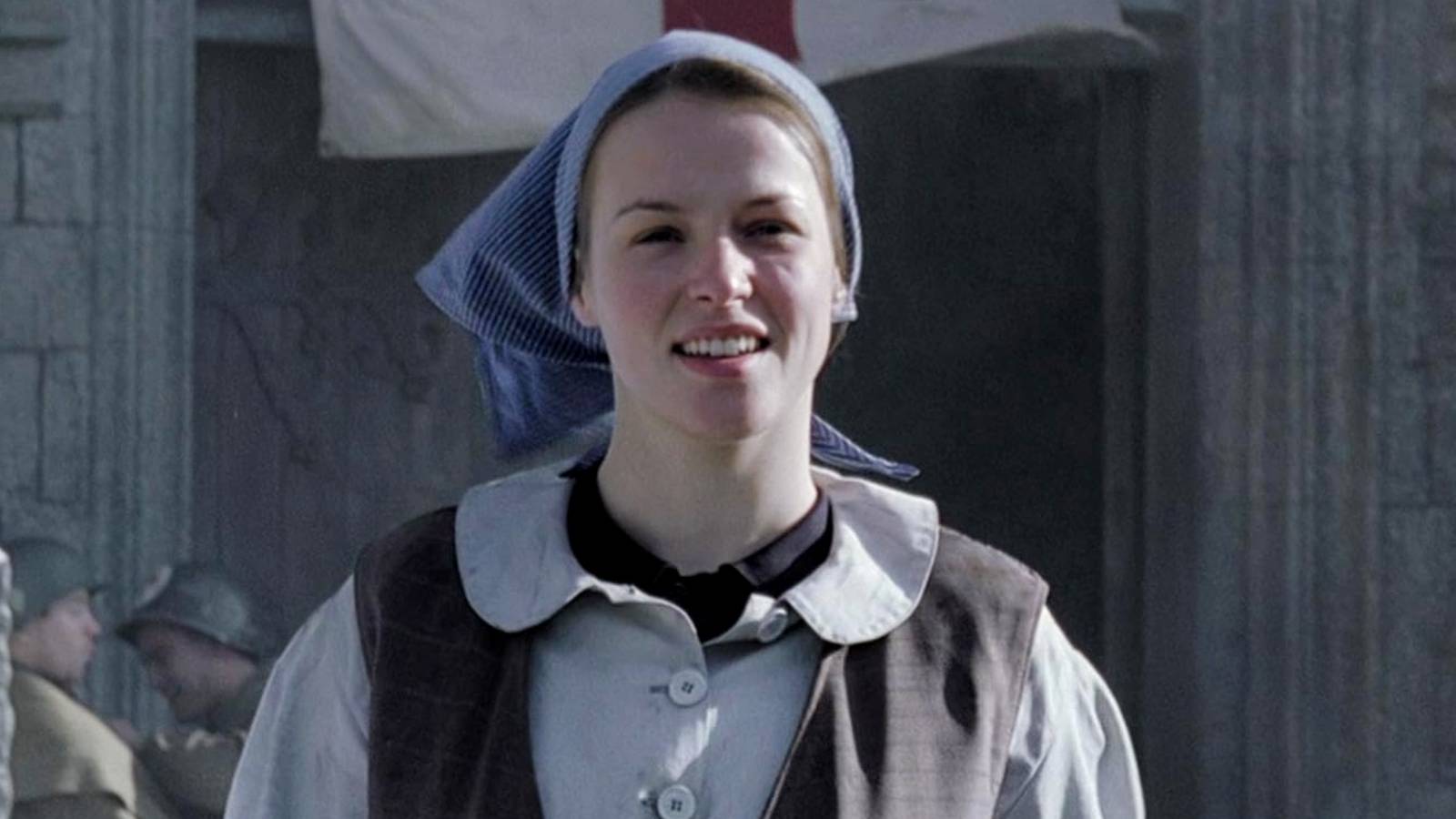
The Series Refused to Glorify the Brutality of War
Although Band of Brothers features intense battle sequences, its purpose was never to make combat appear thrilling or heroic. Instead, the miniseries confronts the physical and psychological consequences of warfare, showing how the conflict affected the men far beyond the battlefield.
One early example comes shortly before D-Day, when Bill Guarnere, portrayed by Frank John Hughes, learns that his brother has been killed. The news adds another layer of emotional strain as Guarnere and his fellow soldiers prepare to parachute into enemy territory under cover of darkness.
Such moments illustrate the personal tragedies that accompanied the military campaign. The series also incorporates interviews with the real veterans portrayed on screen, allowing their memories to frame the dramatized events and connect the story directly to the people who experienced them.
The result is a portrayal of World War II that places the soldiers’ humanity at its center rather than presenting the conflict as a succession of victories and heroic achievements.
The Siege of Bastogne Reveals the True Cost of Survival
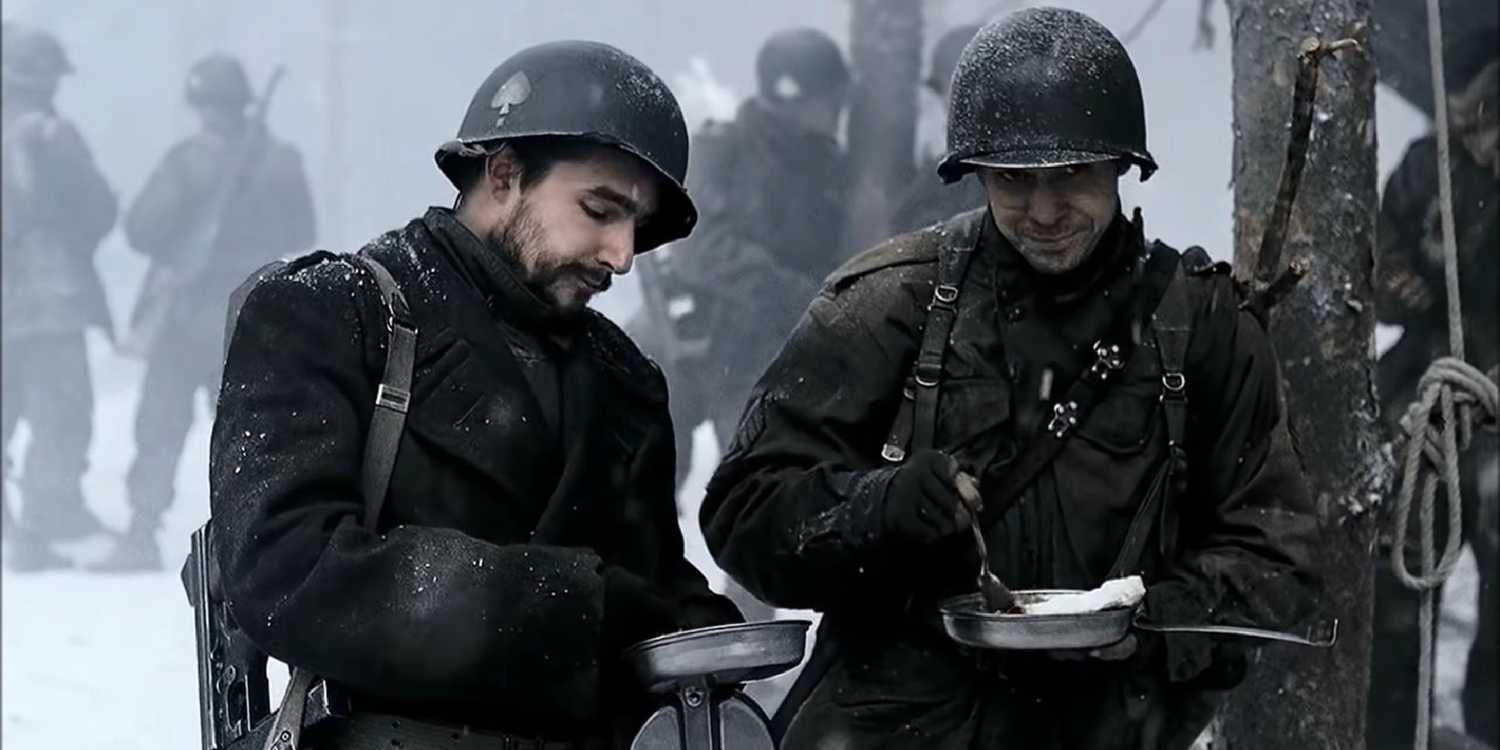
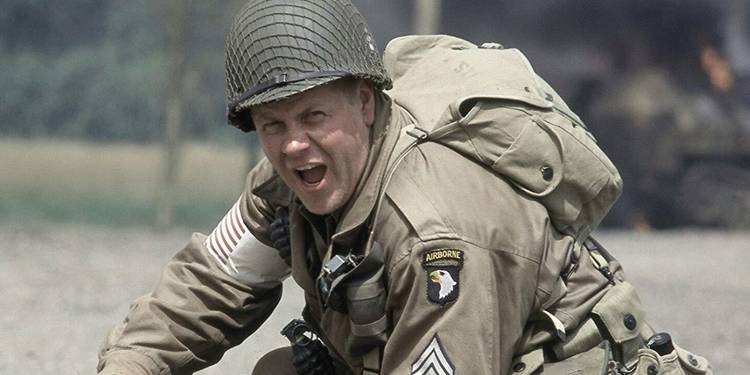
Among the series’ most harrowing chapters is its depiction of the Siege of Bastogne, during the Battle of the Bulge. Easy Company is ordered to defend the territory against German forces in the freezing winter conditions, facing an ordeal that tests the limits of the soldiers’ endurance.
The episodes show the men struggling with extreme cold, constructing trenches and trying to survive while German attacks continue. Frostbite and exhaustion become constant threats, while the fighting claims the lives of several paratroopers.
Guarnere and Joe Toye, played by Kirk Acevedo, are critically injured, while other soldiers are killed in German explosions. Yet the freezing temperatures remain among the most punishing aspects of the experience. One veteran later recalled how enduring the cold at Bastogne had left such a lasting impression that even on other bitterly cold nights, he could still take comfort in knowing the conditions were not as severe.
These scenes underline one of the series’ central themes: the men were not sustained by military victories alone. In the middle of unimaginable hardship, their strongest source of comfort was the support they found in one another.
The Emotional Scars Continued Long After the Fighting
Band of Brothers also explores the consequences of war that are less visible than physical injuries. Through interviews with Dick Winters, Bill Guarnere, Babe Heffron and Donald Malarkey, viewers gain a sense of how deeply the events of World War II affected the men long after their time in combat.
One particularly moving moment involves Malarkey while he is in England. Asked to collect laundry, he pays to have the clothes belonging to every comrade killed in combat sent home. The series does not need to show each death directly to communicate the weight of his grief. His expression alone conveys the emotional burden he continues to carry.
The miniseries also highlights an unexpected difficulty of military life: the long stretches of boredom between battles. In the finale, titled “Points,” the story acknowledges that some soldiers died even when they were no longer actively fighting. Accidents, alcohol and frayed nerves all contributed to the dangers they faced while the war was still technically underway.
These quieter experiences add another dimension to the story, revealing that the consequences of conflict cannot be measured solely by casualties on the battlefield.
Why ‘Band of Brothers’ Still Resonates
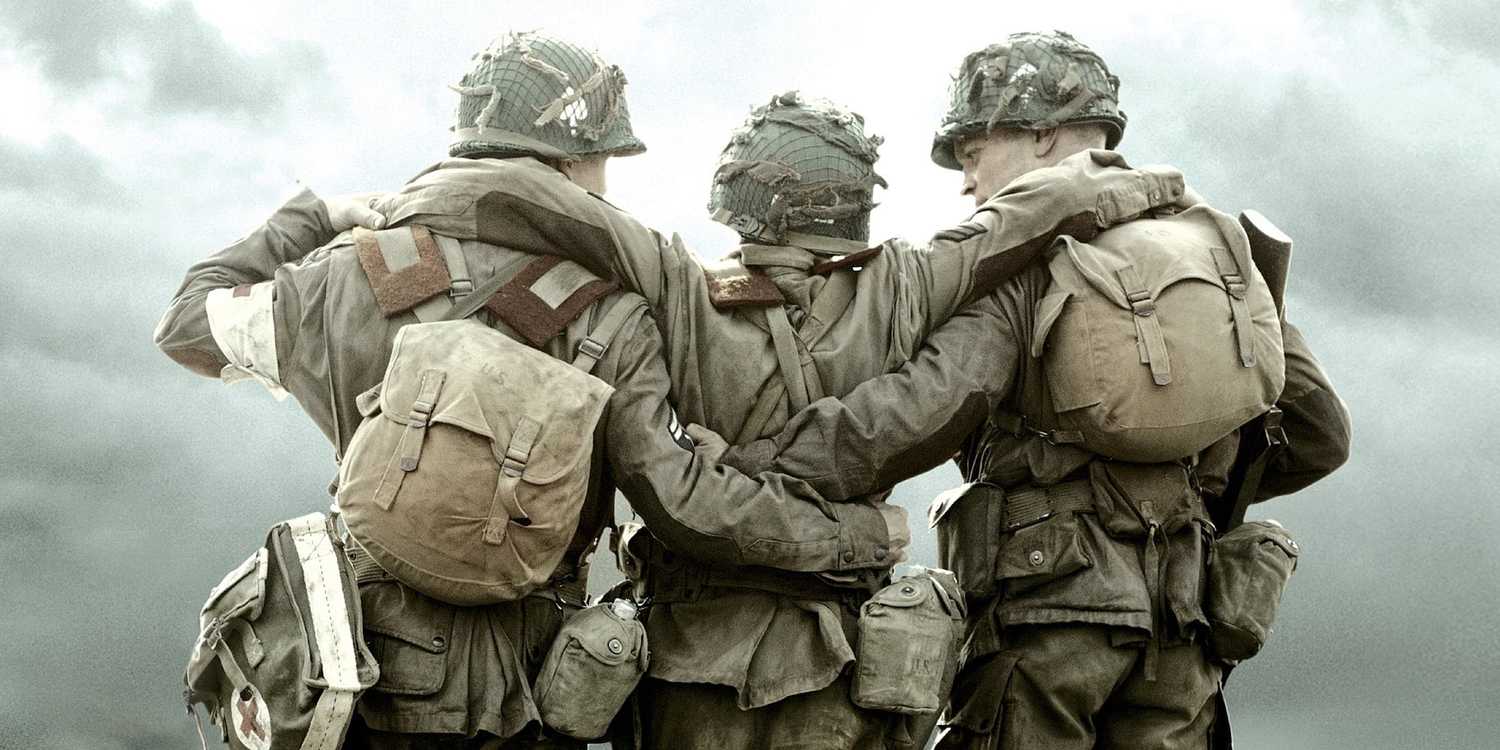
The title Band of Brothers reflects the relationships at the heart of the miniseries. As the men endure brutal conditions and witness the loss of their comrades, the bonds they build become essential to their survival. Their loyalty to one another helps them withstand experiences that would otherwise be almost impossible to bear.
By bringing together historical events, personal testimonies and an ensemble of compelling performances, the series offers a deeply human account of World War II. It recognizes the courage of the soldiers while refusing to overlook the suffering, fear and lasting emotional damage that came with their service.
More than 20 years after its original release, the reported 193.3 million viewing hours demonstrate that audiences continue to seek out this powerful story. Its enduring appeal lies not simply in its depiction of a major historical conflict, but in its portrayal of the men who lived through it and the extraordinary bonds that carried them forward.