Quentin Tarantino’s Django Unchained Blends the Brutality of Unforgiven With the Revenge-Fueled Spirit of Kill Bill
Quentin Tarantino spent much of his career exploring crime stories, martial arts and exploitation cinema before finally turning his attention to the Western. The result was Django Unchained, his 2012 genre-bending epic that combines the violence and visual flair of spaghetti Westerns with a deeply personal story of love, freedom and revenge. Now available to stream for free on Pluto TV in the US, the film remains one of the director’s most distinctive works.
Although its setting in the American South makes it technically closer to a Southern than a traditional Western, Django Unchained draws heavily on the conventions of the genre. Its influences stretch from Sergio Leone’s iconic Westerns to the revenge-driven storytelling of Tarantino’s own Kill Bill films.
A Western That Brings Together Tarantino’s Biggest Influences
Before making Django Unchained, Tarantino had already established himself as a filmmaker with an unusually broad cinematic vocabulary. His early films, including Reservoir Dogs and Pulp Fiction, explored the criminal underworld through sharp dialogue, fractured storytelling and sudden bursts of violence.
He pushed those boundaries further with Kill Bill: Vol. 1 and Kill Bill: Vol. 2, which brought together martial arts cinema, revenge thrillers, anime and the music and imagery of spaghetti Westerns. His next project, Death Proof, paid tribute to the car-chase movies of the 1970s, featuring some of his most memorable action sequences and a standout performance from Kurt Russell.
In many respects, Django Unchained brought together the influences that had shaped Tarantino’s filmmaking from the beginning. The director had long admired spaghetti Westerns, particularly their exaggerated violence, morally complicated characters and unconventional interpretations of the American frontier.
One of his major inspirations was Sergio Leone’s The Good, the Bad and the Ugly. Its distinctive editing, visual composition and use of music helped establish a style that can be felt throughout Tarantino’s work.
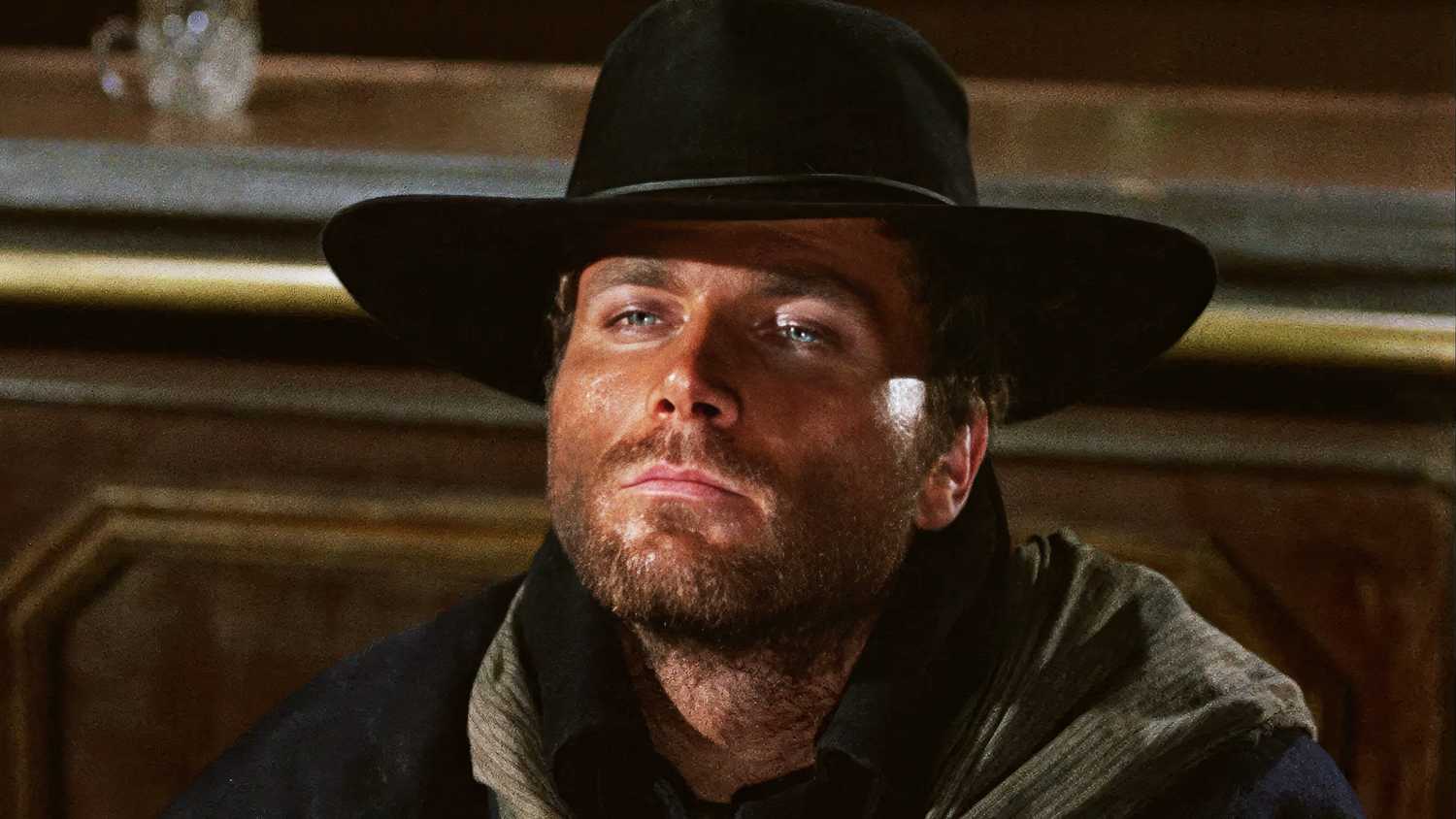
However, Django Unchained also draws from a less widely celebrated corner of spaghetti Western history: the films built around Django, the wandering gunslinger first brought to the screen by Franco Nero in Sergio Corbucci’s 1966 movie of the same name.
Jamie Foxx Leads a Story of Freedom and Revenge
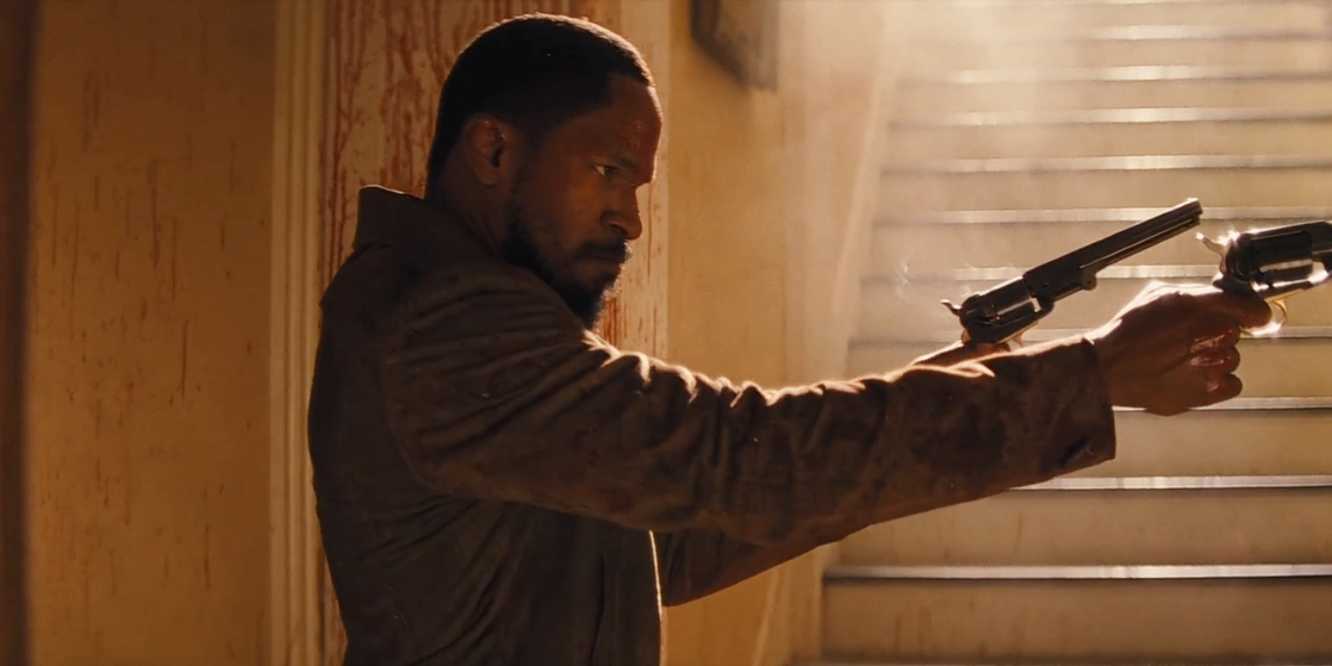
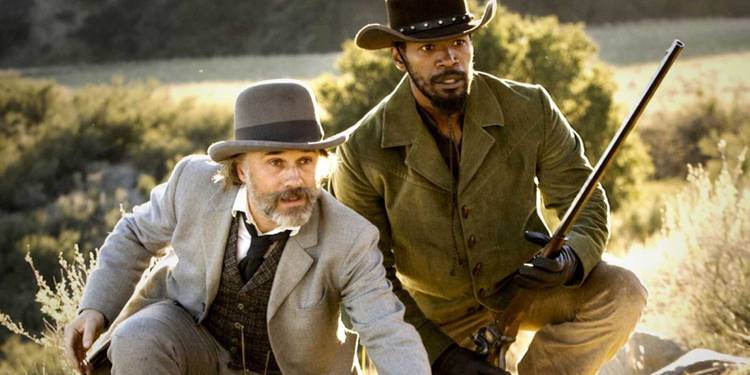
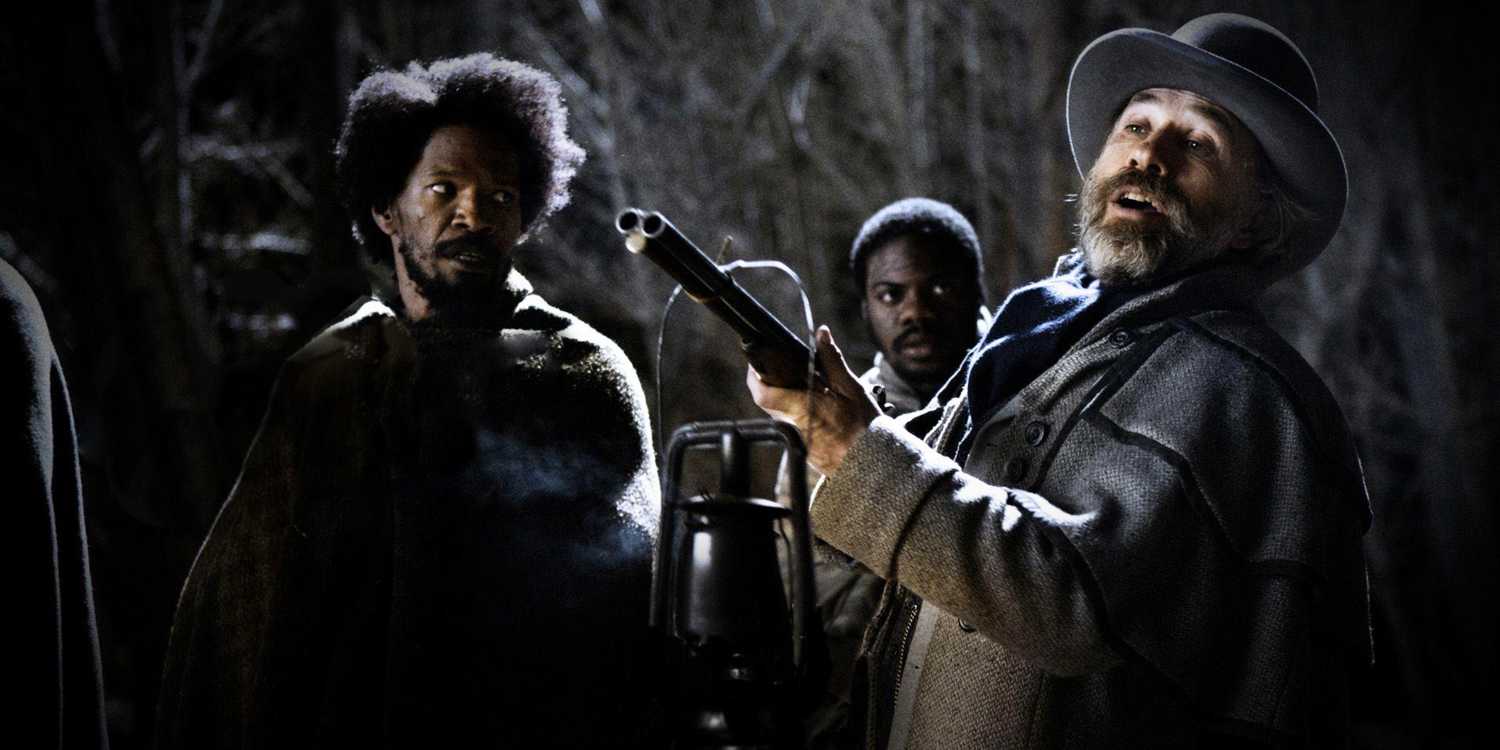
Unlike many traditional Westerns set in the American frontier, Django Unchained takes place in the antebellum South, two years before the Civil War. Its central character is Django (Jamie Foxx), an enslaved man whose life changes when he encounters Dr. King Schultz (Christoph Waltz), a German-born dentist turned bounty hunter.
Schultz offers Django his freedom in exchange for helping him identify and capture the notorious Brittle brothers. After completing the mission, the two men continue working together, with Schultz teaching Django the skills needed to become a bounty hunter in his own right.
But Django has a far more personal reason to keep fighting. His ultimate goal is to find and rescue his wife, Broomhilda von Shaft (Kerry Washington), who has been separated from him through the slave trade.
Their search leads them to the plantation of Calvin Candie (Leonardo DiCaprio), a ruthless owner whose estate, Candyland, is built on the exploitation and brutal treatment of enslaved people. As Django and Schultz attempt to reach Broomhilda, they must conceal their intentions while navigating a dangerous household where suspicion can quickly turn deadly.
The film’s most striking imagery reflects the cruelty of this world. One particularly memorable moment sees a villain’s blood splattered across a cotton field, turning a familiar Southern landscape into a disturbing visual statement.
Tarantino also draws on a wide range of cinematic traditions. The film’s influences include the socially conscious Western Buck and the Preacher, starring Sidney Poitier, as well as the contrasting historical portrayals of slavery found in Gone with the Wind and The Birth of a Nation. Rather than following a single genre formula, Django Unchained brings these references together in a story that is both an action-packed Western and a pointed examination of America’s history.
The Forgotten Spaghetti Western Hero Behind Django
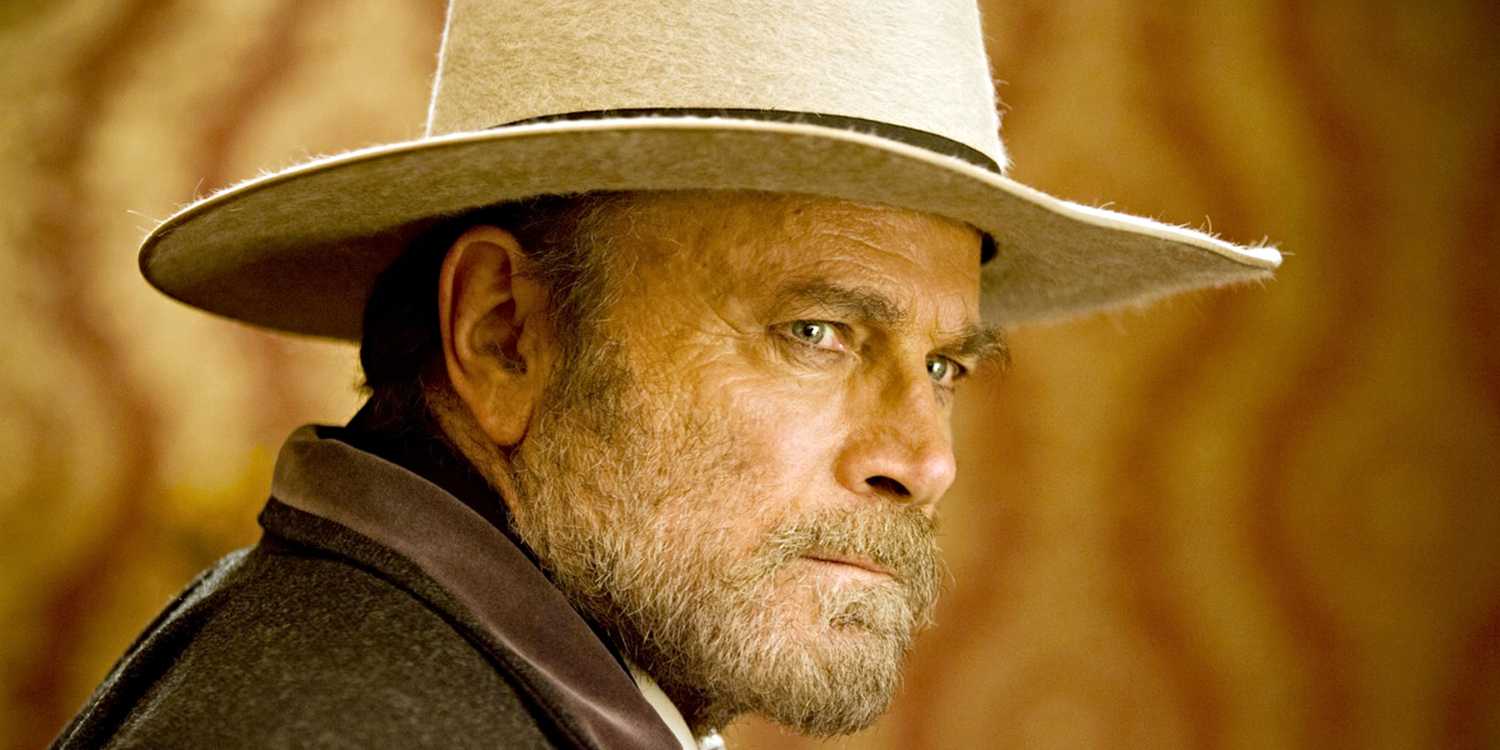
The character’s name is no coincidence. Tarantino’s film is closely connected to Corbucci’s Django, the 1966 spaghetti Western that made Franco Nero an international star.
Set in a Mexican border town, the original follows a cynical Union veteran caught between Mexican revolutionaries and Confederate gangs determined to preserve their old ideology. Its graphic violence became so controversial that the film was refused a UK classification, adding to its reputation as one of the more extreme Westerns of its era.
Tarantino’s admiration for Corbucci played a direct role in the development of his own film. While working on a book-length piece of film criticism about the Italian director, he began considering how the Django character could be reimagined within a story about slavery and the American South. He also wanted to create a new kind of Black folk hero within the Western tradition.
The connection is made explicit through a brief appearance by Franco Nero in the second half of Django Unchained. The original Django and Jamie Foxx’s version even share a scene, offering a playful acknowledgement of the character’s cinematic history.
The Django name had already developed a life of its own long before Tarantino’s film. Following the success of the 1966 original, numerous unofficial productions borrowed the character’s identity and the image of a violent, wandering gunslinger. The figure also reached beyond Italian cinema, inspiring international interpretations, including Japanese filmmaker Takashi Miike’s Sukiyaki Western Django, in which Tarantino himself makes an appearance.
For Tarantino, however, the character represented more than an opportunity to revisit an old Western icon. He wanted to reshape that familiar archetype into a Black hero whose journey was driven by the struggle to reclaim his freedom and reunite with the woman he loved.
A Revenge Western With a Stronger Social Dimension
Tarantino’s treatment of race and slavery has been a subject of debate throughout his career. His films have frequently drawn criticism for their use of racial slurs and provocative depictions of violence. Django Unchained approaches similarly difficult territory, but its central perspective gives the story a different emotional foundation.
In his 2022 book Cinema Speculation, Tarantino reflected on his long-standing interest in exploitation cinema, including films featuring Black performers in stories that used familiar action and Western conventions to explore racial injustice. He had spent years studying movies that were often dismissed as low-budget entertainment, approaching them with the same attention he gave to more celebrated works.
Blaxploitation cinema was particularly influential in this respect. The genre created space for Black characters to take leading roles in crime films, action adventures and Westerns, with performers such as former NFL players Jim Brown and Fred Williamson becoming prominent stars. Pam Grier, one of Tarantino’s favourite actresses, also appeared in numerous films from this tradition before later starring in his Jackie Brown.
Django Unchained carries elements of that legacy into a much larger production. Its protagonist is a Black man who takes control of his own story, becoming a bounty hunter and confronting the men responsible for separating him from his wife.
The film also draws on the German folk legend of Siegfried, while Tarantino once considered a possible follow-up that would bring Django together with an older Zorro. That idea eventually developed into a comic-book story rather than a feature film.
Not everyone embraced the director’s approach. His use of familiar Western imagery, racial language and elements of Black cultural history generated further criticism, including objections from filmmaker Spike Lee. Nevertheless, the film occupies a distinctive place in Tarantino’s career: it combines his affection for exploitation cinema with a story centred on a character seeking freedom, justice and the chance to be reunited with his family.
Ultimately, Django Unchained is more than a conventional shoot-’em-up. It is a sprawling revenge story, a love story and an affectionate tribute to the spaghetti Western and Blaxploitation traditions that helped shape Tarantino’s cinematic imagination.