The Coen Brothers’ True Grit Remake Is One of the Greatest Westerns of the 2010s — And It Surpasses the John Wayne Original
Remaking a beloved Western is no easy task, especially when the original stars John Wayne and remains one of the best-known films of his career. Yet Joel and Ethan Coen managed to do something few filmmakers achieve: take a familiar story, reshape its emotional focus and deliver an adaptation that many viewers consider superior to the original.
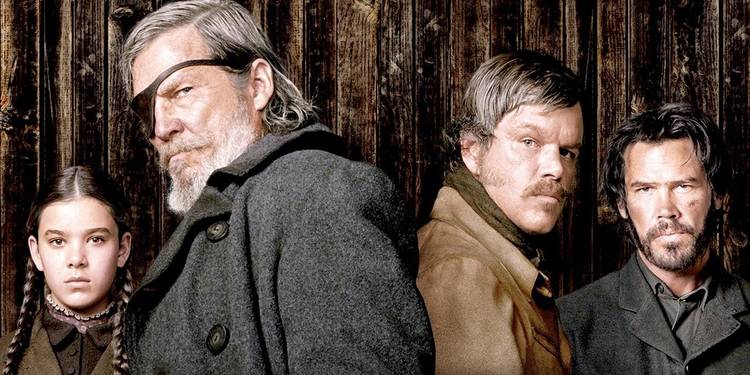
Released in 2010, True Grit brought together Jeff Bridges, Matt Damon and Hailee Steinfeld in a powerful Western that combines outstanding performances, striking cinematography and the Coen Brothers’ distinctive blend of dark humour and emotional depth. Nearly 16 years later, the film remains a standout of modern Western cinema and a strong contender for one of the genre’s finest entries.
How the 2010 True Grit Improved on the Original
Both versions of True Grit are based on Charles Portis’ novel, but the story first reached cinemas in 1969, with John Wayne playing the hard-drinking U.S. Marshal Rooster Cogburn.
The original was a commercial success and earned Wayne his only Academy Award for acting. His portrayal of Cogburn is often regarded as one of the stronger performances of his career. However, the film has not aged as well as some of his other Westerns, including Stagecoach and The Searchers.
Beyond Wayne’s presence and the strength of Portis’ source material, the 1969 adaptation has several weaknesses. Some of the supporting performances are less convincing, with Glen Campbell’s turn drawing particular criticism. Its pacing also lacks the effectiveness of Wayne’s more celebrated Westerns, leaving the film feeling relatively ordinary despite its memorable leading character.
More than four decades later, the Coen Brothers revisited the material with a fresh perspective. Their 2010 adaptation gave Rooster Cogburn a film that fully explored the character while creating a richer experience around him.
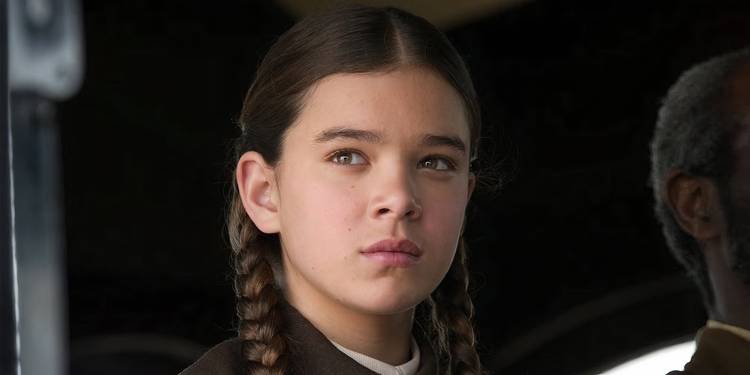
Bridges delivers an impressive performance as the rough-edged, alcoholic marshal, while Damon and Steinfeld provide equally compelling support. The chemistry between the three leads gives the story a different emotional texture, shifting attention away from the traditional excitement of frontier adventure and towards the loneliness, hardship and melancholy of life in the American West.
Roger Deakins’ cinematography further strengthens the film’s atmosphere, while the Coens’ dialogue brings together biting humour, moments of sadness and emotional intensity. The result is a Western that feels both entertaining and deeply affecting.
The Coen Brothers Bring a Different Kind of Western to the Screen
The filmmakers behind Fargo and No Country for Old Men have a distinctive approach to storytelling, and that sensibility makes them particularly well suited to the Western genre.
Their films often find humour in bleak circumstances without overlooking the sadness and uncertainty beneath the surface. In True Grit, that contrast is central to the experience. Moments of wit sit alongside violence, grief and the harsh realities of frontier life.
The Coen Brothers have explored Western themes in several different ways throughout their careers, including the anthology film The Ballad of Buster Scruggs. Their work demonstrates how the genre can move beyond familiar gunfights and heroic adventures to examine human vulnerability, morality and the consequences of difficult choices.
Although they have not made as many Westerns as their filmmaking careers might suggest, True Grit remains one of their most accomplished contributions to the genre.
The Most Important Decision: Making Mattie Ross the Heart of the Story
One of the remake’s defining strengths is a creative choice that fundamentally shapes the entire film: the Coen Brothers never allow Rooster Cogburn to overshadow Mattie Ross.
Cogburn may be the most immediately recognisable character, but the story is ultimately told through Mattie’s determination and perspective. The 2010 adaptation remains faithful to that focus, placing her at the centre of the emotional journey rather than treating her as a supporting figure in the marshal’s story.
That decision also meant entrusting a demanding role to a relatively unknown 13-year-old actress. The film explores grief, loss and the fragility of life, requiring its young lead to carry some of its heaviest emotional moments.
Hailee Steinfeld proved more than capable. Her performance as Mattie is one of the film’s greatest achievements, combining intelligence, stubborn determination and emotional depth. At just 14, she received an Academy Award nomination for Best Supporting Actress, establishing herself as one of the film’s breakout performers.
Her work gives the story its emotional centre and ensures that Mattie’s journey remains every bit as compelling as Cogburn’s.
A Modern Western That Still Stands Out
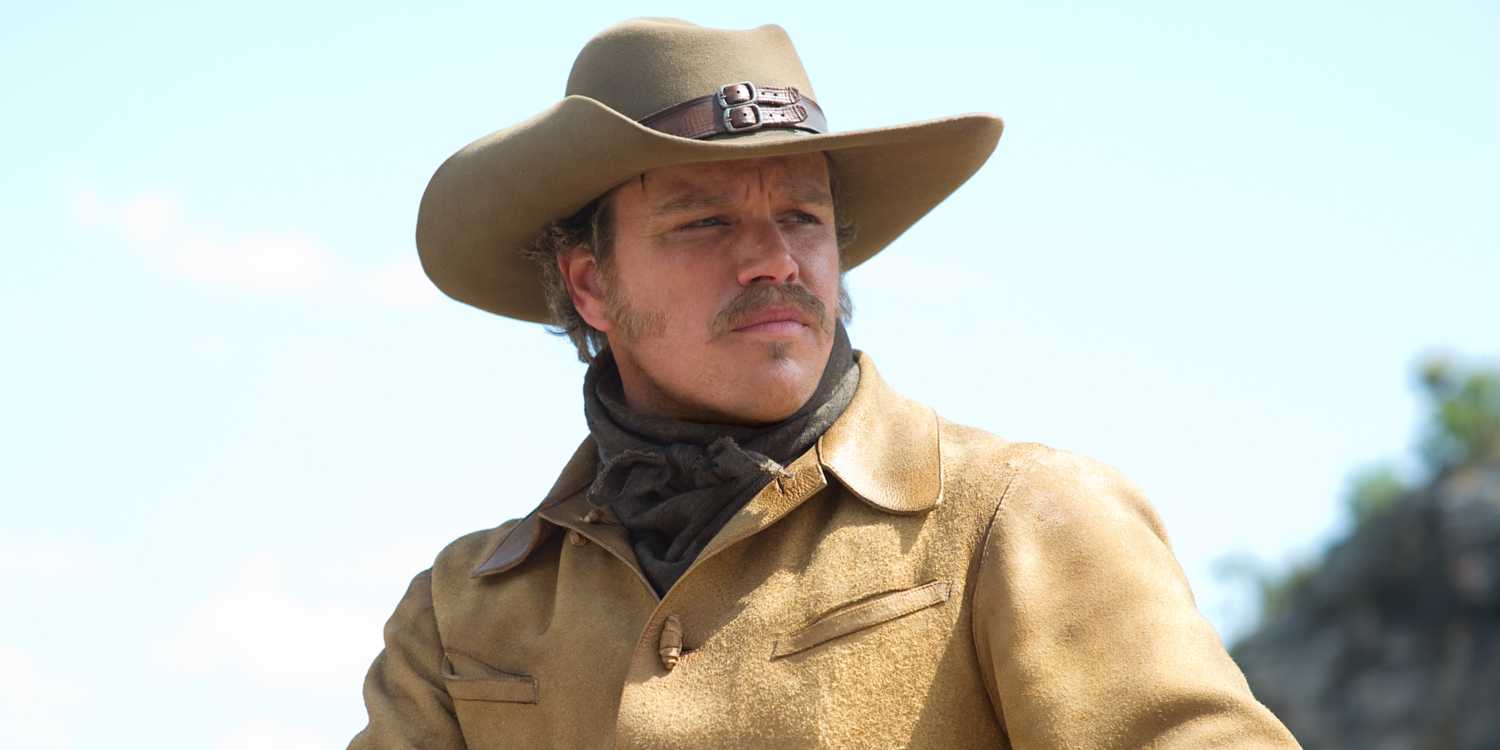
With Jeff Bridges leading a remarkable cast, Roger Deakins delivering breathtaking cinematography and the Coen Brothers bringing their unmistakable storytelling style, True Grit succeeds on multiple levels.
More importantly, its decision to place Mattie Ross at the heart of the narrative gives the familiar story a distinctive emotional perspective. Rather than simply recreating the 1969 film, the directors found new depth in the original material and created an adaptation with its own identity.
For fans of Western cinema, the 2010 True Grit is more than a successful remake. It is a memorable exploration of courage, grief and survival that stands among the most accomplished Westerns of the 21st century. Even viewers who were unimpressed by the John Wayne original may find plenty to appreciate in the Coen Brothers’ version.