Congratulations!
You've earned 1 point
Some Battles Don’t Have Winners — Only Legends: Brian May vs Jimi Hendrix and the Guitar Debate That Will Never Die

It’s the argument that refuses to fade, whispered in record stores, shouted in comment sections, and debated late into the night by rock fans who swear they know the answer. Two guitars. Two visions. One impossible question: Brian May or Jimi Hendrix? Decades after their greatest moments, the debate still ignites passions — not because one is better, but because they represent two radically different souls of rock music.
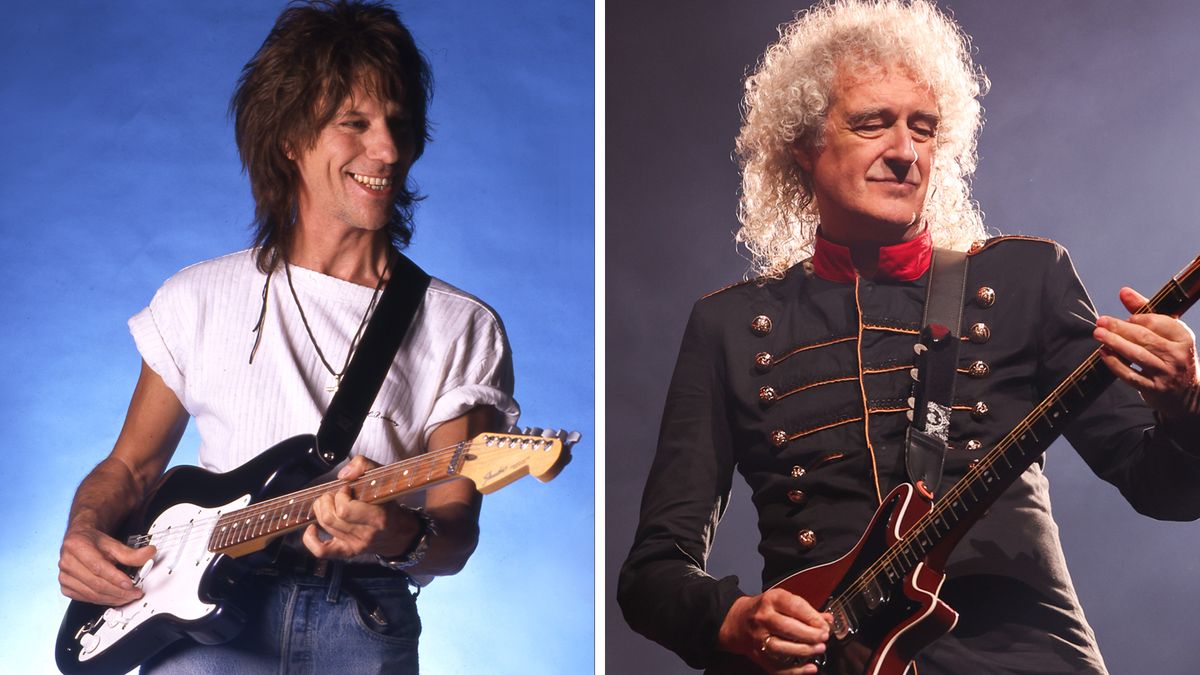
Brian May never simply played the guitar. He engineered universes with it. Armed with his homemade Red Special — built with his father using scraps and imagination — May crafted a sound so layered and expansive it felt orchestral. His solos weren’t explosions; they were journeys. Each note carefully placed, each harmony stacked with almost scientific precision, creating songs that felt monumental, timeless, and impossibly grand. Where others chased volume, May chased architecture. He turned one guitar into a choir, proving that restraint and structure could hit just as hard as raw power.
Fans describe his playing as cinematic — not just heard, but experienced. From the soaring emotion of “Bohemian Rhapsody” to the controlled fire of “We Will Rock You,” May’s genius lies in his ability to make complexity feel beautiful. His guitar didn’t scream; it spoke in paragraphs, telling stories that unfolded slowly, deliberately, and memorably.
Then there’s Jimi Hendrix — the man who set the rulebook on fire and played the ashes. Hendrix wasn’t interested in structure. He was interested in moments. His guitar felt alive, unpredictable, dangerous. Feedback became a weapon. Distortion became a language. Every performance carried the sense that something could go wrong — and that’s exactly what made it thrilling. Hendrix didn’t sculpt sound; he summoned it, pulling emotion straight from the air and hurling it into the crowd.

Where May layered, Hendrix detonated. Where May planned, Hendrix felt. His playing was chaos with a pulse, electricity barely contained. Audiences didn’t just listen — they braced themselves. Watching Hendrix was like standing too close to a lightning strike: beautiful, terrifying, unforgettable.
That’s why this matchup fascinates fans endlessly. It’s not about speed, technique, or technical superiority. It’s a clash of philosophy. Brian May represents mastery through design — the belief that greatness is built carefully, piece by piece. Jimi Hendrix represents freedom through risk — the idea that the most powerful art comes from surrendering control.
One feels like a cathedral: enduring, majestic, awe-inspiring.
The other feels like a thunderstorm: brief, violent, and burned into memory.
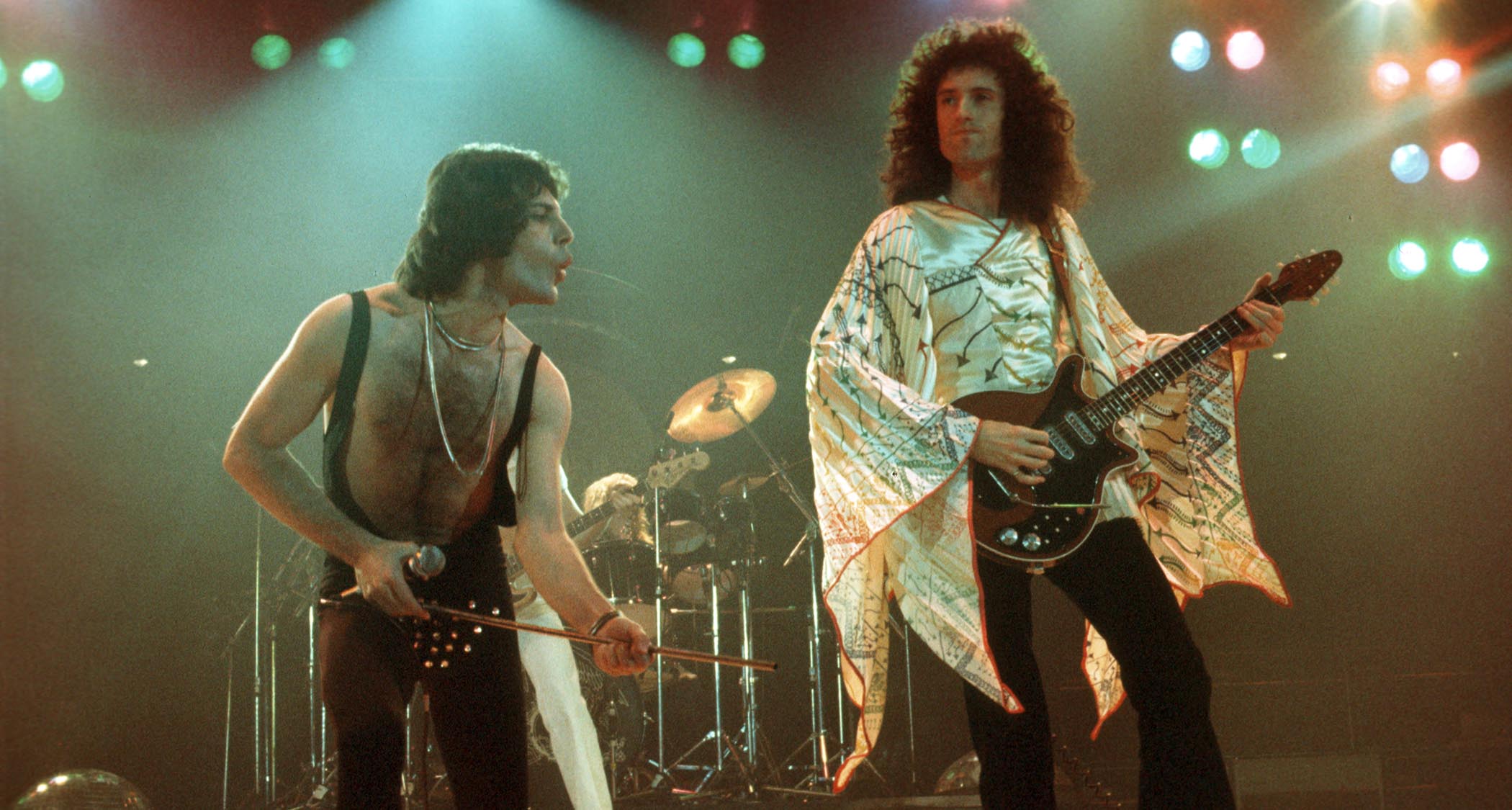
The truth? Neither could replace the other. Brian May couldn’t have been Hendrix — the 1960s demanded danger and rebellion. Hendrix couldn’t have been May — Queen’s symphonic ambition required patience and precision.
Two legends. Two paths. One undeniable fact: rock greatness doesn’t have a single sound — but it always leaves the world electrified.