The Hidden Meaning Behind Royal Baby Names — And Why Almost Every Name Tells a Family Story

When a new baby is welcomed into the British Royal Family, the name announcement often becomes almost as anticipated as the arrival itself. While some royal parents have embraced more modern choices in recent years, many royal children continue to receive multiple given names — and behind those names are often tributes to beloved relatives, historic figures and important family connections.
Looking at Queen Elizabeth II’s great-grandchildren reveals a fascinating pattern: royal baby names are rarely chosen without meaning. Instead, parents frequently use them as a way of carrying family history into the next generation.
Prince William and Princess Kate’s children are a perfect example
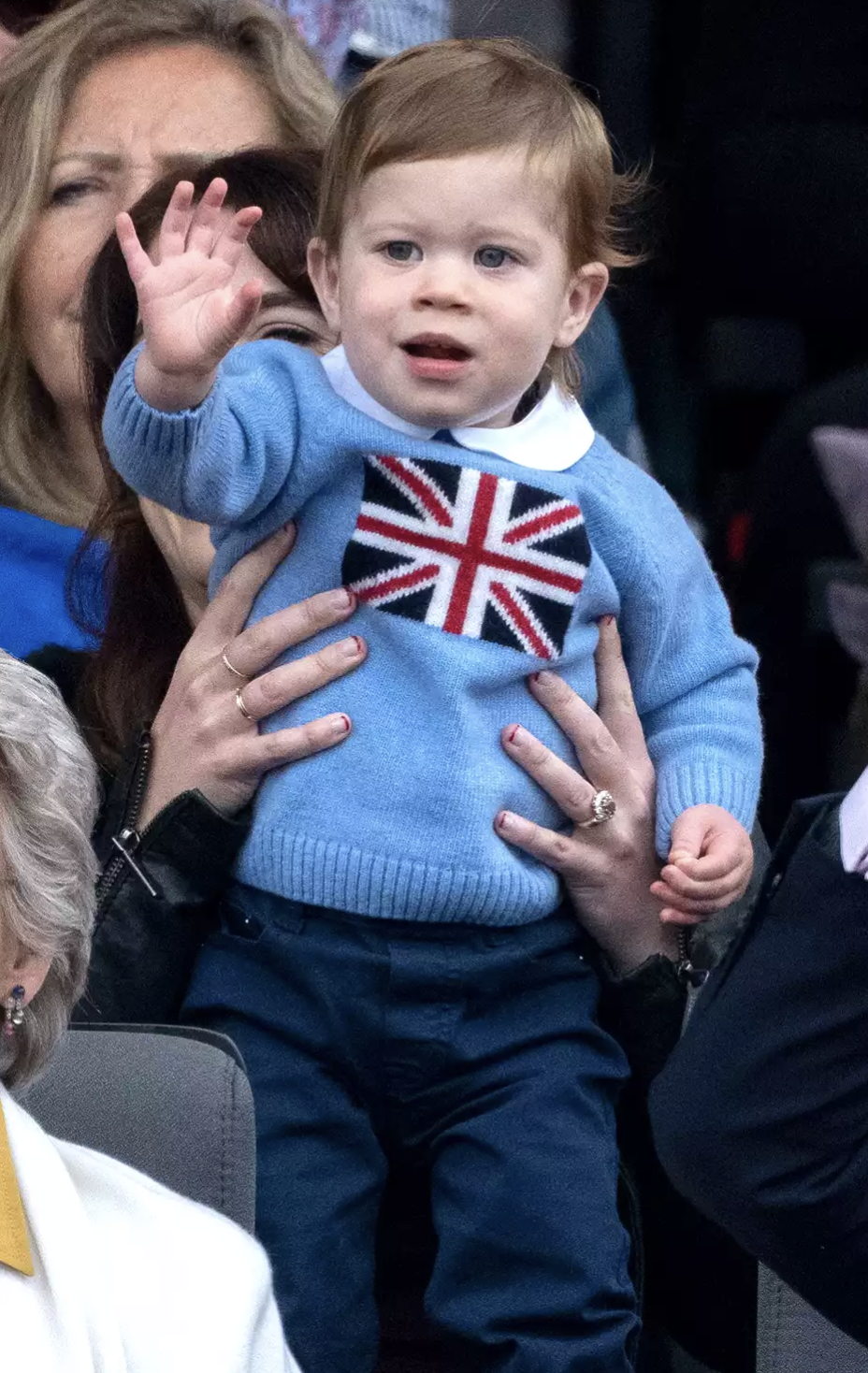
Prince George’s full name is George Alexander Louis. George has a long association with the British monarchy, while Alexander and Louis also have connections to the wider royal family.
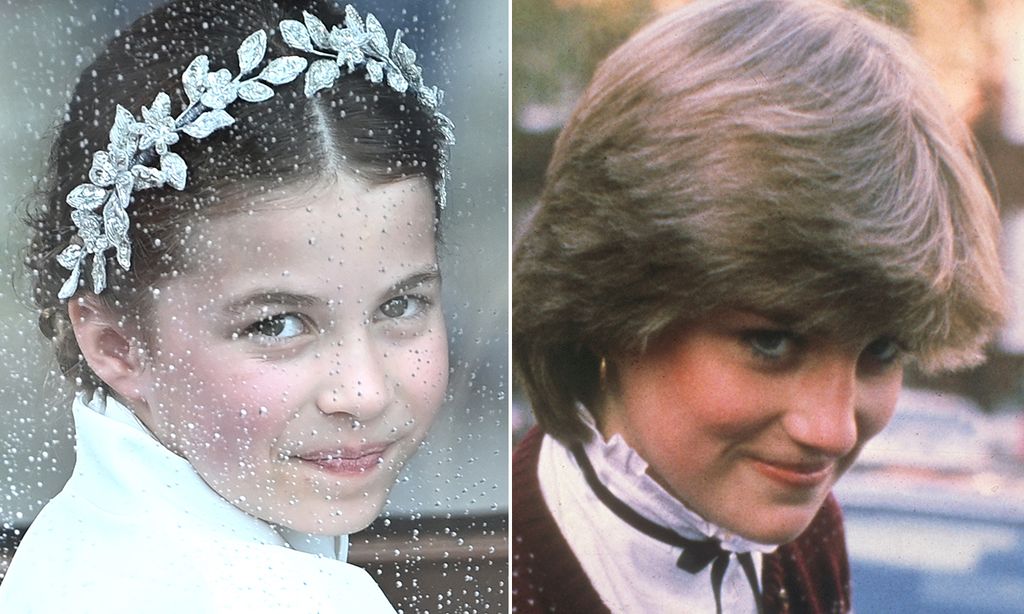
Princess Charlotte was given the full name Charlotte Elizabeth Diana, with Elizabeth paying tribute to her great-grandmother, Queen Elizabeth II, and Diana honouring William’s late mother, Princess Diana.
Prince Louis, meanwhile, was named Louis Arthur Charles, with Charles carrying an obvious connection to his grandfather, the future King Charles III.
Together, the three names demonstrate how William and Kate have combined traditional royal names with deeply personal family tributes.
Harry and Meghan chose a more personal approach
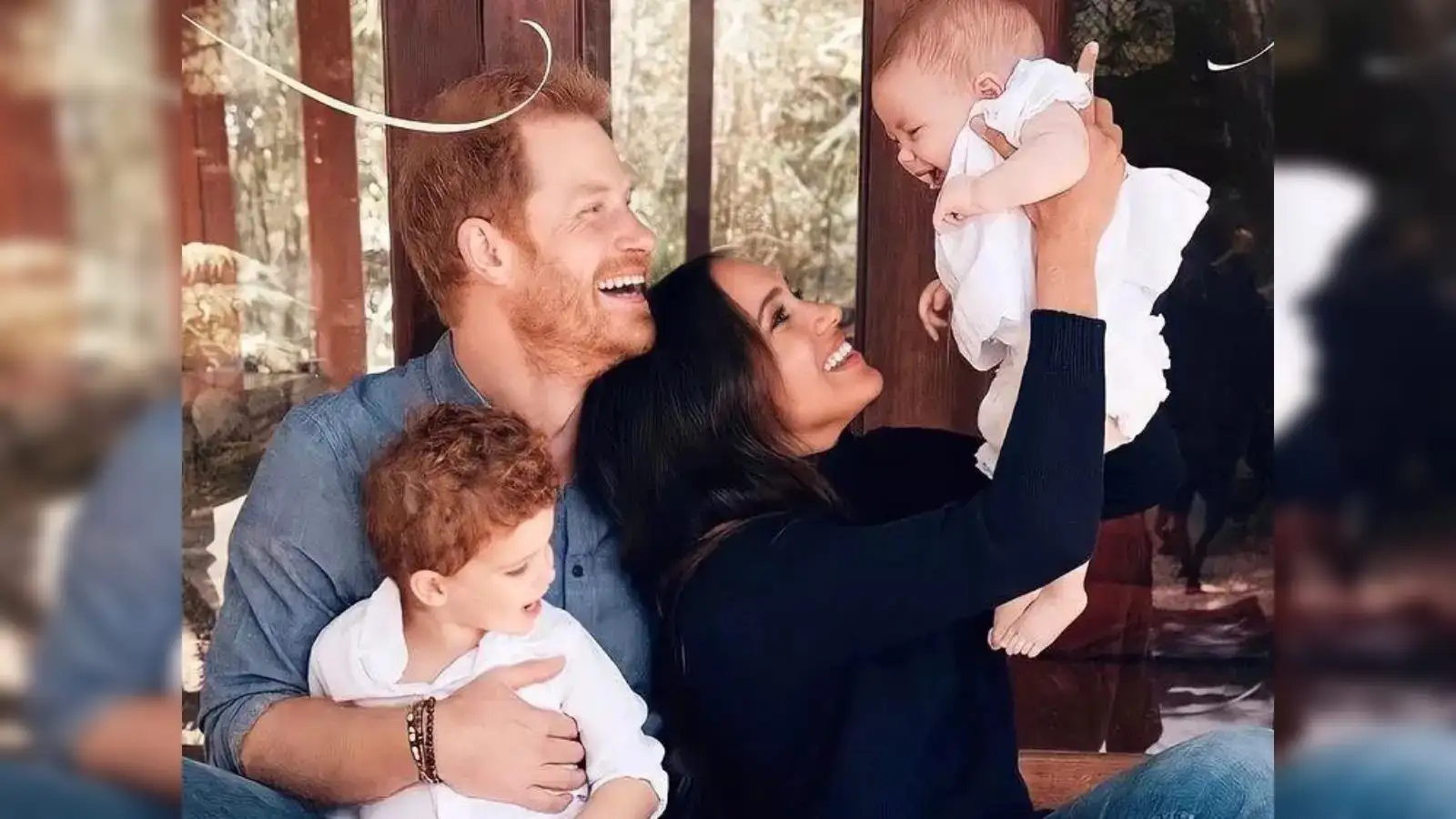
Prince Harry and Meghan Markle took a somewhat different route with their children.
Their son was named Archie Harrison, a choice that stood out for its more modern feel compared with many traditional royal names.
Their daughter, Lilibet Diana, carries two particularly significant tributes. Lilibet was Queen Elizabeth II’s intimate family nickname, while Diana honours Harry’s mother.
The choice therefore connected their daughter directly to two hugely important women in Harry’s life.
Elizabeth remains one of the most treasured royal names
The late Queen Elizabeth II’s influence can be seen throughout the younger generations of the family.
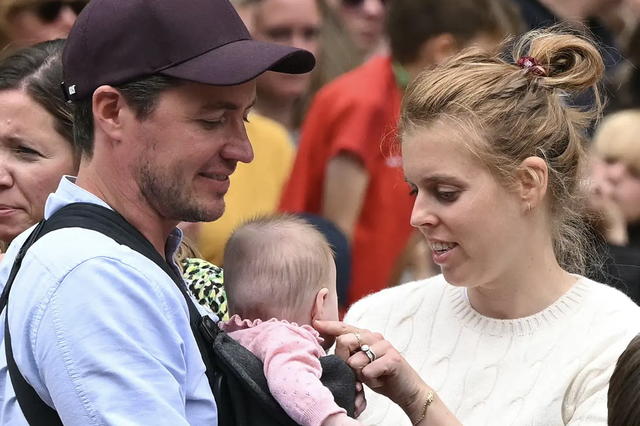
Princess Beatrice’s daughters, Sienna Elizabeth and Athena Elizabeth Rose, both carry Elizabeth as a middle name, providing a direct tribute to their great-grandmother.
Princess Eugenie’s daughter, Adelaide Elizabeth Annina Brooksbank, also carries Elizabeth as a tribute to the late monarch, while Adelaide and Annina have their own personal significance for the family.
Other royal children have similarly meaningful connections in their names.
Zara Tindall’s son Lucas Philip honours his great-grandfather, Prince Philip. Eugenie’s sons August Philip Hawke and Ernest George Ronnie also contain names connected to members of the family and people close to their parents.
Even when the first names are more contemporary, traditional middle names often preserve those royal connections.
A name can become a piece of royal history
That is perhaps what makes royal baby names so fascinating.
For the British Royal Family, choosing a name is often about much more than finding something that sounds beautiful. A child’s full name can carry the memory of a grandparent, great-grandparent, monarch or close friend — creating a connection between generations.
It also explains why royal fans pay such close attention whenever a new baby arrives. The name can reveal who the parents want to honour and which family relationships remain especially meaningful.
From George and Charlotte to Lilibet and Philip, each name adds another small chapter to the family’s extraordinary history.
And perhaps that is the most enduring tradition of all: royal names do not simply identify the next generation — they keep the previous generations alive.