One of the Best War Thrillers of All Time Has Arrived on Netflix, and Its Message Still Resonates
Few films about war are content simply to revisit history. The most effective ones force audiences to confront what people are capable of doing to one another, and why the same patterns can emerge again. James Vanderbilt’s 2025 historical thriller Nuremberg takes that approach, revisiting one of the most consequential trials in modern history and asking a deeply uncomfortable question: what prevents history from repeating itself?
The film is now available on Netflix, giving it a much wider audience than it had during its theatrical run. While Nuremberg may not reinvent the historical-thriller formula, its subject matter and central argument give it considerable weight.
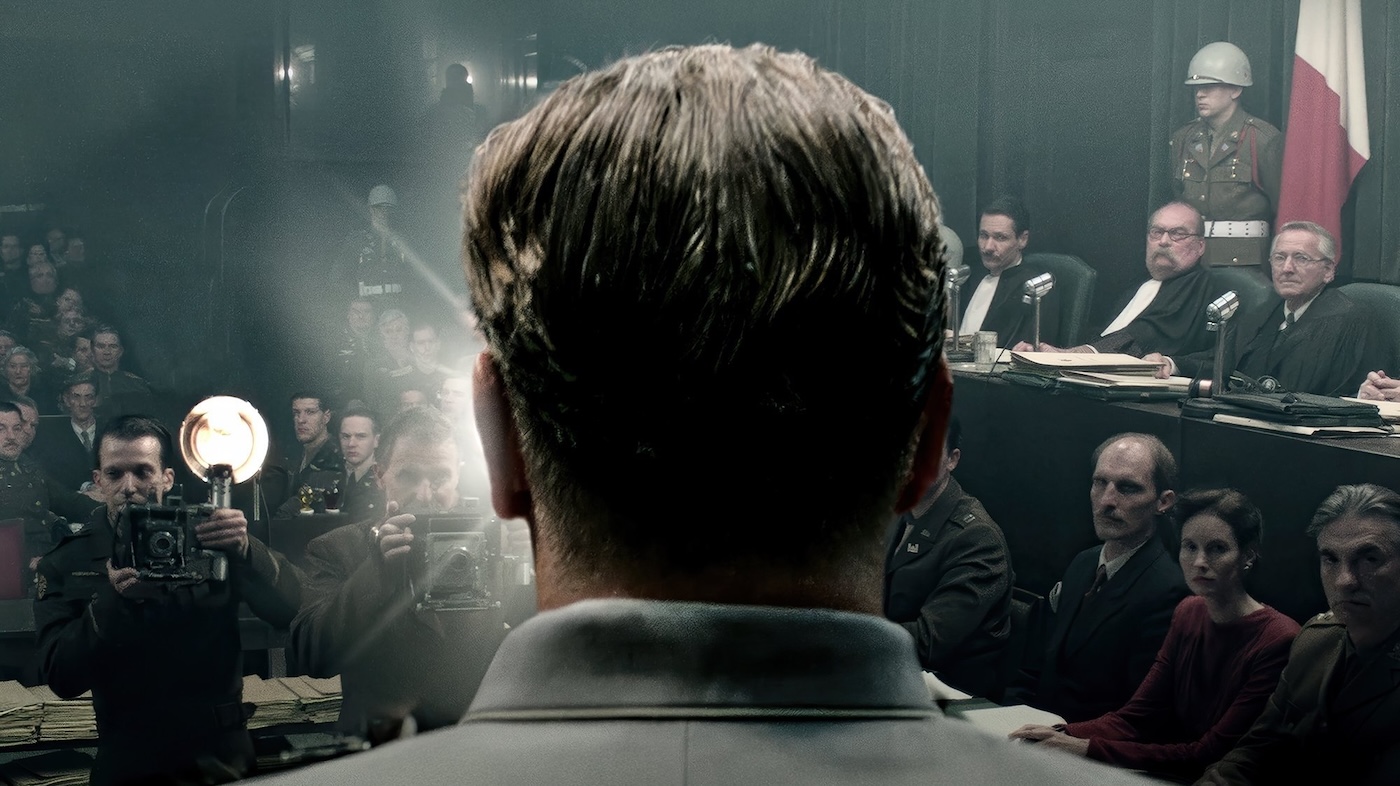
A Psychological Battle at the Nuremberg Trials
Nuremberg tells the true story of Douglas Kelley, a psychiatrist recruited to evaluate the mental condition of senior Nazi officials imprisoned during the Nuremberg war crime trials.
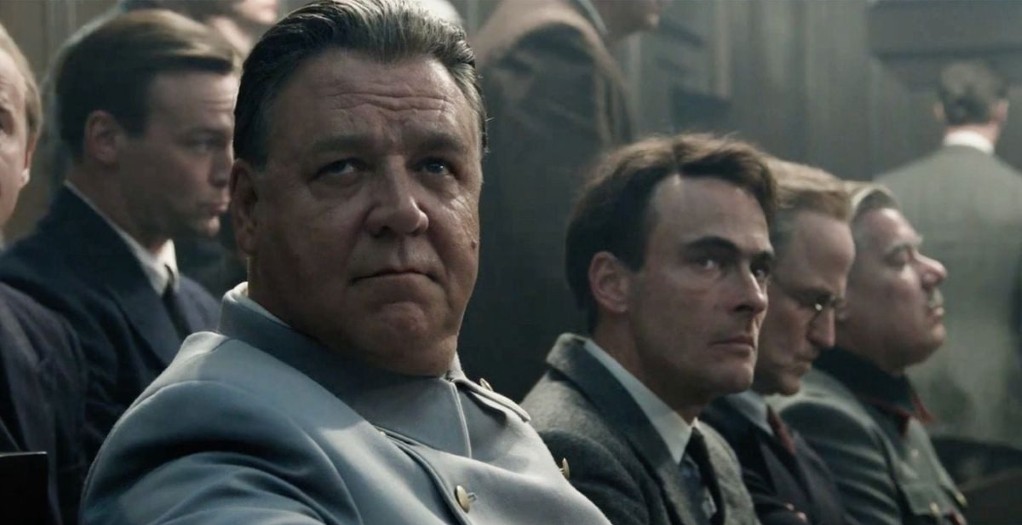
Rami Malek plays Kelley, whose work brings him into close contact with Hermann Göring, portrayed by Russell Crowe. Göring was the second-highest-ranking Nazi official and one of the most prominent defendants at the trials.
The relationship between Kelley and Göring becomes the film’s central dramatic thread. Kelley is fascinated by Göring’s intelligence and charisma, and his professional relationship with the Nazi leader gradually becomes more personal. Kelley connects with Göring’s family and even entertains him with close-up magic tricks, an unusual detail that becomes part of their increasingly complicated dynamic.
The film earned more than $50 million at the box office against a reported $10 million budget, making it a modest commercial success. Critics gave it a 72 percent rating on Rotten Tomatoes, while audiences responded far more enthusiastically, giving the film a remarkable 95 percent score.
That gap between the critical and audience responses is revealing. The movie’s filmmaking may not be especially groundbreaking, but its subject and underlying message clearly connected with viewers.
Why the Nuremberg Trials Still Matter
The historical importance of the Nuremberg trials extends far beyond the individual Nazi leaders who stood before the court.
After Germany surrendered, the U.S. government initially favored executing the leading Nazi figures. Others argued that the defendants should instead face an international trial, helping establish a broader system of international justice.
That decision had lasting consequences. By putting Nazi leaders on trial publicly, the proceedings brought the crimes of the regime, particularly the Holocaust, into international view. They also helped establish a precedent for holding leaders accountable for aggressive acts of war and other serious international crimes.
Nuremberg places that history at the center of its story, but it is also interested in something more personal: how easily people can become fascinated by those responsible for terrible acts.
The Dangerous Appeal of Hermann Göring
Kelley’s relationship with Göring illustrates one of the film’s most unsettling ideas.
At first, Kelley is captivated by Göring’s intelligence. As their interactions continue, he begins to entertain the idea that the Nazi leadership may have been less directly responsible for the atrocities committed under its rule. Göring and the other defendants could portray themselves as men who were merely following orders, supposedly unaware of what was happening inside the concentration camps.
That argument was false, but the film uses Kelley’s growing fascination with Göring to explore how easily such rationalizations can take hold.
The people responsible for atrocities have powerful incentives to minimize their own responsibility, and Nuremberg suggests that they can go to extraordinary lengths to construct explanations that make their actions appear less monstrous.
That idea is not confined to Nazi Germany. The film also points toward other historical examples of governments committing atrocities, including the American government’s use of internment camps.
The Film’s Final Warning
The psychological consequences of Kelley’s encounters with the Nazi defendants eventually catch up with him.
By the end of Nuremberg, Kelley has been deeply traumatized by what he witnessed and experienced during the trials. He attempts to process those experiences by writing about them in a book, but his reflections ultimately lead him to a disturbing conclusion.
There is nothing uniquely monstrous about Göring or the other Nazis that makes their crimes impossible for ordinary human beings to repeat. Their punishment, by itself, cannot guarantee that another fascist regime will never rise.
The film makes that point explicitly through onscreen text, leaving little room for ambiguity about its intended warning.
The message is familiar from many films dealing with Nazi Germany, but that does not make it less important: atrocities can happen again, and preventing them requires action before they become entrenched.
Why Nuremberg Matters Right Now
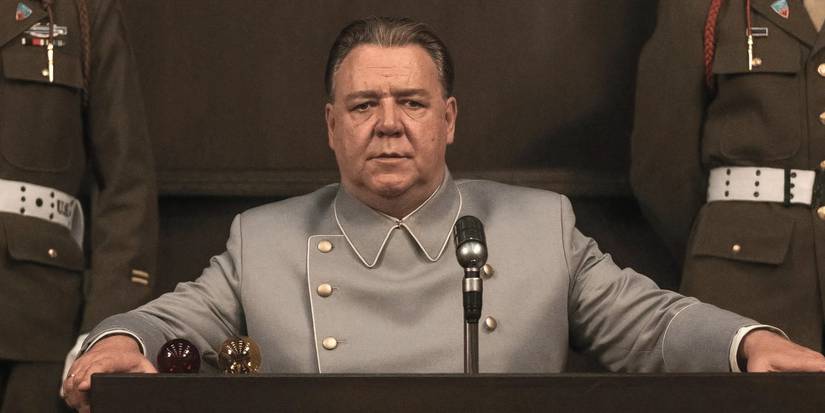
The timing of Vanderbilt’s film is significant. The Nuremberg trials represented an attempt to establish that political leaders could be held accountable for the destruction they inflicted on others. The principles behind those proceedings remain relevant in an era when far-right political movements have gained prominence and concerns about fascism continue to surface.
Nuremberg does not argue that the world has permanently learned the lessons of the past. Instead, it suggests that the safeguards established after World War II only matter if people continue to defend them.
That makes the film more than a historical recreation of a famous trial. Its story is ultimately about responsibility, denial and the danger of assuming that societies are somehow immune to the forces that produced the horrors of the past.
Now that Nuremberg is available on Netflix, the film is easier to see than it was during its theatrical release. For viewers interested in historical dramas and war thrillers, it offers a reminder of why the Nuremberg trials mattered in the first place, and why the lessons they left behind remain worth remembering.