Inside the Only Connect Series 18 final: What a former champion revealed about the show
For Only Connect contestants, reaching the final is an achievement in itself. But according to a former champion who experienced the show from inside the studio, the competition can look very different when you are sitting behind the desk rather than watching from home.
The BBC Two quiz has built a reputation for fiendishly difficult questions, obscure connections and puzzles that often reward lateral thinking as much as specialist knowledge. Its format consists of four rounds: Connections, Sequences, the Connecting Wall and Missing Vowels.
There is no cash prize for winning. Instead, contestants compete for a trophy, bragging rights and the opportunity to return for another episode.
For those who make it to the later stages, however, the experience can be considerably more intense than it appears on screen.
A quiz built around connections, not just knowledge
Each round of Only Connect demands a different kind of reasoning.
In Connections, teams are shown apparently unrelated clues and must identify what links them. In Sequences, they have to work out what should come fourth.
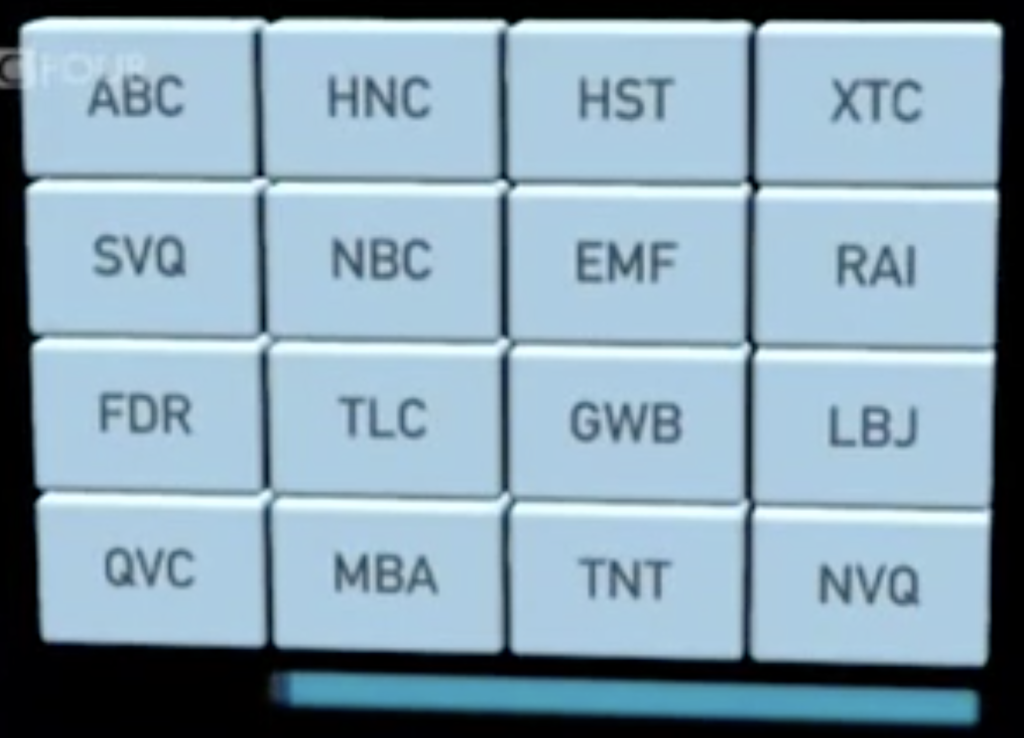
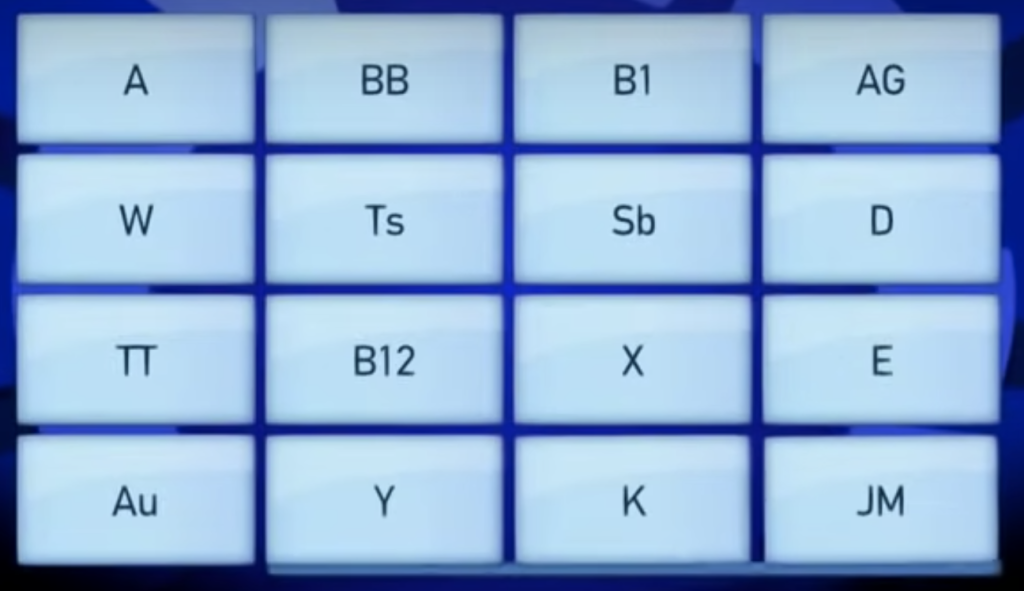
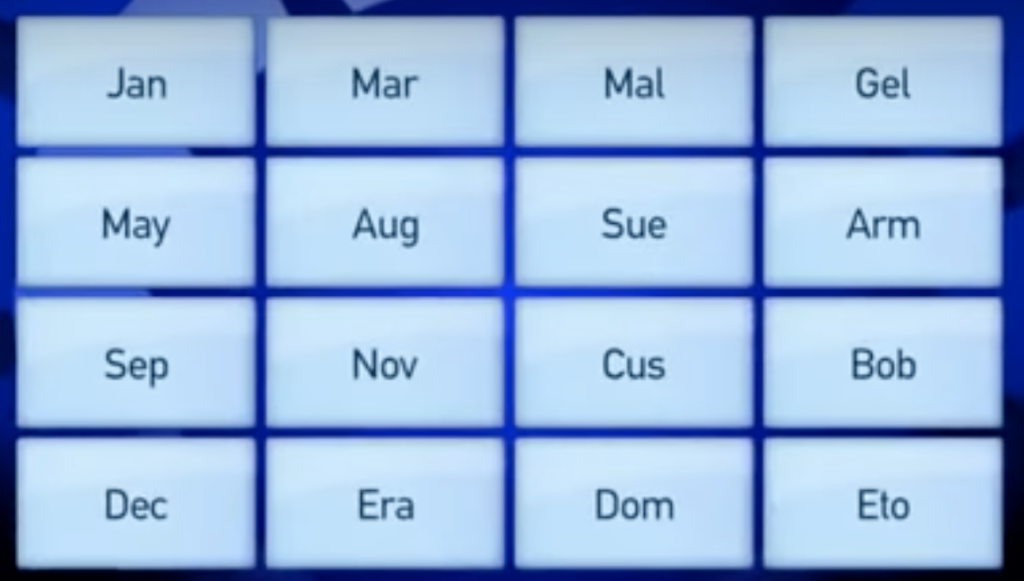
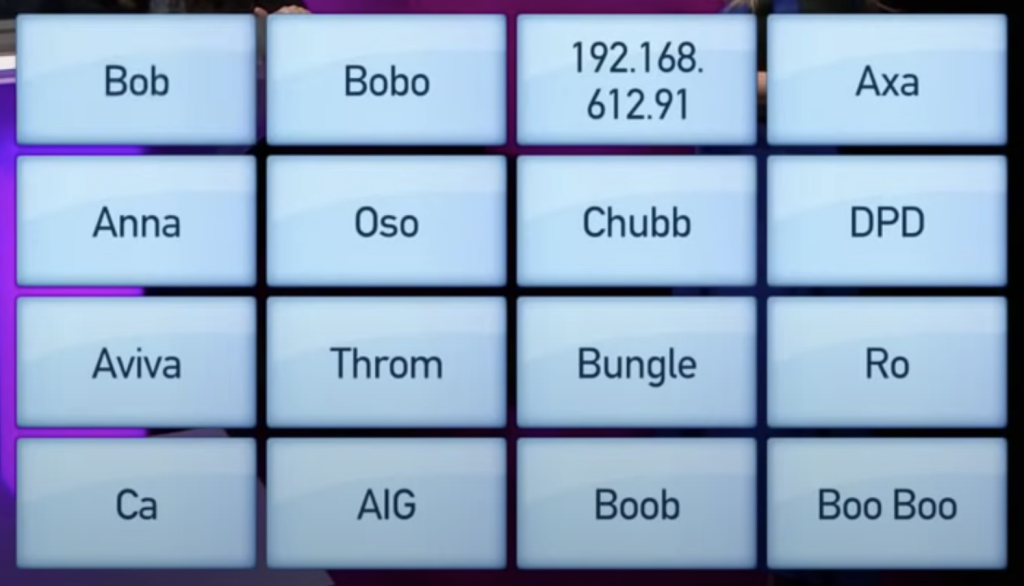
The third round is the Connecting Wall, where 16 clues must be divided into four groups of four, with a connection identified for each group.
The final round is Missing Vowels. Here, vowels are removed from words or phrases and the spaces are altered, with teams having to work out the answers from groups of four connected clues.
Although the programme can require a formidable amount of general knowledge, knowing obscure facts is not always enough. Many questions can be solved by recognising a partial connection or working out the answer from the clues available.
That makes educated guessing and the ability to recognise an opportunity particularly important.
The show has also embraced its deliberately obscure image. Early series used Greek letters to label questions, but after complaints that the format felt pretentious and elitist, the programme switched to Egyptian hieroglyphs — initially as a joke, but a joke that ultimately became one of the show’s defining features.
The long road to becoming a champion
The former contestant behind the account was part of Puzzle Hunters, the team that won Series 16.
Getting onto the programme was far from straightforward.
Puzzle Hunters applied repeatedly, including for Series 4, 5, 6, 7, 10, 12 and 15. On two occasions, Series 5 and Series 12, they passed the written test but were unsuccessful at the filmed audition stage.
When they finally made it onto the show, their eventual success was described as a combination of perseverance, ability and, importantly, luck.
That last factor can have a significant influence on how far a team progresses.
How much does luck matter?
The first two rounds offer five points for answering after seeing just one clue. Sometimes that first clue provides almost nothing to work with — it could be a single word or number that gives little indication of the eventual connection.
Other times, however, a single clue can be enough for a team to see the answer immediately.
There is also an unavoidable element of chance in the way the questions are distributed. The first two rounds contain six separate questions, with teams taking turns. A team might therefore receive three subjects it knows very little about while its opponents happen to get three areas in which they are particularly strong.
Even if the opposing team does not score heavily, that still means the other side has lost the opportunity to pick up those points themselves.
The same principle applies to the Connecting Wall. Each team tackles one of two walls, and although the question setters work hard to make them comparable in difficulty, achieving a perfect balance is impossible.
The tournament’s repechage system partly acknowledges this uncertainty. Teams that lose one of their first two matches can still have another opportunity to progress.
But this element of luck is not necessarily a flaw. In many ways, it is part of what makes Only Connect so enjoyable.
Viewers at home can imagine how many points they might have scored if every question had been available to them. They can also use the first Connecting Wall to get a sense of the kind of connections that might appear in the second.
Ultimately, though, luck only creates an opportunity. Teams still need the skill to recognise it and take advantage.
A quiz with a cult following
By the time the account was written, Only Connect was attracting around two million viewers a week in the UK, while also developing a dedicated following outside the country.
Its influence could even be seen in puzzle communities.
The show had appeared as a subject in US-based puzzle hunts, while journalist Benjamin Benoit once played along in French with more than a hundred Only Connect fans on his Twitch stream.
There was also the Connections Online Quiz League, where several hundred participants from the UK and US competed each week in a competition inspired by the Only Connect format. The league had its own teams of question writers and presenters.
It was a sign of how strongly the programme appealed to people who enjoy puzzles for their own sake.
Inside the Series 18 final
The Series 18 final was contested by Strigiformes and Crustaceans.
Before the match, the former champion had predicted that Crustaceans would win, describing them as one of the strongest teams seen in recent years and comparing them with the Series 14 champions, Dicers.
That prediction was not intended as a dismissal of Strigiformes. Their more difficult route to the final could, instead, have given them greater experience under pressure.
There was another unusual aspect to finals day: the two sides of the tournament draw were largely kept apart during filming.
Contestants might encounter teams from their own half of the draw in places such as the green room or hotel bar, but the opposing finalists could remain something of an unknown quantity until the final itself.
That means a team can arrive at the final with little idea whether its opponents have been narrowly winning their matches or dominating them.
In the case of Series 18, however, the filming schedule had been affected by Covid-19. Some episodes had already aired before the final was filmed, meaning the Dungeon Masters had unfortunately already seen the Puzzle Hunters in action — including a match in which they had scored particularly highly.
The Connecting Wall is a different kind of challenge
For many viewers, the Connecting Wall is among the most entertaining parts of a final because the categories can be exceptionally difficult to approach.
Past finals have featured walls containing:
- Large numbers of red herrings
- Words that look remarkably similar
- Numbers
- Three-letter acronyms
- Two-letter abbreviations
- Colours or words associated with colours
The challenge is not simply identifying four related clues. Teams must also determine which apparent connections are genuine and which have been deliberately planted to lead them in the wrong direction.
That makes the wall particularly difficult under time pressure.
A tense finish
The Series 18 final became especially dramatic because the scores were level after each of the first three rounds.
Everything therefore came down to the final Missing Vowels round.
From the studio, the experience was considerably more tense than it might have appeared to viewers at home. Watching a team work through a difficult Missing Vowels category is one thing; having to make those decisions yourself while the score is level is another.
The final was ultimately another example of what makes Only Connect so distinctive. The programme can appear almost playful from the sofa, but behind the desks, every clue represents an opportunity that may never come again.
And while luck can determine which opportunities a team receives, the pressure of the final still comes down to whether they can recognise the connection quickly enough.
Try Only Connect-style puzzles yourself
The former champion also created a small LiveCode application featuring questions inspired by the show’s format.
The exercises included Connections, where players had to identify the link between apparently random clues, and Sequences, where they had to determine what would come fourth.
As on the television programme, the scoring rewarded earlier breakthroughs: five points for solving a Connections or Sequences question from the first clue, followed by three points from the second and two from the third.
It is a fitting extension of a show whose appeal has never really been about prizes. Only Connect is built around the pleasure of spotting something that initially seems impossible — and the satisfaction of being right when the connection finally clicks.