‘YOU’RE A BIT HYSTERICAL!’ — GB NEWS BREXIT DEBATE ERUPTS AS LAILA CUNNINGHAM AND SCARLETT MCGWIRE TRADE FURIOUS BARBS
A heated GB News debate over Brexit descended into a personal war of words as Laila Cunningham and Scarlett McGwire clashed over immigration, youth mobility and whether the British public should get another say on the UK’s relationship with Europe.
The tension escalated on Friday, November 27, when presenter Martin Daubney challenged the panellists over Andy Burnham’s latest push for closer ties with the European Union.
Burnham had struck a new EU “reset” package at a Brussels summit, while arguing that rejoining the bloc without another referendum would be “unthinkable”. He had also suggested that every option should remain open, including going all the way back.
McGwire was quick to defend him, declaring: “I think he’s great.”
She insisted the discussion was not about surrendering Gibraltar or immediately reversing Brexit. But Daubney pointed to Burnham’s own comments, saying: “Burnham spoke about going back. He said, ‘Every option should be on the table, including going all the way.'”
McGwire stood by the position, arguing that the UK was nowhere near another general election and that any major change would require a manifesto. She also suggested that many Labour politicians did not want to reopen the Brexit debate.
Cunningham, however, was having none of it.
Cunningham turns the debate towards immigration

The discussion took a sharper turn when Cunningham questioned whether the proposed arrangements were really just about trade.
She argued that Burnham had been elected in Makerfield on the understanding that he would not reopen the Brexit debate, adding that his latest position sat uncomfortably with MPs who believed voters should have a say.
Then she raised the issue of youth mobility, challenging McGwire over proposals that could allow young Europeans to come to Britain.
“What does youth movement have to do with trade?” Cunningham demanded. She questioned why young people from overseas should be allowed to come to the UK, take university places and pay the same as British people.
McGwire countered that mobility provisions were already included in other trade agreements, pointing to deals with Australia and India.

But Cunningham was not convinced.
“So do you not think that should be in a manifesto?” she asked, arguing that migration was a major issue and that the British public deserved a say before further arrangements were made.
“Do you not think the British people should have a say as opposed to an unelected Prime Minister?” she added.
McGwire responded that the UK had negotiated other trade deals involving mobility without putting each one to a public vote.
When Cunningham demanded to know which agreements she meant, McGwire named India and Australia, before questioning why European mobility attracted such fierce opposition when Australians, New Zealanders and Canadians could also come to Britain.
‘Do not patronise me!’ — row turns personal
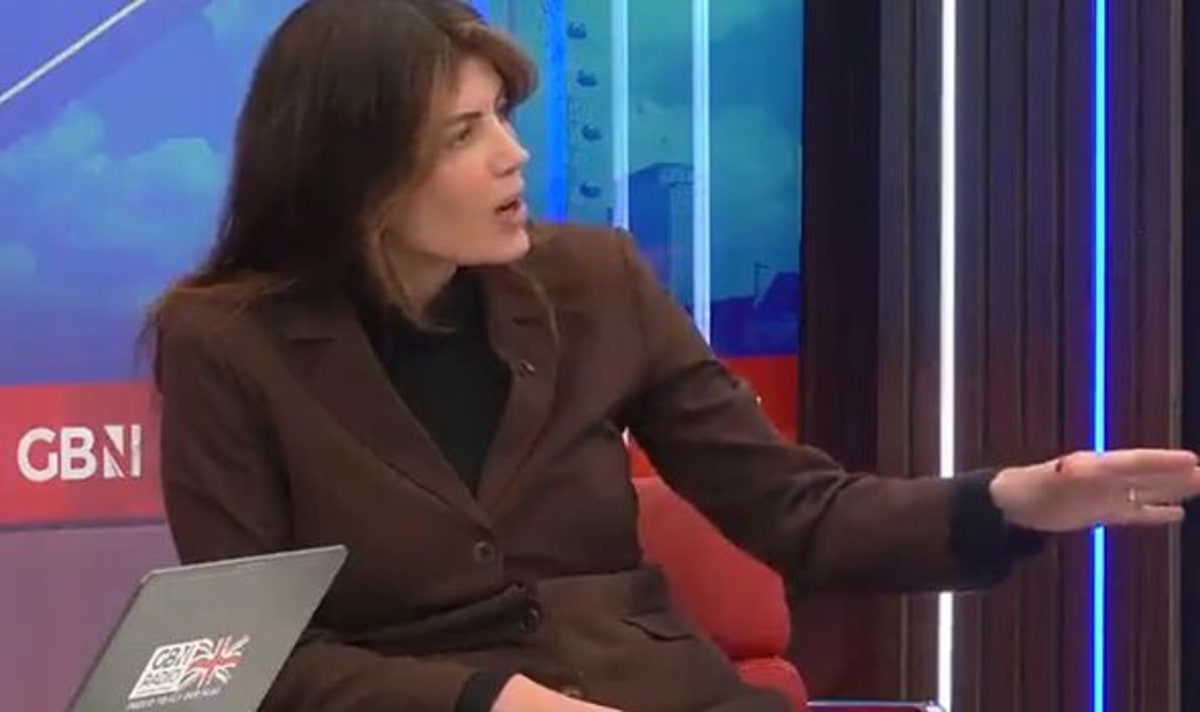
The atmosphere deteriorated further when Cunningham challenged McGwire over whether she understood why people had voted for Brexit.
She argued that some communities had experienced significant changes in their populations, prompting McGwire to snap: “Do not patronise me.”
Cunningham insisted she was not being patronising. Instead, she accused her opponent of dismissing the concerns that had driven people to vote Leave.
“People voted, whether you agree with it or not; people voted to control immigration and to control who can come in,” she argued.
“Whether you think that’s not a big deal, I beg to differ. To the voters, it was a big deal. You’re actually patronising the voters.”
McGwire attempted to reclaim the floor, insisting she wanted to finish her point about the difference in attitudes towards European and non-European arrivals.
But Cunningham delivered one final cutting remark as the exchange continued.
“You’re a bit hysterical,” she told her opponent.
What began as a discussion about Burnham’s EU reset had become a fierce confrontation over one of the most divisive questions in British politics: who should decide the country’s future relationship with Europe — and whether voters should have the final word.