34 Years Later, Clint Eastwood’s Unforgiven Still Has One of the Most Powerful Lines in Western Movie History
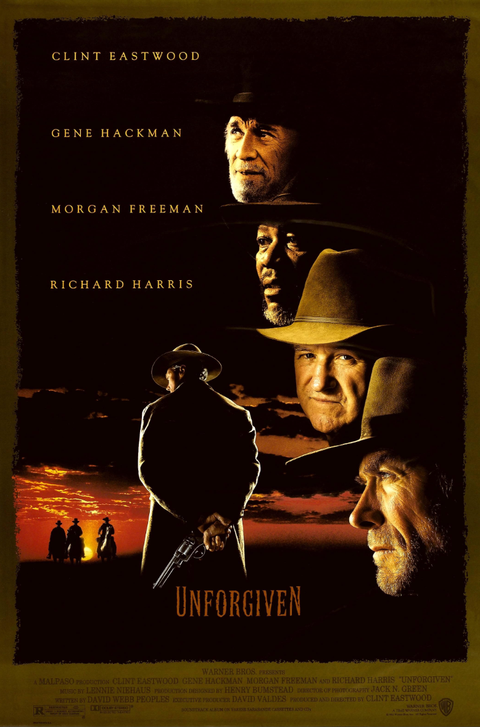
Few Westerns have challenged the mythology of the American frontier as profoundly as Clint Eastwood’s Unforgiven. Released in 1992, the Oscar-winning film stripped away the glamour of the gunslinger legend, replacing heroic shootouts with a haunting examination of violence, guilt and the human cost of taking another person’s life.
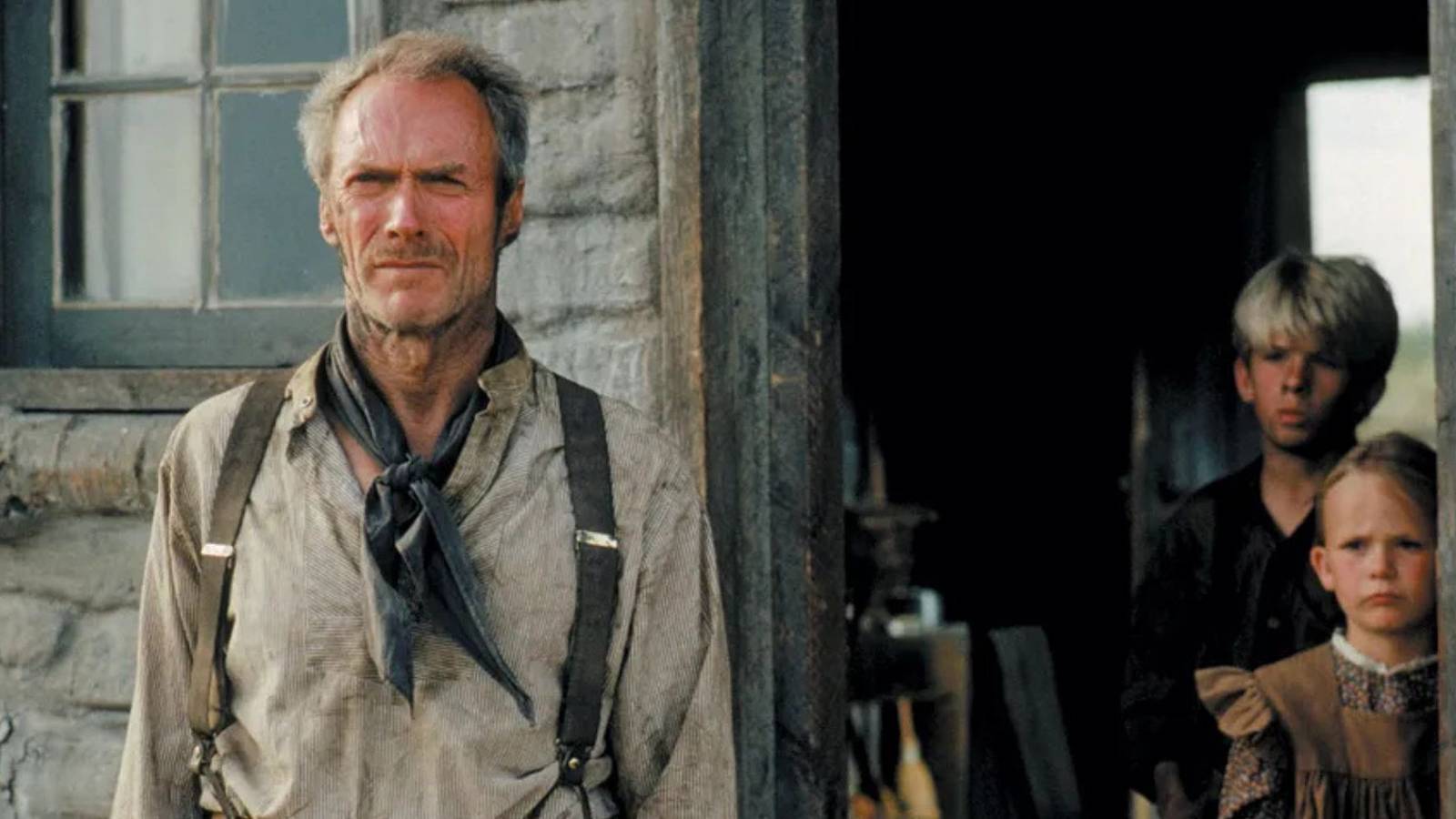
More than three decades later, one brief exchange between Eastwood’s William Munny and an inexperienced young gunman remains among the film’s most unforgettable moments. Munny’s simple warning, “We all got it coming, kid,” captures the moral complexity at the heart of the story — and challenges the idea that anyone can escape the consequences of violence.
Eastwood directed, produced and starred in the film, delivering a performance that also served as a powerful reflection on the Western characters that had defined so much of his career. Rather than celebrating the legendary gunslinger, Unforgiven asks what happens when a man who has spent his life killing is finally forced to confront what those actions mean.
“We All Got It Coming, Kid”: The Line That Defines Unforgiven
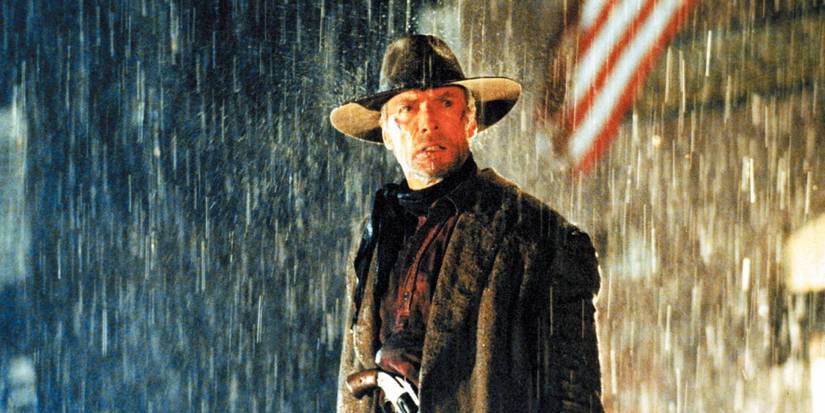
One of the film’s most affecting scenes comes after William Munny and the young gunfighter known as the Schofield Kid, played by Jaimz Woolvett, carry out a bounty killing.
Throughout their journey, the Kid has presented himself as an experienced marksman, boasting about the men he claims to have killed. But when he finally takes a life himself, his confidence collapses. The reality of what he has done is nothing like the stories he has been telling.
He struggles to comprehend how an ordinary person can suddenly be gone forever simply because someone pulled a trigger. His reaction exposes the gap between the romantic image of a gunfighter and the devastating reality of murder.
Munny, who has spent years living with his own violent past, responds with one of the film’s most memorable observations:
“It’s a hell of a thing, killing a man. Take away all he’s got and all he’s ever gonna have.”
When the Kid tries to justify the killing by insisting that their victim deserved it, Munny delivers the final thought:
“We all got it coming, kid.”
The exchange is powerful precisely because Munny does not present himself as morally superior. He understands that violence has consequences, regardless of how convincingly someone tries to justify it. His words also suggest that the people who pull the trigger cannot simply separate themselves from the suffering they inflict.
Why Unforgiven Still Stands Apart From Other Westerns
The Western genre has produced countless legendary characters, from fearless lawmen to notorious outlaws. Yet Unforgiven deliberately questions the mythology surrounding these figures.
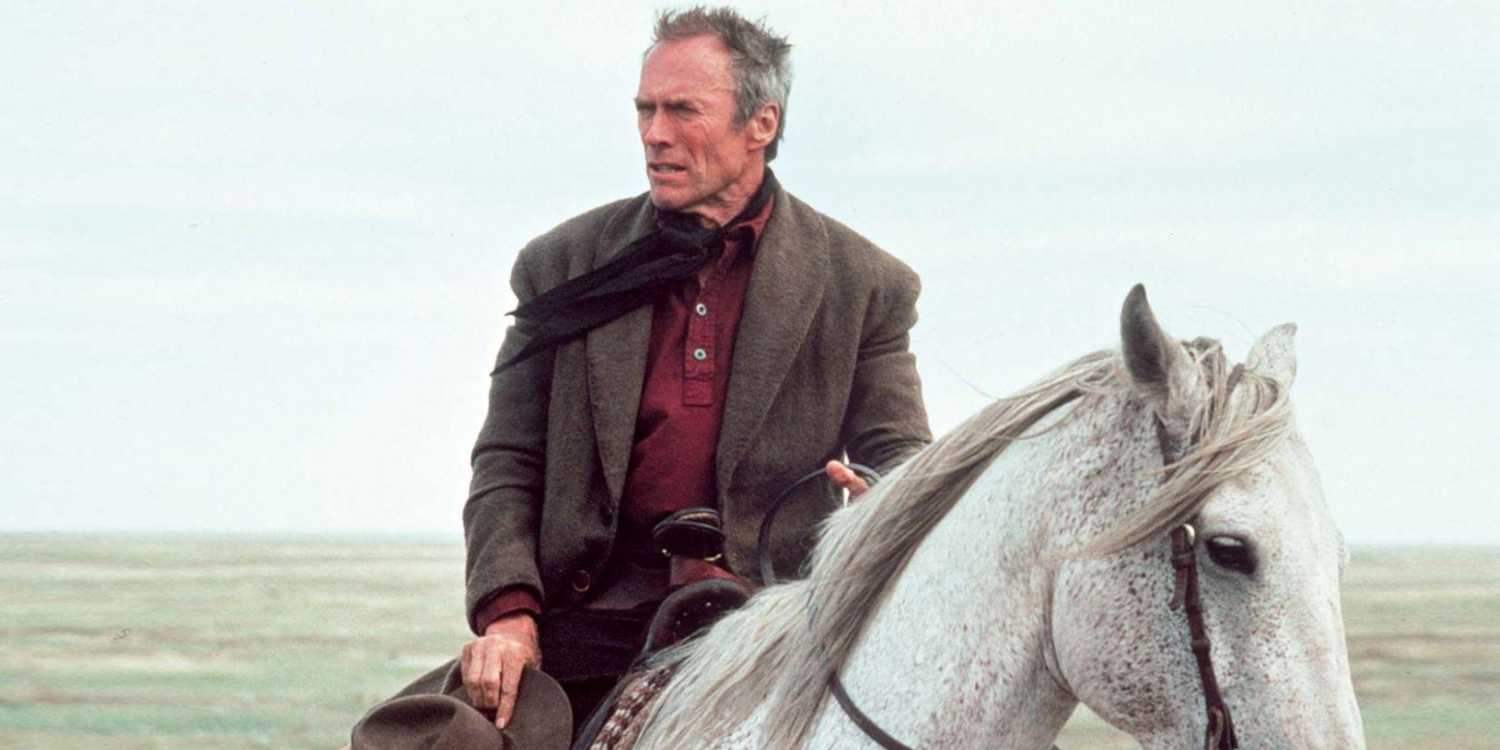
Eastwood plays William Munny, a former outlaw and notorious killer who has left his violent life behind. Now a widower struggling to raise his children, Munny lives on a modest farm and appears to have abandoned the dangerous reputation that once defined him.
That changes when he is approached by the Schofield Kid, who wants his help tracking down two cowboys responsible for brutally attacking a woman. A $1,000 reward has been offered for the men, giving Munny a reason to return to the life he thought he had escaped.
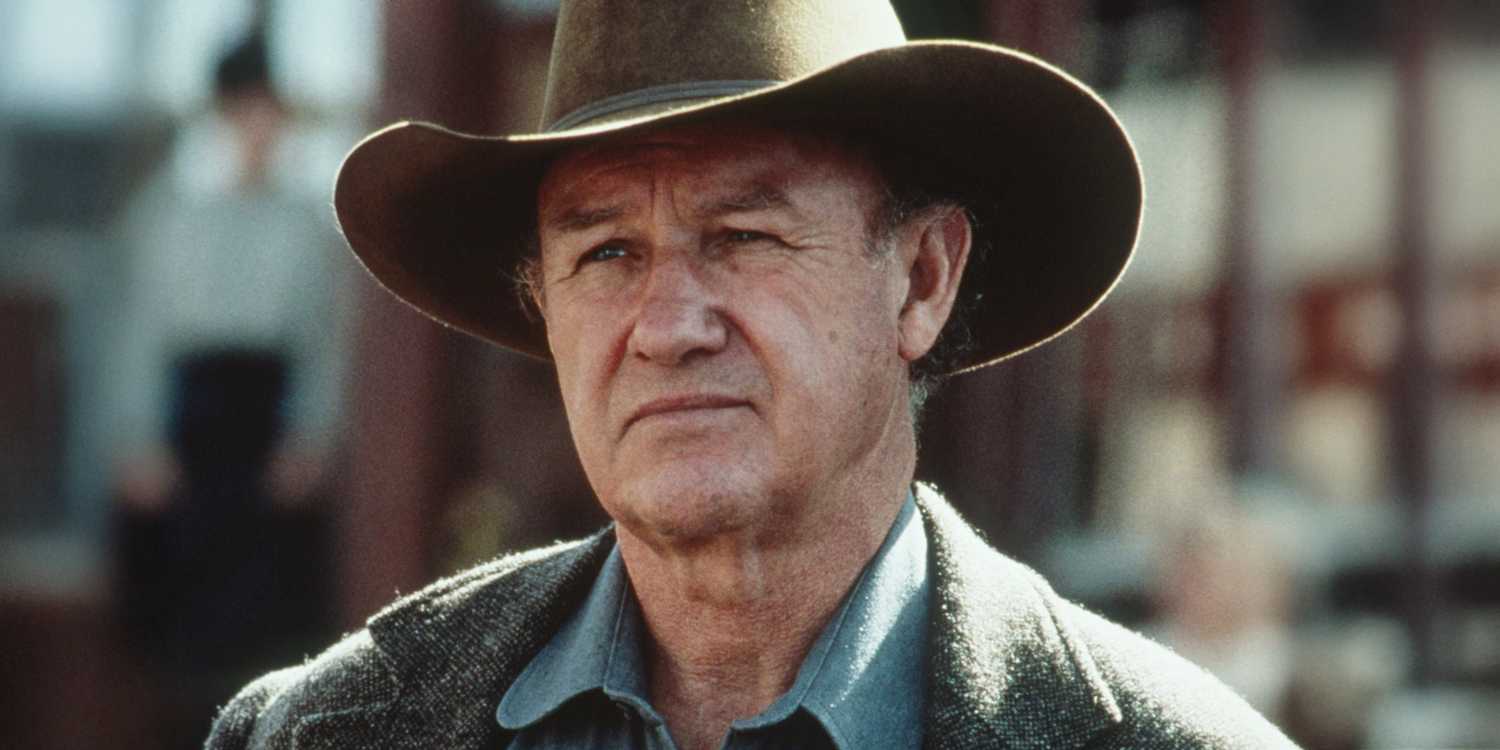
Morgan Freeman plays Ned Logan, Munny’s longtime friend and former partner, who joins him on the journey. Their mission eventually brings them into conflict with Little Bill Daggett, a ruthless sheriff portrayed by Gene Hackman, who is determined to maintain control of the town of Big Whiskey.
Rather than presenting the confrontation as a straightforward battle between good and evil, the film gives its characters complicated motivations and painful histories. Even its most feared gunfighters are shown as flawed human beings, while violence is portrayed as something that leaves lasting damage rather than creating heroic legends.
This approach helped establish Unforgiven as one of the defining revisionist Westerns of its era. Its influence can still be felt in later films that question the traditional image of the American cowboy, including the Coen brothers’ 2010 adaptation of True Grit.
The Film That Earned Clint Eastwood Four Academy Awards
The impact of Unforgiven extended well beyond its critical reputation. At the 65th Academy Awards in 1993, the film won four Oscars: Best Picture, Best Director for Clint Eastwood, Best Supporting Actor for Gene Hackman and Best Film Editing for Joel Cox.
The recognition was particularly significant for Eastwood, who became the fourth actor in Oscar history to win the directing award for a film in which he also starred.
The film also marked an important moment in Eastwood’s career. By revisiting the Western, the genre most closely associated with his screen persona, he created something that questioned the very image audiences had come to admire.
Clint Eastwood Waited Years Before Bringing the Story to the Screen
Interestingly, Unforgiven almost became a very different film. Screenwriter David Webb Peoples originally wrote the screenplay in 1976 under the title The Cut-Whore Killings, at a time when Westerns were falling out of fashion.
Francis Ford Coppola later optioned the script but was unable to get the project made. Eastwood eventually acquired it and held on to the screenplay for several years before deciding the time was right to direct and star in it.
In an interview with the Directors Guild of America, Eastwood explained that he had obtained the script in the early 1980s but waited until 1992 to make it. He initially considered making changes, only to realise that the original screenplay was already working beautifully. He ultimately decided to preserve Peoples’ story rather than reshape it unnecessarily.
That patience proved worthwhile. Released on August 7, 1992, Unforgiven became a landmark achievement in Eastwood’s filmmaking career and helped establish a new standard for the modern Western.
A Western Whose Most Powerful Message Has Never Faded
More than 34 years after its release, Unforgiven remains compelling because its greatest strength is not its gunfights or legendary cast. It is the uncomfortable questions it asks about revenge, responsibility and the lasting consequences of violence.
The film refuses to let its characters hide behind the familiar excuses of the Western hero. Every death carries a human cost, and even those who believe they are delivering justice must confront what they have done.
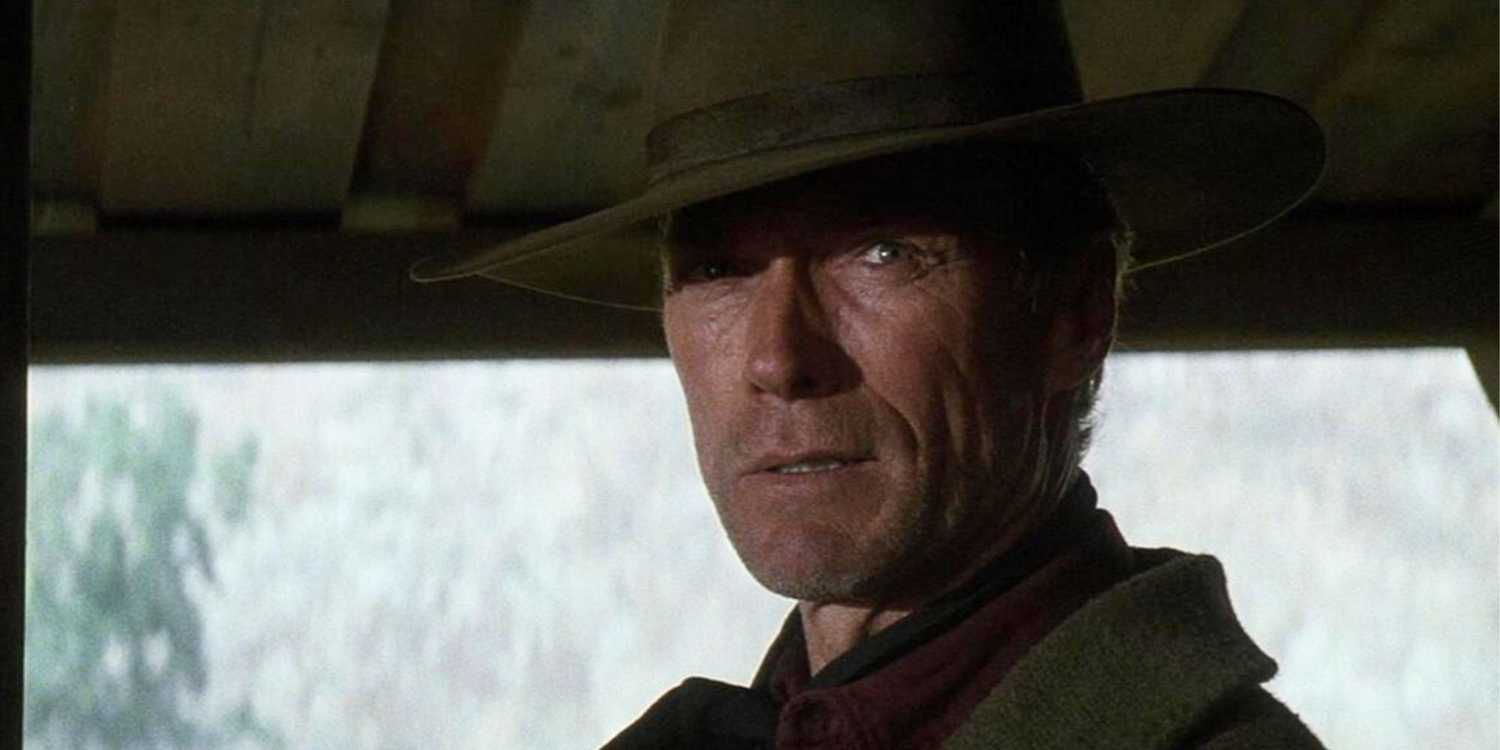
That is why Munny’s words to the Schofield Kid continue to resonate. “We all got it coming, kid” is more than a memorable piece of dialogue. It is the moral centre of a film that understands the difference between being celebrated as a gunfighter and living with the reality of having killed.
With Clint Eastwood, Gene Hackman and Morgan Freeman delivering unforgettable performances, Unforgiven remains a remarkable achievement in American cinema — and a Western whose most important lesson has lost none of its power.