
Taylor Sheridan’s Best Crime Thriller Moment Comes From Sicario’s Chilling Final Warning
Long before Taylor Sheridan became one of television’s most influential creators, he established himself as a formidable screenwriter with a series of acclaimed crime thrillers.
Today, Sheridan is widely associated with successful shows such as Yellowstone, Tulsa King, Landman and Lioness. However, his earlier film work, particularly Sicario, Wind River and Hell or High Water, helped define his reputation for exploring violence, morality and the darker realities of American life.
Among those films, Denis Villeneuve’s 2015 thriller Sicario contains one of Sheridan’s most memorable pieces of dialogue, delivered by Benicio del Toro during a deeply unsettling confrontation.
Sicario Explores the Dangerous Reality of the War on Drugs

Directed by Denis Villeneuve, Sicario stars Emily Blunt as Kate Macer, an FBI agent recruited into a task force operating along the United States-Mexico border.
The operation is led by Matt Graver, played by Josh Brolin, and includes Alejandro Gillick, a mysterious and ruthless operative portrayed by Benicio del Toro.
Initially, Kate believes the assignment will allow her to help dismantle dangerous drug cartels through legitimate law enforcement methods.
However, she gradually discovers that the team’s operations involve tactics that conflict with her understanding of justice.
Alejandro is particularly willing to use extreme methods, including torture and killing, to accomplish his objectives.
As Kate becomes more deeply involved, she begins questioning whether the people directing the operation are genuinely committed to upholding the law.
Benicio del Toro Delivers the Film’s Most Memorable Warning
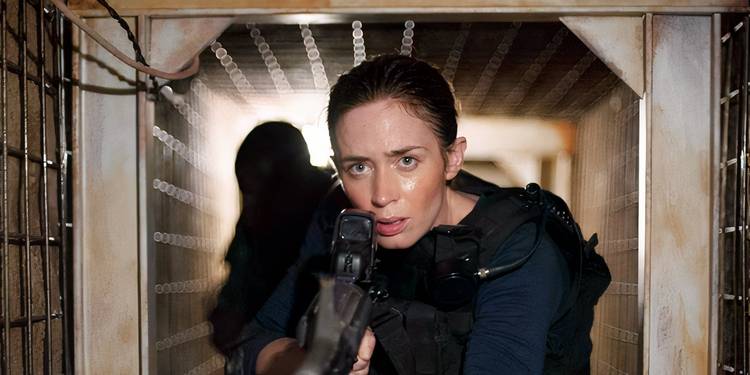
One of Sicario‘s defining moments arrives near the conclusion, when Alejandro confronts Kate and forces her to sign paperwork legitimizing the task force’s actions.
During their exchange, he delivers a warning that captures the film’s central conflict.
He tells Kate that she should find somewhere the rule of law still exists, describing their world as a place controlled by wolves.
The statement reflects Alejandro’s belief that conventional principles of justice cannot survive within the violent environment in which he operates.
For Kate, the confrontation represents the devastating realization that the institutions she trusted may be willing to abandon their own rules.
The scene is particularly effective because of del Toro’s restrained performance.
Rather than delivering the warning with anger or theatrical intimidation, he speaks with an unnerving calmness, making his words feel less like a threat than an acknowledgment of reality.
Why Alejandro and Kate Represent Opposing Moral Worlds
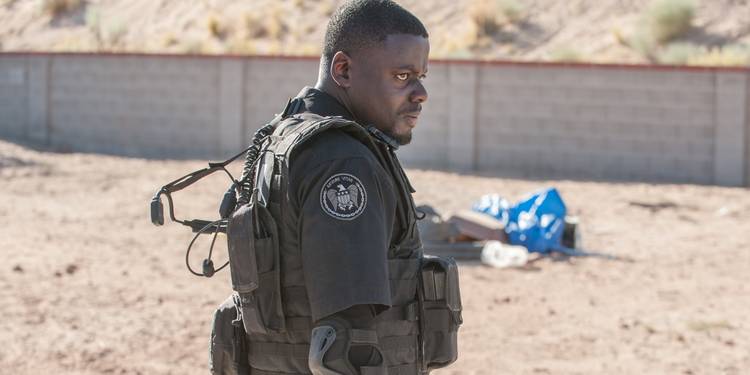
Throughout Sicario, Kate remains committed to the principles that originally motivated her career in law enforcement.
Even after witnessing disturbing events and surviving dangerous encounters, she struggles to accept the methods used by Graver and Alejandro.
Her resistance increasingly frustrates the men running the operation, who regard her moral objections as obstacles to their objectives.
The contrast between Kate and Alejandro becomes the foundation of the film’s larger argument.
Kate represents a belief in legal institutions, accountability and clearly defined boundaries between right and wrong.
Alejandro embodies a world in which those boundaries have largely disappeared.
Their final confrontation forces Kate to confront the possibility that the system she serves is fundamentally different from the one she believed existed.
Sicario Remains a Defining Achievement in Sheridan’s Film Career
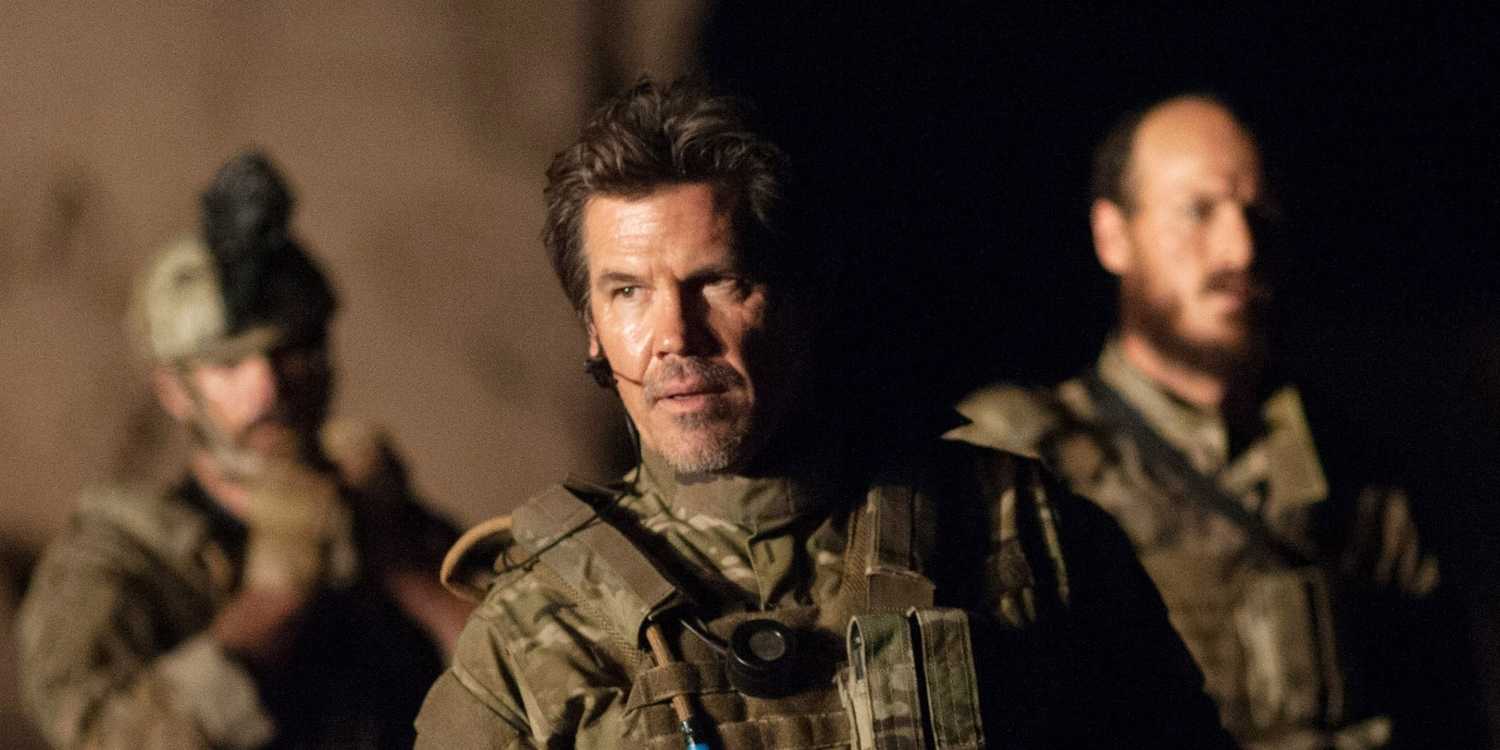
Sheridan’s screenplays for Sicario, Wind River and Hell or High Water are often grouped together as his American Frontier Trilogy.
Each film examines a different aspect of modern American society, from organized crime and the drug trade to economic hardship and the treatment of Native American communities.
His work on Hell or High Water earned an Academy Award nomination for Best Original Screenplay.
Although Sheridan has since concentrated heavily on television, his film career remains influential.

He is also attached to the screenplay for the upcoming action thriller F.A.S.T. and a film adaptation of the Call of Duty video game franchise.
Yet Sicario remains a particularly powerful example of his ability to express a complicated moral argument through a single dramatic exchange.
Alejandro’s final warning does more than conclude a confrontation between two characters. It leaves audiences questioning whether justice can survive when those tasked with enforcing the law begin adopting the methods of the criminals they pursue.