The Dark Biblical Meaning Behind Cathy And Charles’ Matching Scars In Netflix’s East Of Eden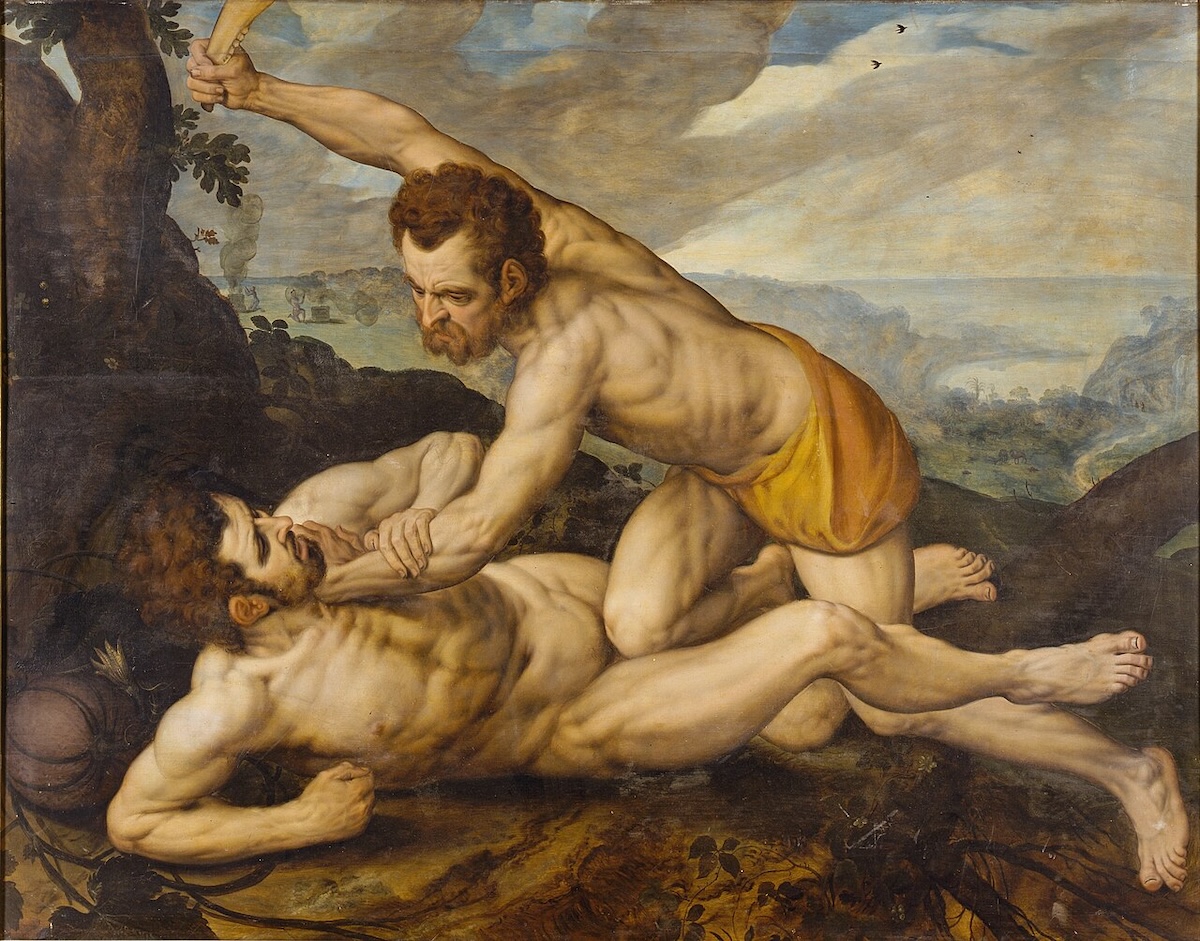
Netflix’s adaptation of East of Eden contains a chilling detail that may be easy to overlook: Cathy and Charles share matching scars on their foreheads. Although the series does not explicitly explain the symbolism behind them, the marks connect two of its most troubled characters to the biblical story at the heart of John Steinbeck’s original novel.
Their scars are more than a visual resemblance. They reflect the darkness both characters recognise in one another, while raising a central question of the story: are people destined to repeat the sins of those who came before them, or can they choose a different path?
As Charles puts it, “Kind recognises kind.”
How Charles And Cathy Got Their Matching Scars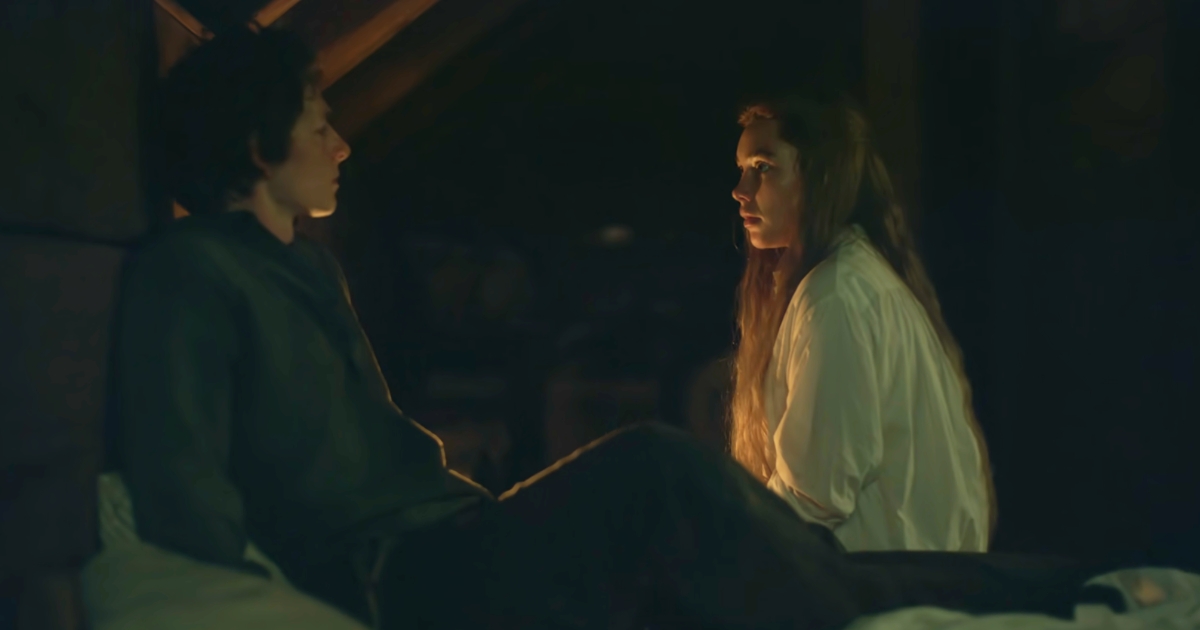
In Steinbeck’s original novel, Charles receives his scar while working on the Trask family farm. After his brother Adam joins the army, Charles becomes increasingly angry and lonely. His frustration eventually boils over when he struggles to move a large boulder.
In a fit of rage, he tries to lever the stone out of the ground, but the bar slips and strikes him in the face. The accident leaves him with a long, crinkled scar running from his hairline to a point between his eyebrows.
Cathy’s scar, by contrast, comes from a far more brutal experience.
In the Netflix adaptation, her relationship with a brothel owner turns violent. He beats her severely and leaves her for dead. Injured and desperate, Cathy eventually reaches the Trask farm, where Adam takes her in and cares for her while she recovers.
Charles is suspicious of the new arrival, but Cathy appears fascinated by him. On the night of her wedding to Adam, she drugs her new husband and goes to Charles’s room. Before the pair sleep together, she touches the scar on his forehead.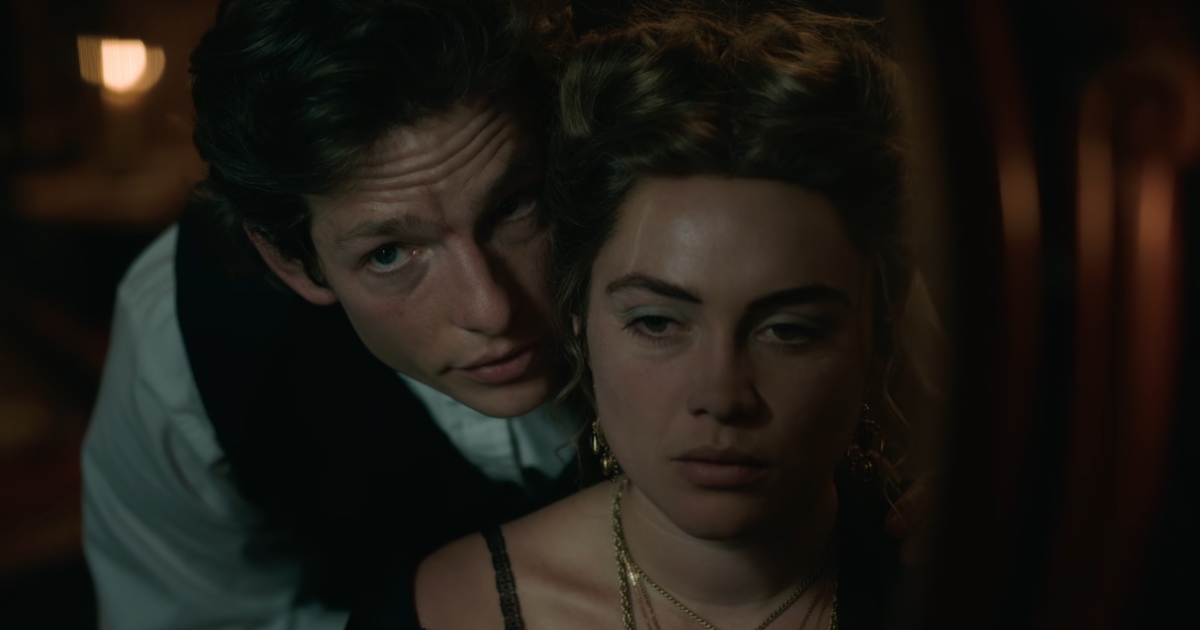
The moment creates an unsettling connection between them. Their injuries have very different origins, yet the matching marks seem to reveal something they share beneath the surface.
The Biblical Meaning Behind The Matching Scars
The scars are commonly interpreted as references to the biblical Mark of Cain, linking Charles and Cathy to the darker themes running through East of Eden.
According to the article, Netflix’s official ending explainer describes the pair as kindred spirits who “both even bear a forehead scar that binds them together as children of Cain.”
To understand the reference, it helps to return to the Book of Genesis.
Cain and Abel are the sons of Adam and Eve. Cain works the land, while Abel tends flocks. When God favours Abel’s offering over Cain’s, jealousy consumes Cain, and he murders his brother.
As punishment, Cain is driven into exile. God also places a mark on him so that anyone who encounters him will not kill him.
Steinbeck builds his novel around this story, using the biblical brothers as a pattern that repeats across generations of the Trask family.
How Charles And Adam Repeat The Story Of Cain And Abel
Charles represents Cain, while Adam takes the role of Abel. Their relationship echoes the biblical conflict through jealousy, resentment and a desperate desire for their father’s approval.
One of the most significant moments comes when their father, Cyrus, favours Adam’s birthday gift of a stray puppy over the expensive knife Charles has worked to buy him. To Charles, the rejection becomes another painful reminder that his brother appears to be the preferred son.
His resentment eventually erupts into violence. Charles attacks Adam and comes close to killing him, reinforcing the parallels with Cain’s murder of Abel.
The same pattern later appears in the next generation through Adam’s sons, Cal and Aron. Cal becomes the Cain figure, while Aron occupies Abel’s place. Once again, jealousy over a father’s affection helps drive the family towards tragedy.
Even the names reinforce the parallel: Charles and Adam, followed by Cal and Aron.
The repeated conflict suggests that the struggle between jealousy and approval is not confined to one generation. It becomes a recurring family pattern, leaving each character to confront the consequences of choices made by those before them.
Why Charles Recognises Something Dark In Cathy
Cathy’s scar has a different origin from Charles’s, but its resemblance to his injury creates a visual link between them.
Charles is suspicious of Cathy from the moment she arrives at the farm. Unlike Adam, who responds to her vulnerability with compassion, Charles seems to recognise something unsettling in her. Their shared scars become a symbol of that recognition.
The connection does not necessarily mean their experiences are identical. Instead, it suggests that both characters are associated with the darker side of Steinbeck’s central conflict: the capacity for cruelty, violence and destructive choices.
Cathy’s fascination with Charles, particularly when she touches his scar on her wedding night, makes the symbolism even more disturbing. The moment suggests that she sees something familiar in him — something Adam either cannot see or chooses not to acknowledge.
Their matching marks therefore serve as a visual reminder of the connection between them, even when the series leaves the meaning unspoken.
The Title East Of Eden Also Comes From The Bible
The biblical references extend beyond the scars to the novel’s title itself.
After Cain kills Abel, Genesis describes him leaving God’s presence and settling in the land of Nod, east of Eden. Steinbeck uses this image to frame his exploration of humanity’s relationship with sin, exile and the possibility of redemption.
The biblical story is also discussed directly by characters in the novel, including Samuel Hamilton, who declares, “We are Cain’s children.”
The Netflix adaptation retains the connection through conversations between Lee and Samuel about Cain and Abel, as well as the Hebrew word timshel, which becomes crucial to the story’s meaning.
Why Timshel Changes The Meaning Of The Scars
Timshel means “thou mayest”. Within East of Eden, the word expresses the possibility of choice: people may be influenced by their past, but they are not necessarily condemned to repeat it.
As Lee explains in the adaptation, the idea offers the possibility of triumphing over sin. A person’s future is not entirely determined by God or by what has happened before. Even someone who has committed terrible acts may still have a choice about what comes next.
Showrunner Zoe Kazan has discussed the importance of making these biblical themes emotional and personal for the screen. She explained that the conversations about Cain and Abel and the later discussion of timshel went through many revisions so that the ideas would remain closely connected to the characters.
That connection is essential to understanding the scars. They may associate Cathy and Charles with Cain, but the story’s larger question is not simply whether they are marked by darkness. It is whether that darkness determines everything they will ever become.
The Deeper Meaning Behind Cathy And Charles’ Scars
The matching scars are striking because they connect two characters whose lives and choices are marked by cruelty, violence and troubled relationships. Their resemblance draws on the biblical symbolism that shapes Steinbeck’s novel, while echoing the recurring conflict between Cain and Abel throughout the Trask family.
Yet East of Eden is not only a story about inherited darkness. Its idea of timshel insists that people may still choose their own course, even when their past seems to point in another direction.
Cathy and Charles may share the Mark of Cain, but the deeper question is whe