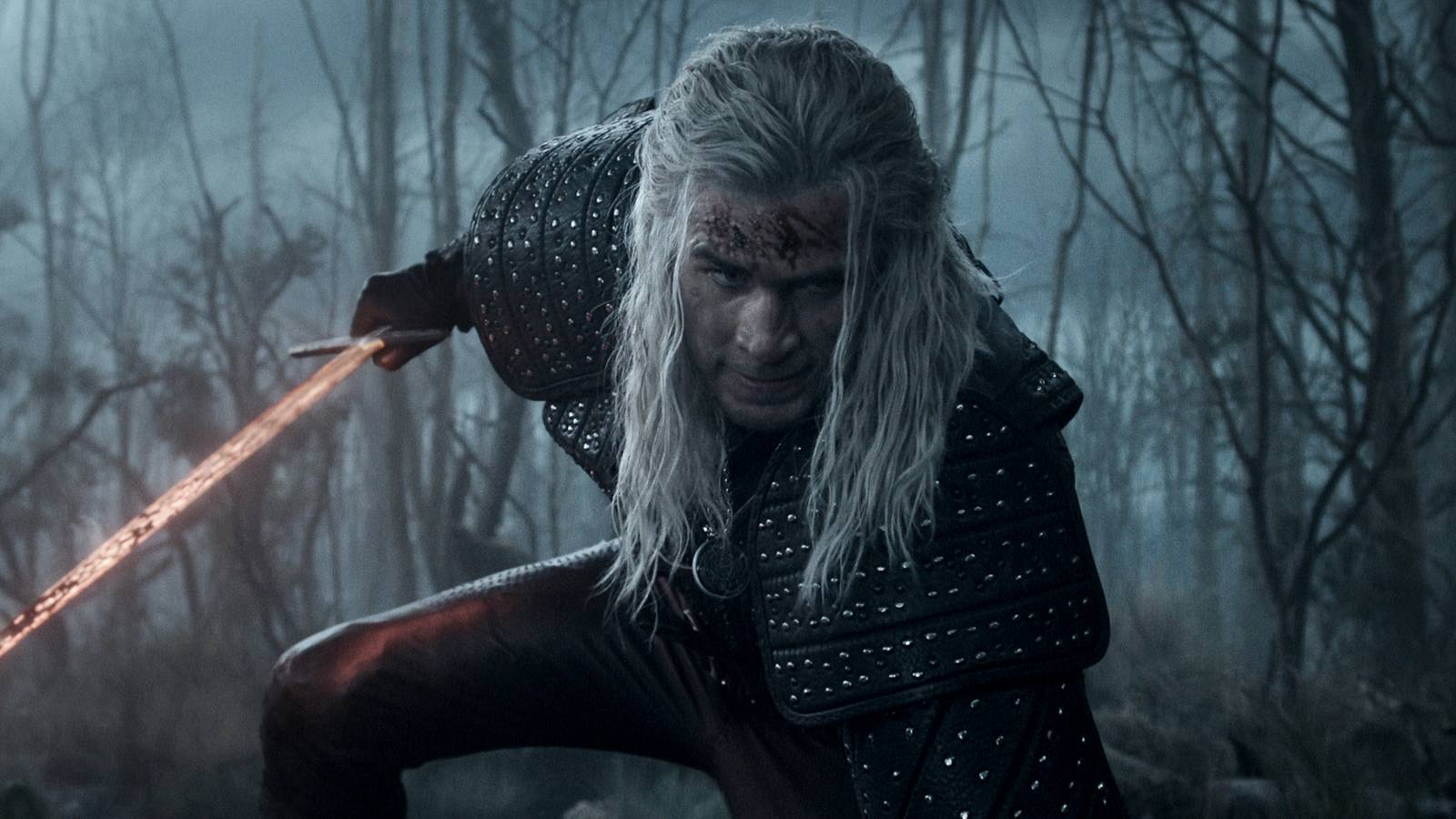
Netflix Is Already Building Its Next Fantasy Era After The Witcher — With Narnia, Magic: The Gathering and More on the Way
As The Witcher moves toward its fifth and final season, Netflix is already preparing the fantasy projects it hopes can carry the genre forward.
That is no small challenge.
Fantasy remains one of streaming’s most valuable genres, capable of producing huge global fanbases and long-running franchises. It is also one of the most expensive and difficult to sustain.
Recent years have shown how quickly even well-known properties can disappear. Netflix canceled Shadow and Bone after two seasons despite plans for an already-written spinoff, while Prime Video ended The Wheel of Time after three seasons.
Against that backdrop, Netflix is placing major bets on two established fantasy brands in particular: C.S. Lewis’ The Chronicles of Narnia and the long-running trading card game Magic: The Gathering.
And both could become central to the streamer’s post-Witcher future.
The Witcher gave Netflix its first major fantasy universe
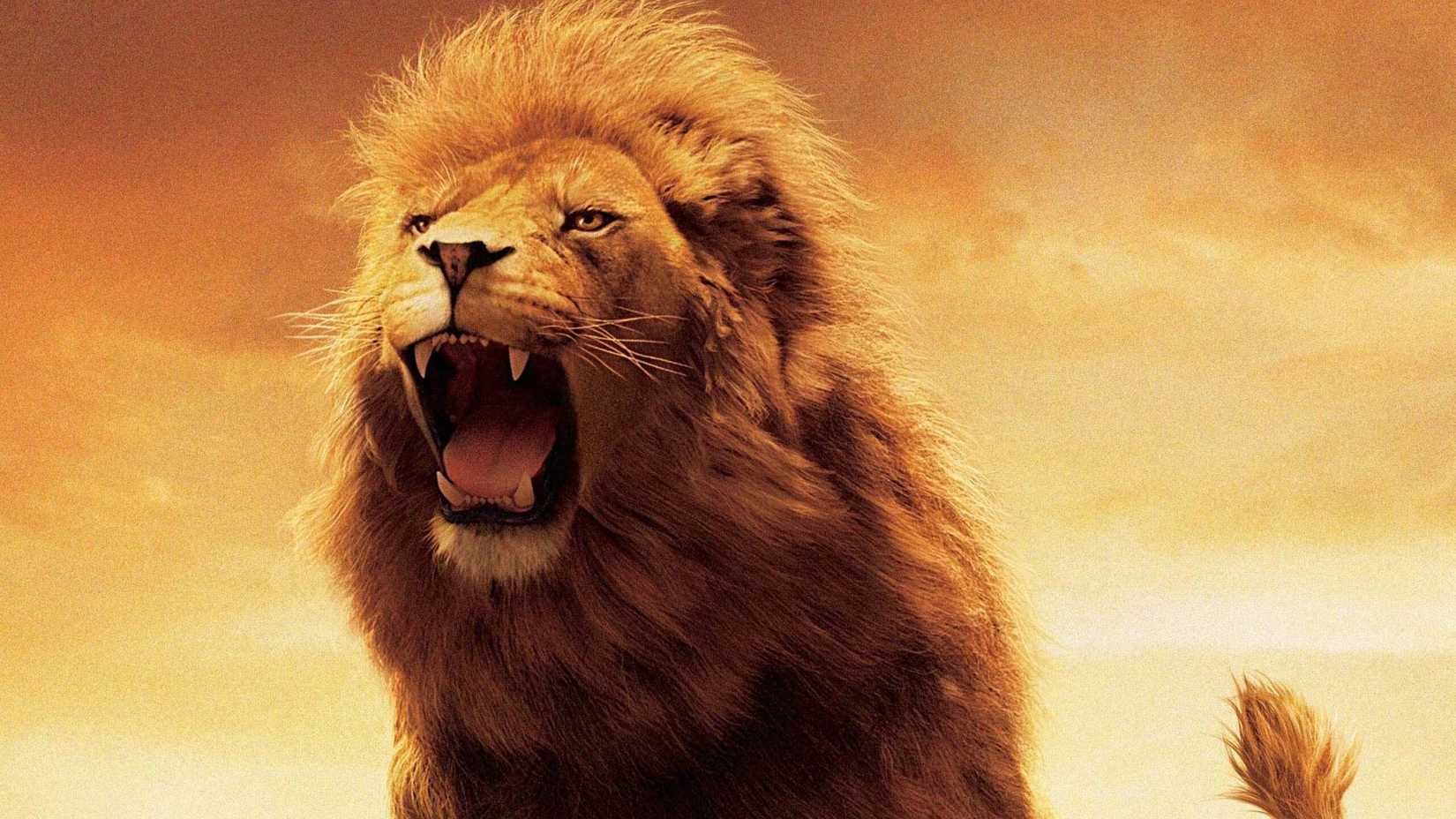
Whatever viewers think of its creative ups and downs, The Witcher became one of Netflix’s most important fantasy franchises.
The live-action series is expected to conclude with its fifth season in 2027, bringing an end to a run that originally appeared destined to last longer.
At one stage, the show had been envisioned as a seven-season story.
Instead, the plan was reduced to five seasons, with Liam Hemsworth taking over as Geralt following Henry Cavill’s departure.
Despite those changes, the franchise grew far beyond the main series.
Netflix also developed the critically panned limited series Blood Origin and several animated projects, including Nightmare of the Wolf and Sirens of the Deep.
That expansion helped Netflix establish itself in high fantasy before later genre successes such as its live-action One Piece adaptation.
Now the company needs something capable of filling the space The Witcher will leave behind.
Magic: The Gathering is still alive at Netflix
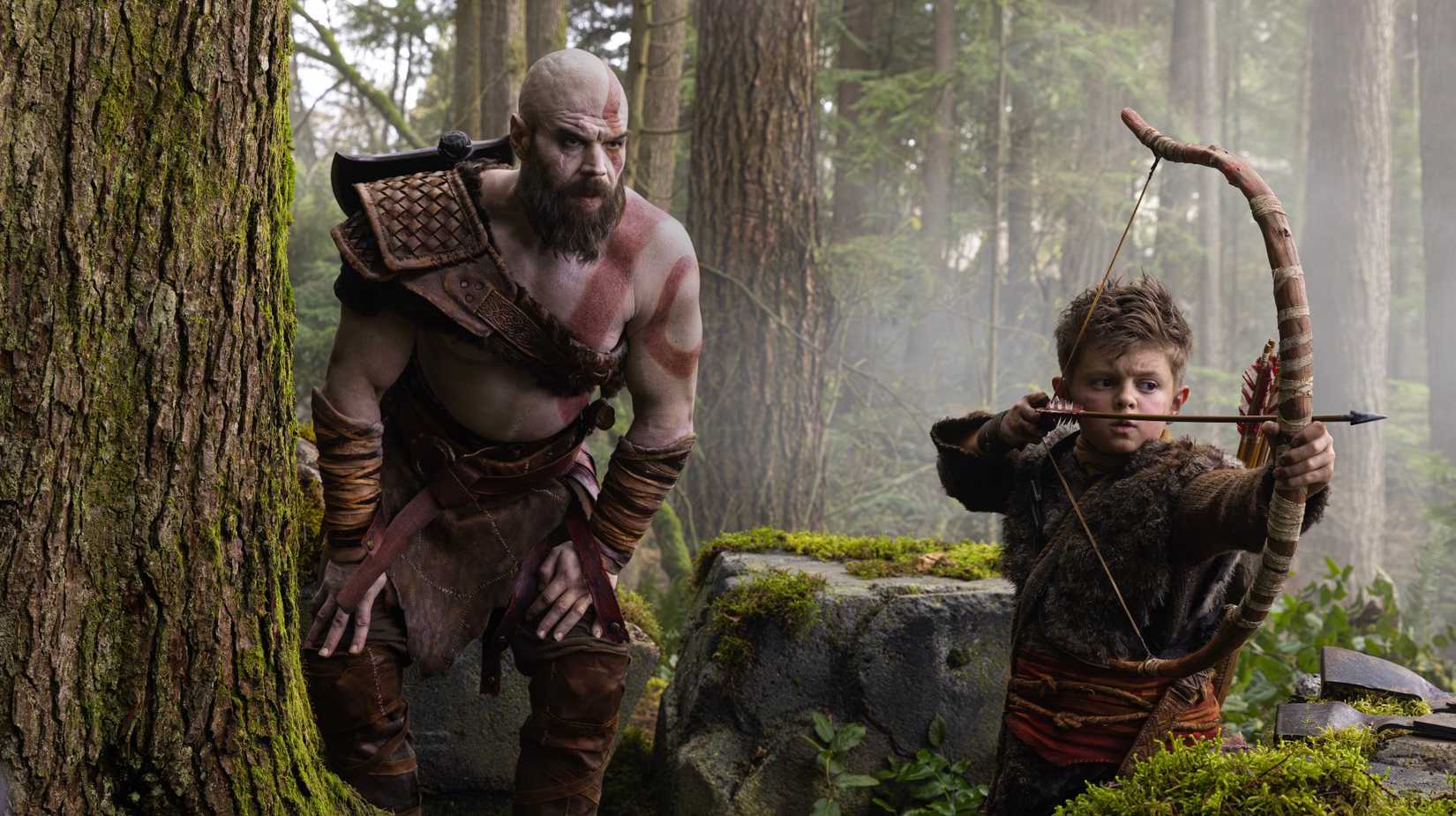
One of Netflix’s longest-gestating fantasy projects is its animated adaptation of Magic: The Gathering.
The series has spent years in development.
Netflix first announced the project in 2019, with Marvel directors Joe and Anthony Russo initially attached as producers.
Progress later slowed, and for a time the project appeared uncertain.
Then, in 2024, it was revived with Star Trek: Picard showrunner Terry Matalas involved.
A recent Netflix press release has now referred to the series as “upcoming,” offering one of the clearest signs in some time that the company still intends to move forward with it.
That matters because Magic: The Gathering already comes with an enormous built-in audience.
The card game has existed for more than 30 years, has more than 50 million players worldwide and became Hasbro’s first billion-dollar brand.
For Netflix, that combination of established lore and a massive fanbase gives the series obvious franchise potential.
Animation could be the right fit for Magic
Netflix also has a strong track record in adult and fantasy animation.
The streamer has already found success with projects including Arcane, Castlevania and The Dragon Prince.
Its Witcher animated films have also allowed the company to expand that universe without the scale and cost of another full live-action series.
That makes Magic: The Gathering an intriguing addition.
The game’s worlds, creatures, planeswalkers and enormous mythology would be difficult and expensive to reproduce in live action.
Animation gives Netflix far greater freedom to explore that scale.
It also arrives at a time when animated fantasy has become increasingly prominent across streaming and film.
Prime Video has The Legend of Vox Machina and Hazbin Hotel, while Tolkien’s Middle-earth recently returned to animation through The Lord of the Rings: The War of the Rohirrim.
Netflix’s Magic series would fit naturally into that growing space.
Narnia could become Netflix’s biggest fantasy gamble yet

Before Magic: The Gathering arrives, however, Netflix has another enormously ambitious fantasy project waiting in the wings.
Greta Gerwig is directing a new adaptation of The Chronicles of Narnia, beginning with The Magician’s Nephew.
The film is scheduled to reach theaters worldwide on February 12, 2027, before arriving on Netflix on April 2.
That theatrical strategy is highly unusual for Netflix.
The movie will also receive an IMAX release, underlining just how much confidence the company appears to have in the project.
It is not difficult to see why.
Previous Narnia films demonstrated the franchise’s global appeal, with three theatrical adaptations collectively earning more than $1.5 billion worldwide.
Gerwig’s version is reportedly being made with a budget of around $280 million, placing it among Netflix’s most expensive productions.
The Magician’s Nephew will show audiences a different Narnia
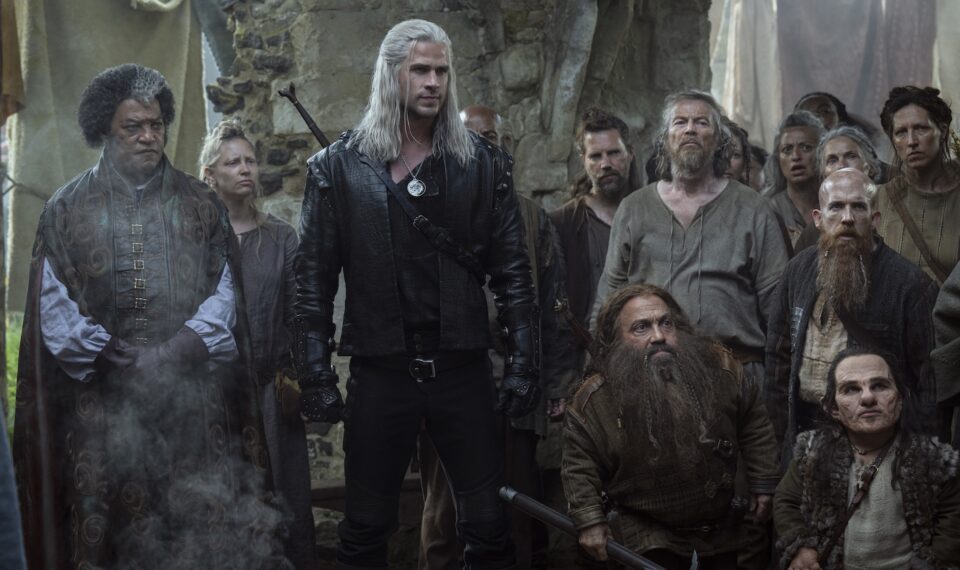
Gerwig is also beginning somewhere previous movie adaptations never did.
The Magician’s Nephew has not previously received a major screen adaptation.
The story takes place before The Lion, the Witch and the Wardrobe and explores the creation and origins of Narnia.
It also reveals the history behind several famous elements of the mythology, including the lamppost and the White Witch.
The story follows two children in early-1900s London who come into contact with magical rings and discover the mysterious “wood between the worlds.”
From there, they become involved in events that ultimately lead to the birth of Narnia itself.
Starting with an origin story allows Netflix and Gerwig to build the fantasy world from the beginning rather than immediately revisiting the most familiar material.
If successful, the film could provide Netflix with exactly the sort of long-term fantasy franchise it has been searching for.
Netflix is also developing a live-action Dungeons & Dragons series
Narnia and Magic: The Gathering are not the streamer’s only fantasy projects.
Netflix is also developing Ravenloft, a live-action series based on the Dungeons & Dragons property.
Writer John August is attached as writer and executive producer, with Alfonso Cuarón and Hasbro Entertainment also involved.
The project follows an earlier attempt to develop another Dungeons & Dragons series at Netflix.
That show, Shawn Levy’s The Forgotten Realms, has since been canceled.
Whether Ravenloft ultimately moves forward remains to be seen, but its development demonstrates how aggressively Netflix continues to pursue established fantasy brands.
The competition for fantasy franchises is getting fiercer
Netflix is hardly alone in believing fantasy can drive the next generation of streaming franchises.
HBO continues expanding George R.R. Martin’s Westeros while also preparing its new Harry Potter television adaptation.
Prime Video remains committed to The Lord of the Rings: The Rings of Power and is developing God of War.
Disney+ has Warrior Cats in development.
Apple TV has made a major deal with bestselling fantasy author Brandon Sanderson.
Peacock, meanwhile, is developing a live-action adaptation of Matt Dinniman’s science-fantasy LitRPG series Dungeon Crawler Carl.
Every major platform appears to be searching for the next fantasy world capable of sustaining years of television, movies and spinoffs.
Romantasy is becoming another major battleground
The rise of romantic fantasy has added another layer to the competition.
Often called “romantasy,” the genre has exploded in popularity through bestselling books that blend large-scale fantasy worlds with central romantic storylines.
Streaming platforms are paying attention.
Prime Video is developing an adaptation of Rebecca Yarros’ dragon fantasy Fourth Wing as well as Lauren Roberts’ Powerless trilogy.
Netflix, meanwhile, reportedly paid a seven-figure amount for the film rights to Callie Hart’s Quicksilver.
The appeal is obvious.
These books already come with highly engaged readerships, giving studios a potential audience before production even begins.
But the recent cancellations of other high-profile fantasy adaptations also show that a passionate book fanbase alone does not guarantee long-term survival.
Fantasy remains one of streaming’s biggest risks
Few genres demand as much from studios.
Large casts, visual effects, elaborate costumes, vast sets and extensive post-production can make fantasy projects enormously expensive.
That means platforms often expect them to perform at a much higher level than smaller dramas or comedies.
Even a show with loyal fans may not survive if production costs become too difficult to justify.
That has become one of the defining problems of the streaming fantasy boom.
The reward, however, can be enormous.
A successful fantasy property can generate multiple seasons, spinoffs, merchandise, theatrical projects and years of audience loyalty.
Netflix experienced some of that with The Witcher.
The question is which franchise will do it next.
Narnia and Magic could define Netflix’s next chapter
With The Witcher preparing to close its story, Netflix is entering a transition period.
Narnia gives the company an opportunity to build a large-scale live-action film franchise with theatrical ambitions.
Magic: The Gathering offers access to decades of established mythology through animation.
Ravenloft could provide another live-action fantasy universe if development progresses.
And the streamer continues acquiring new properties as romantic fantasy becomes increasingly valuable.
None of those projects is guaranteed to become the next Witcher.
Recent cancellations across the industry make that clear.
But Netflix is not retreating from fantasy.
If anything, it appears to be doubling down — betting that one of these worlds can become the next place viewers want to stay for years.