Forget Band of Brothers: Prime Video’s Six-Part WWII Drama Uncovers the Frozen Mission That Helped Derail Hitler’s Nuclear Ambitions
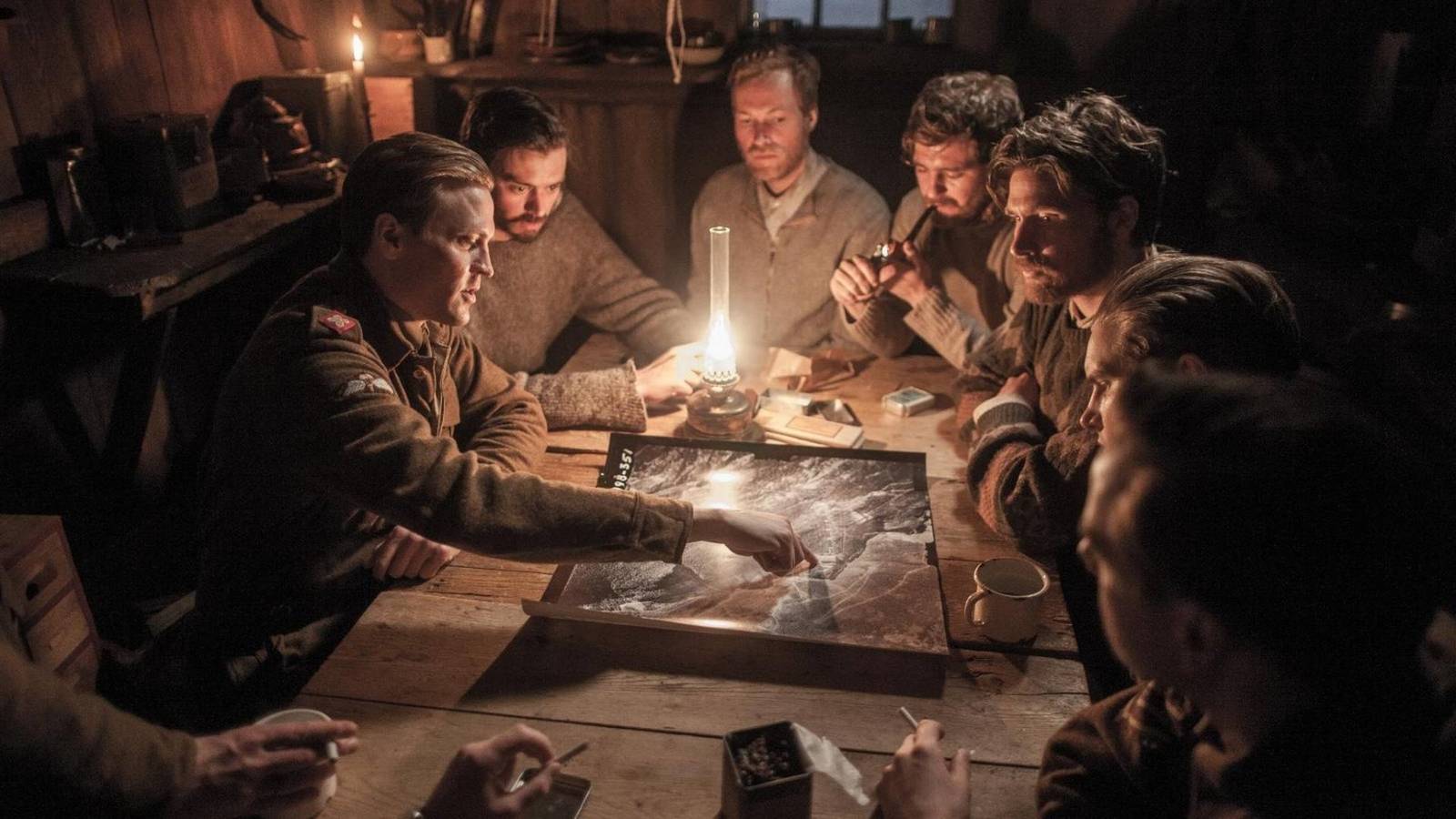
For viewers still searching for a World War II drama capable of scratching the Band of Brothers itch, one overlooked six-part miniseries takes the conflict far from the familiar battlefields.
Instead of following American paratroopers across Europe, The Heavy Water War heads into the frozen mountains of Norway and focuses on a lesser-known struggle with potentially enormous consequences.
At its heart is the Allied effort to disrupt Nazi Germany’s access to heavy water — a material connected to its nuclear research programme.
The result is a tense mixture of espionage, sabotage, science and survival that approaches the war from several competing perspectives.
A Different Side of World War II
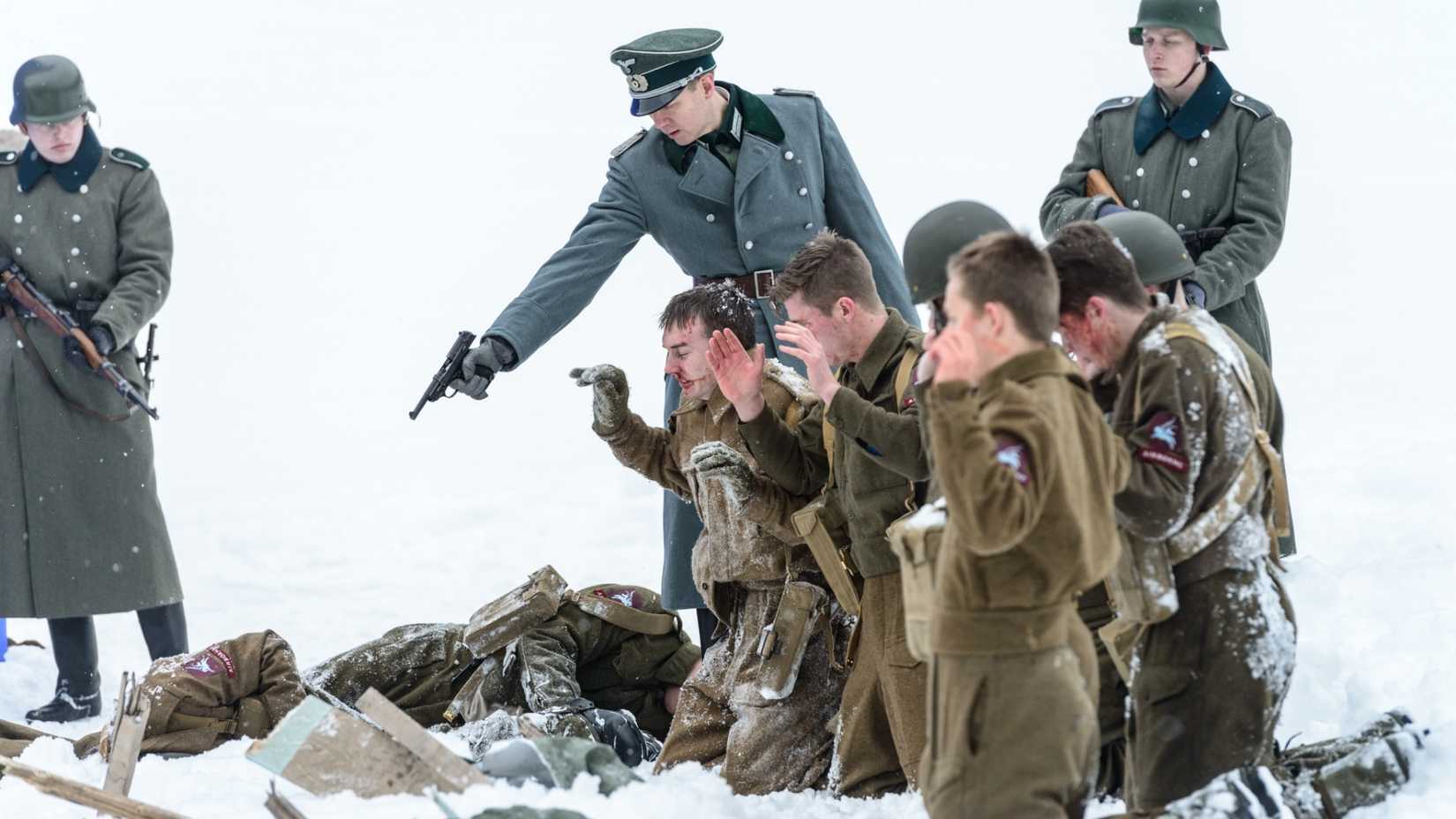
Written by Peter S. Rosenlund, the Norwegian production follows attempts to interfere with heavy-water production at facilities being used by Germany.
The story moves between Norwegian intelligence officers and commandos planning dangerous sabotage missions, German scientists pursuing their research and Norwegian workers caught in the middle.
That shifting viewpoint gives the six episodes a broader scope than a straightforward commando adventure.
Two particularly important figures are Norwegian intelligence officer Major Leif Tronstad and German physicist Werner Heisenberg.
Rather than presenting the conflict solely from the Allied battlefield perspective, the drama explores the scientific, military and moral pressures surrounding the heavy-water campaign.
Sabotage Becomes the Heart of the Story
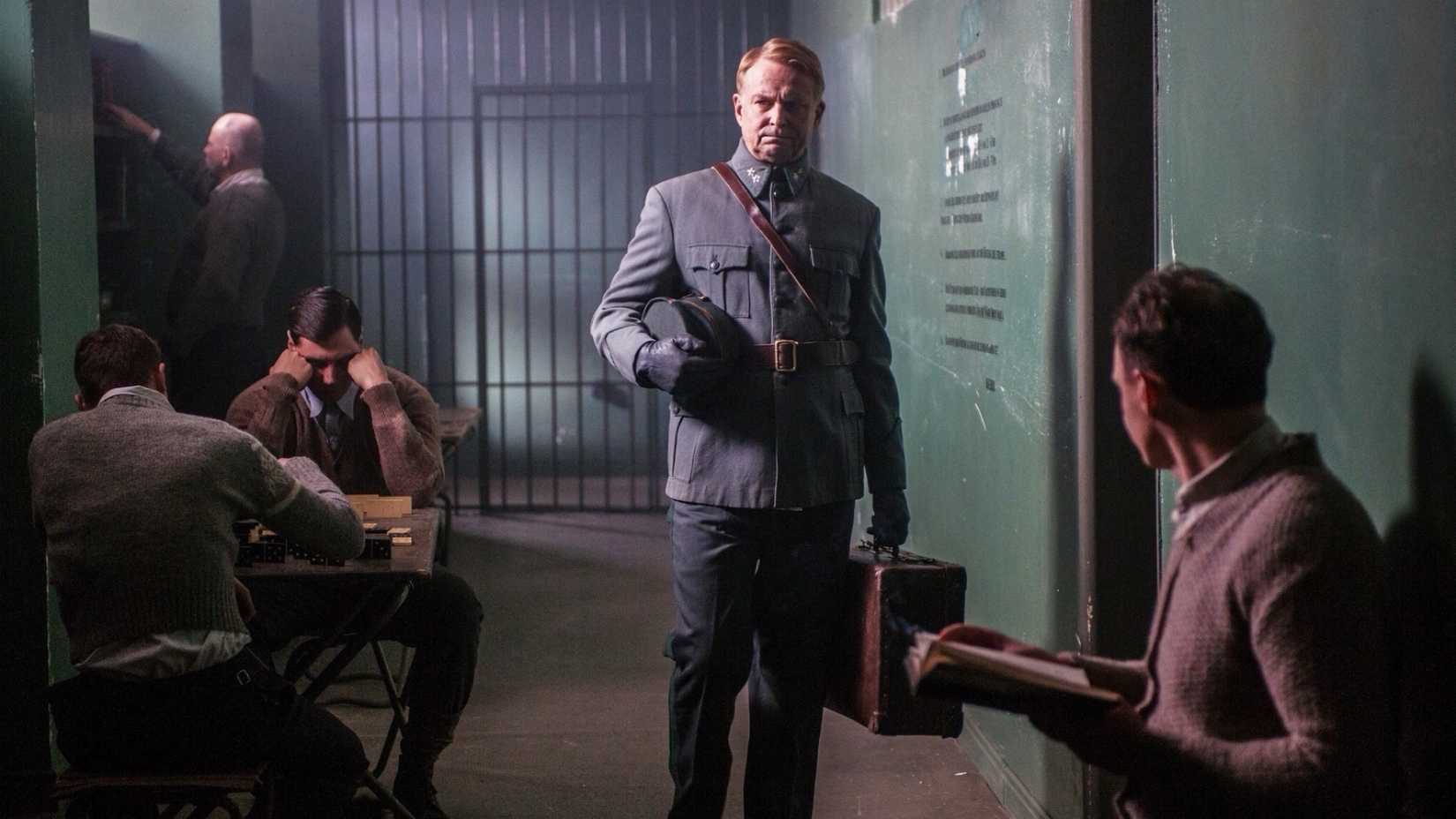
The Norwegian resistance effort provides some of the miniseries’ most gripping sequences.
Plans to disrupt heavy-water production involve sabotage operations and Allied bombing, placing the characters in situations where a single mistake could carry devastating consequences.
The Norwegian landscape becomes part of that struggle.
Commandos must contend with snow, forests and brutal conditions while attempting operations against strategically important facilities.
It’s here that the comparison with Band of Brothers becomes easiest to understand.
The scale may be smaller, but the emphasis on dangerous missions, teamwork and survival creates a similarly immersive experience.
The Series Doesn’t Need a Band of Brothers-Sized Budget
Band of Brothers remains difficult to match for sheer production scale.
The Heavy Water War doesn’t attempt to compete dollar-for-dollar.
Instead, its strengths come from strong performances, focused storytelling and the natural tension created by its historical setting.
Daring raids are combined with confrontations between characters whose motivations and loyalties are far more complicated than a simple good-versus-evil setup.
The six-episode format also keeps the story concentrated.
There is little room for unnecessary detours when the central objective carries such high stakes.
Real Figures Anchor the Drama

Many of the characters are based on real people, although the supplied account notes that some names were concealed because of concerns surrounding collaboration with the Nazis.
Tronstad provides one major Allied perspective, while Heisenberg represents the scientific side of Germany’s nuclear programme.
Norwegian plant workers add another dimension, showing civilians forced to navigate occupation, survival and collaboration.
That combination allows the series to examine not simply how the operations unfolded, but what participation in the conflict demanded from people occupying very different positions.
The production’s historical accuracy has faced criticism, as happens with many dramatizations of World War II.
But as a piece of television, its combination of military action, moral dilemmas and multiple perspectives remains its greatest strength.
Six Episodes for Viewers Who Want Something Beyond the Familiar WWII Stories
Anyone expecting another Easy Company won’t find it here.
That’s precisely why The Heavy Water War stands out.
It takes viewers away from one of television’s most frequently depicted sides of World War II and into a Norwegian campaign involving scientists, resistance fighters, intelligence officers and ordinary workers.
There are frozen survival sequences, covert operations and high-stakes raids, but the series also makes room for the people forced to consider what they were willing to sacrifice.
For viewers who have already revisited Band of Brothers, The Pacific and Masters of the Air, this six-part drama offers something refreshingly different: a gripping WWII story built around a battle fought not only with guns and bombs, but with science, sabotage and the race to stop a terrifying possibility before it became reality.