Netflix Has a Dark New Crime Drama for Mindhunter Fans — and Its Quietest Conversations May Be the Most Disturbing

For viewers still missing Mindhunter, this may be one of the closest new alternatives. Instead of relying on relentless action, Unabomber builds its tension around psychology, language and uncomfortable conversations — exploring the years before Ted Kaczynski was identified and the painstaking investigation that finally led the FBI to him.
Part of what made David Fincher’s Mindhunter so compelling was its patience.
Holden Ford and Bill Tench could spend an entire scene sitting across a table from a killer, listening to the smallest details and trying to understand how the person opposite them thought.
There didn’t need to be a chase.
Sometimes the conversation itself was disturbing enough.
Unabomber takes a similarly psychological approach, dividing its story between Kaczynski’s earlier life and the investigation that eventually closed in around him.
Two Timelines Explore the Same Man
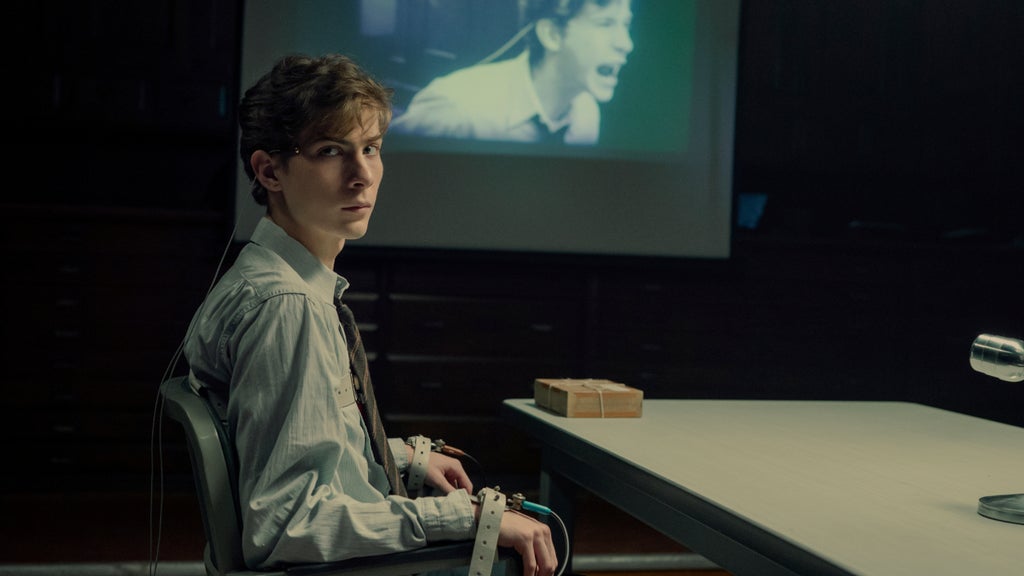
Jacob Tremblay portrays Kaczynski during his Harvard years, when he participates in psychological experiments overseen by Henry Murray, played by Russell Crowe.
Those sequences gradually become increasingly uncomfortable.
Murray subjects the young Kaczynski to hostile sessions designed to challenge his beliefs and force him to defend his ideas under pressure.
Annabelle Wallis, playing Christiana Morgan, begins questioning just how far the research should be allowed to go.
Meanwhile, Kaczynski becomes increasingly isolated as his hostility toward technology and industrial society develops.
The film doesn’t remain in the past, however.
Another strand follows the investigation attempting to identify the person responsible for the bombings.
Shailene Woodley Takes the Story Inside the FBI Hunt
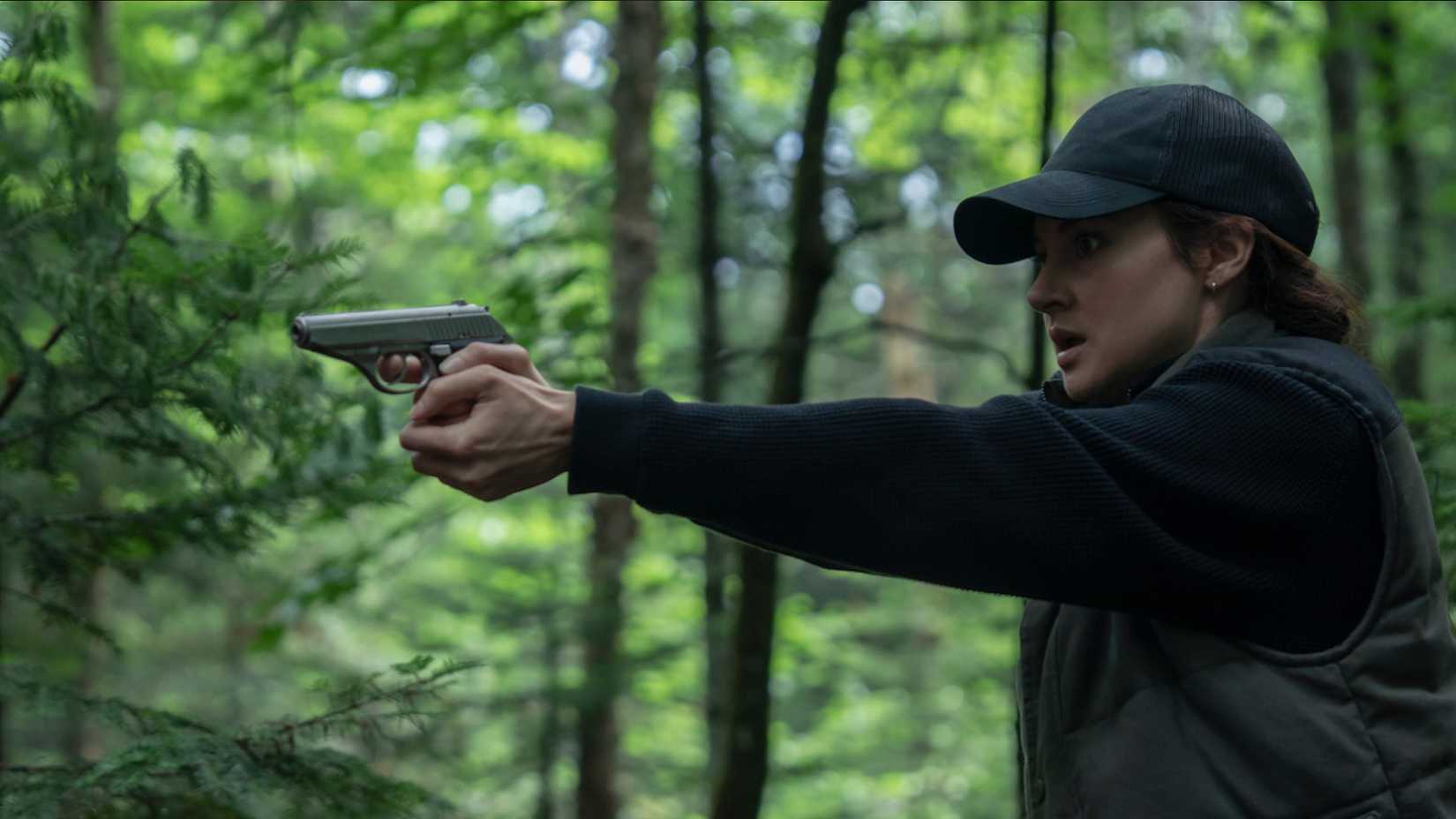
Shailene Woodley plays FBI agent Joanne Miller, whose investigation focuses heavily on Kaczynski’s words, ideas and behavior.
That is where the film should immediately feel familiar to Mindhunter fans.
Miller isn’t simply waiting for a physical clue to reveal the answer.
She is studying language.
Words become evidence.
Beliefs become clues.
The challenge is to understand what the unidentified suspect’s writing might reveal about the person behind it.
Eventually, the investigation receives an important breakthrough from much closer to Kaczynski himself.
After the Unabomber’s manifesto is published, his brother David and David’s wife Linda notice similarities between its language and letters Ted had previously written.
Their suspicions provide investigators with something more concrete and help point the FBI toward Kaczynski’s remote Montana cabin.
The Harvard Story Adds a Different Kind of Unease

Where Mindhunter generally encounters killers after their crimes and attempts to work backward through their psychology, Unabomber approaches its central figure from another direction.
Viewers spend time with Kaczynski long before the FBI knows who he is.
That knowledge creates an unsettling tension during the Harvard sequences.
Murray sees an exceptionally intelligent but difficult young student whom he continues pushing through his experiments.
The audience, however, knows where Kaczynski’s life is ultimately heading.
That makes even seemingly ordinary conversations carry additional weight.
Why It Could Fill the Mindhunter Void
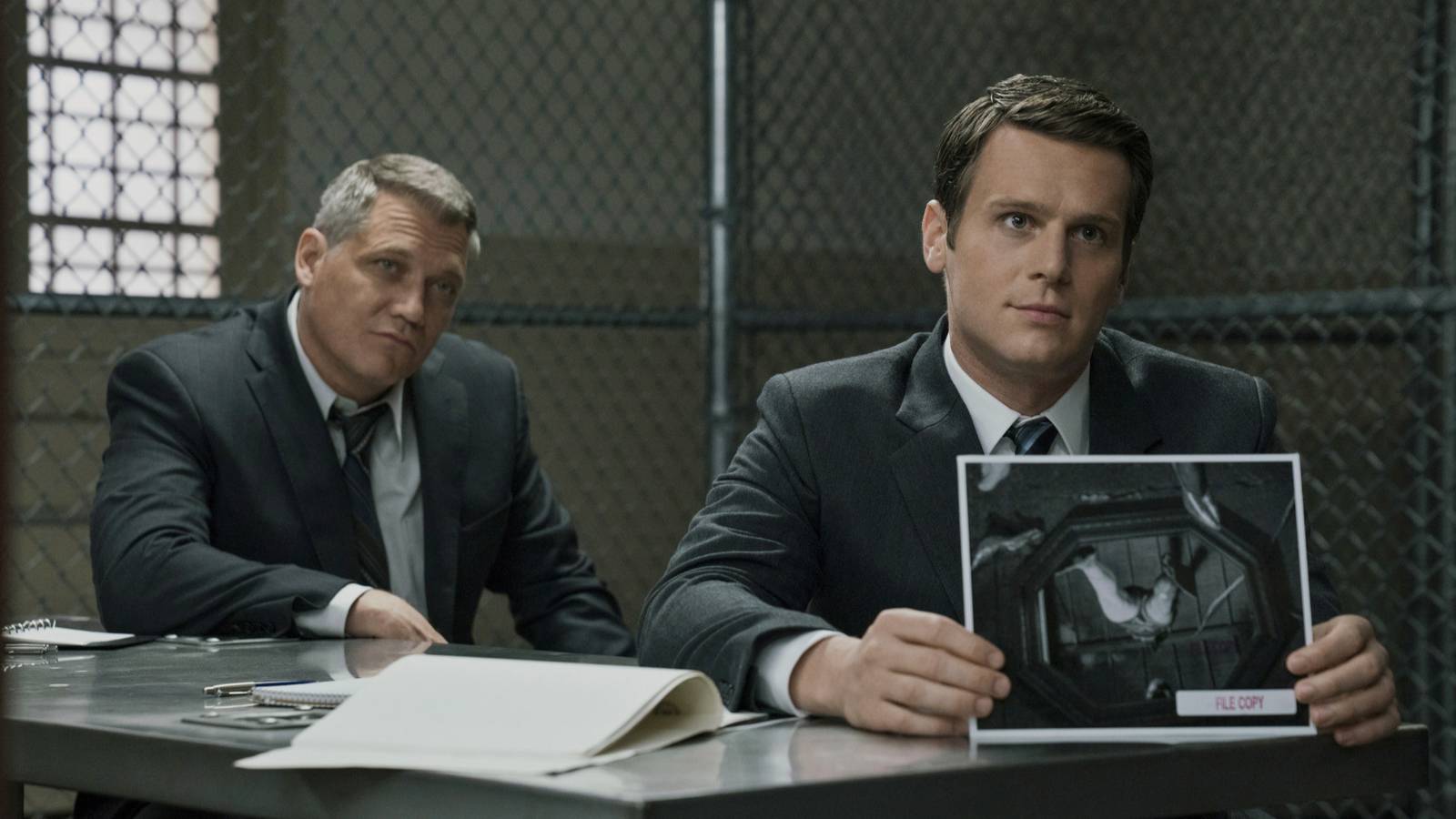
The strongest similarity isn’t simply that both stories involve the FBI or notorious criminals.
It is their fascination with how investigators attempt to understand a person through what they say, write and believe.
Joanne Miller’s investigation depends on examining Kaczynski’s language and looking for patterns that might expose the person behind the words.
The Harvard storyline explores the opposite side of that equation, placing a younger Kaczynski inside confrontations designed to probe his beliefs.
Both strands make conversation central to the tension.
That means viewers hoping for a conventional, action-heavy crime thriller may find something deliberately different.
For Mindhunter fans, however, that restraint could be precisely the attraction.
Sometimes Understanding the Criminal Is More Unsettling Than Catching Him
The ending of the real investigation may already be widely known, but Unabomber isn’t built solely around the mystery of who the FBI will eventually identify.
Its more compelling question is how the person at the center of the case reached that point — and what investigators could learn by studying the trail of language and ideas he left behind.
That allows the film to find tension even when two characters are simply sitting together and talking.
For anyone who still misses the unnerving patience of Mindhunter, Unabomber offers a familiar kind of discomfort: FBI investigators studying words and behavior, psychological confrontations that become increasingly difficult to watch, and the disturbing realization that the quietest person in the room can sometimes be the one you can’t stop thinking about.