One of the Greatest World War II Films Ever Made Is Now Streaming for Free – With Sean Connery, Michael Caine and Anthony Hopkins Leading an Extraordinary Cast
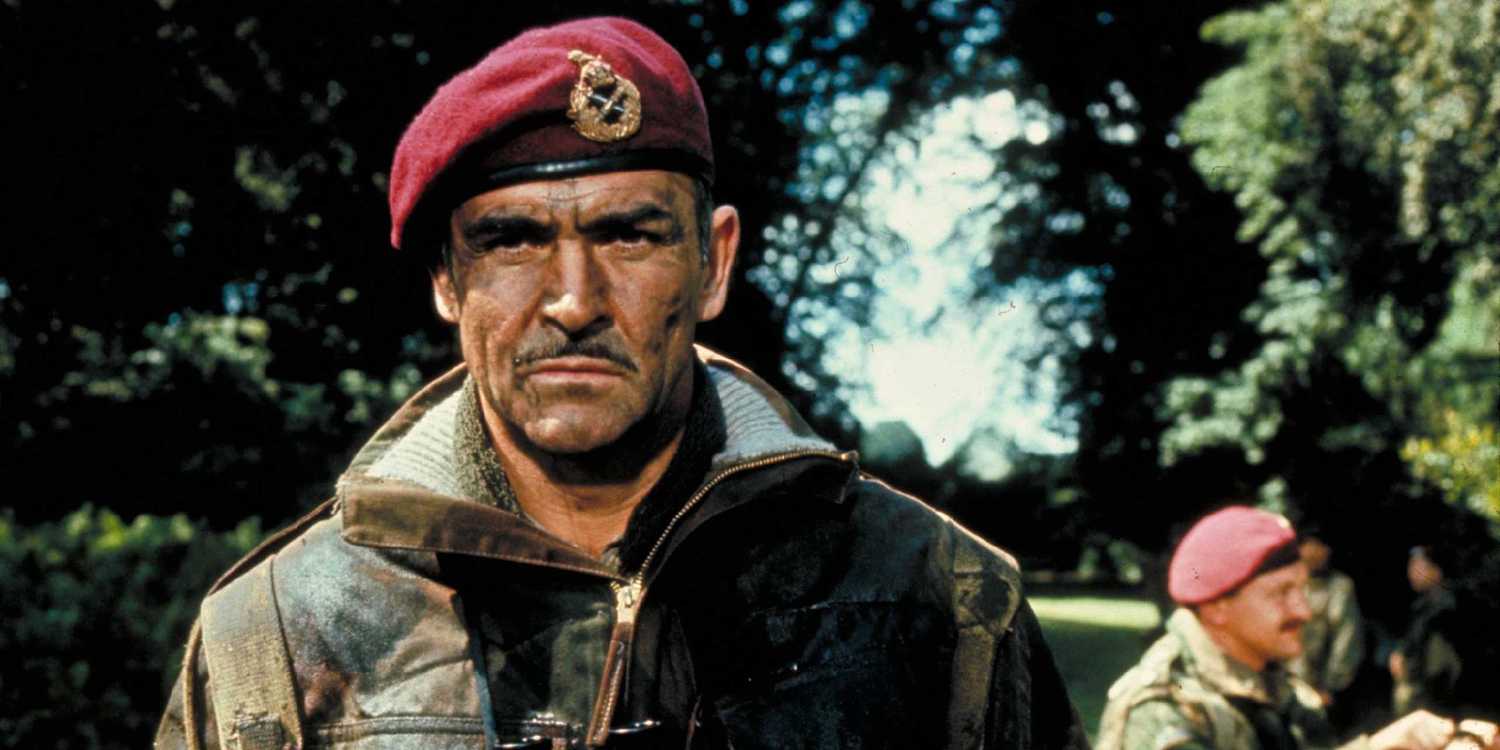
Nearly 50 years after its release, Richard Attenborough’s epic World War II drama A Bridge Too Far remains one of cinema’s most ambitious and realistic portrayals of military conflict.
Released in 1977, the historical war film features an extraordinary ensemble including Sean Connery, Michael Caine, Anthony Hopkins, Robert Redford and Gene Hackman.
Unlike traditional war movies celebrating heroic victories, A Bridge Too Far examines a disastrous Allied operation that exposed the devastating consequences of military miscalculation.
The nearly three-hour classic is now available to stream for free on Tubi and Pluto TV in supported regions.
A Bridge Too Far Recreates One of World War II’s Most Disastrous Operations
Based on Cornelius Ryan’s historical book, the film chronicles Operation Market Garden, the ambitious Allied offensive launched in September 1944.
The plan involved capturing strategically important bridges across the Nazi-occupied Netherlands, potentially creating a route into Germany and accelerating the end of the war.
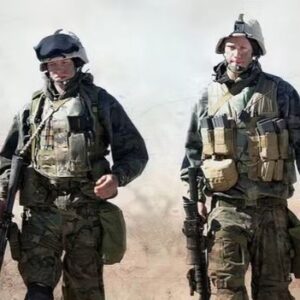
Approximately 35,000 airborne troops were deployed in an enormous operation involving British, American and Polish forces.
However, intelligence failures, underestimated German resistance and logistical difficulties quickly undermined the strategy.
Attenborough follows the unfolding disaster from multiple perspectives, including Allied commanders, frontline soldiers, German forces and Dutch civilians caught in the fighting.
Rather than presenting the campaign as a straightforward battle between heroes and villains, the film examines how decisions made far from the battlefield can have devastating consequences for those carrying them out.
Sean Connery and Michael Caine Lead an Unforgettable Ensemble
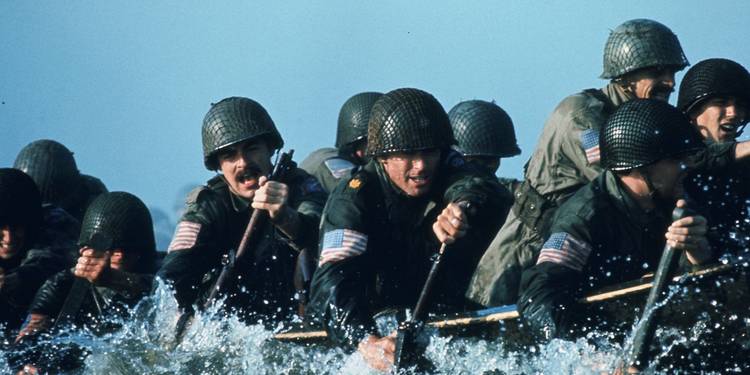
The film’s remarkable cast reflects the enormous scale of its story.
Sean Connery, Michael Caine, Anthony Hopkins, Robert Redford and Gene Hackman portray figures caught in different parts of the operation, each facing increasingly difficult circumstances.
Screenwriter William Goldman avoids relying on a single central hero, instead weaving together numerous experiences to capture the confusion and complexity of the campaign.
The production was filmed extensively on location in the Netherlands, using large numbers of aircraft, parachutists and practical effects to recreate the historic operation.
Attenborough also emphasized linguistic authenticity, allowing German and Dutch characters to speak their respective languages.
The result is a sweeping historical drama that places viewers amid the chaos of an enormous military offensive.
Why A Bridge Too Far Remains a Powerful War Film
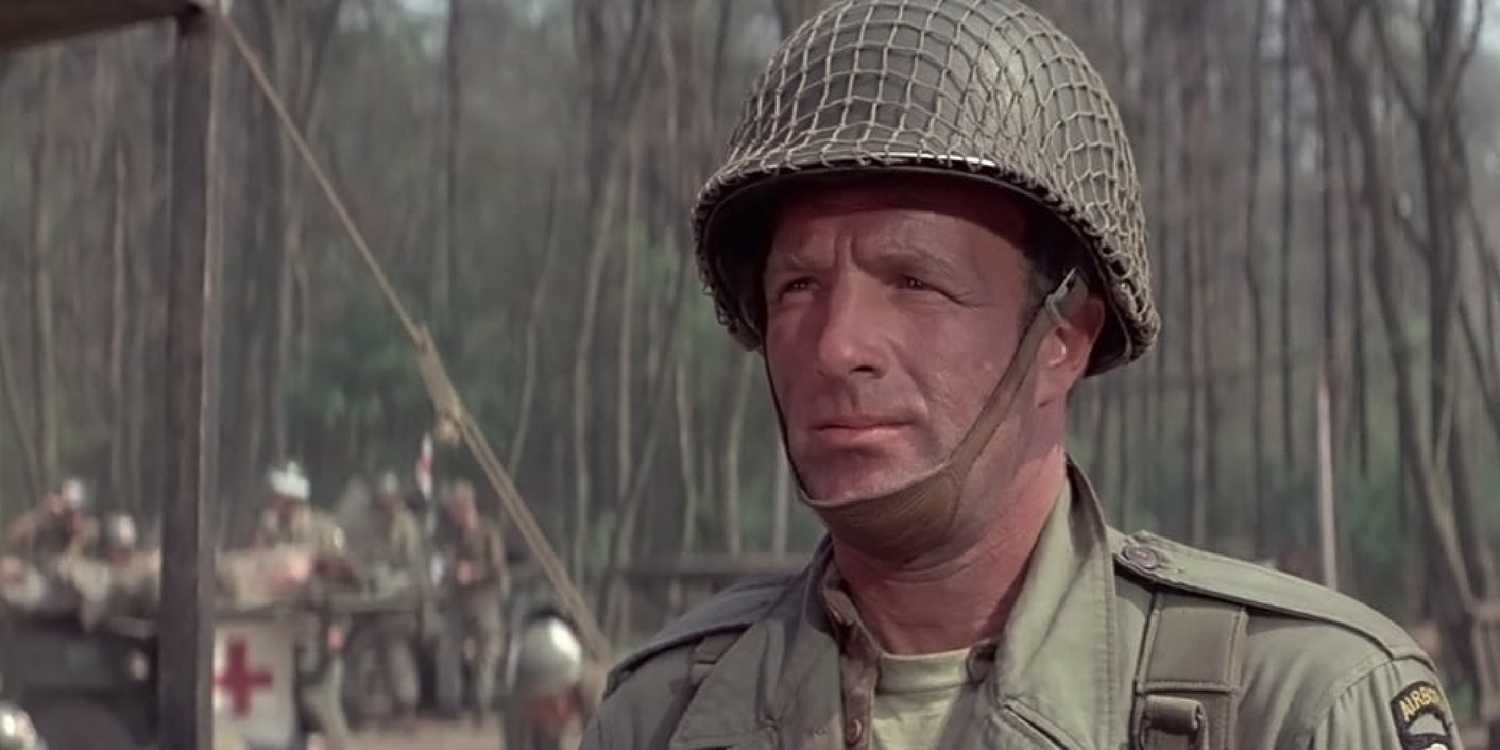
Although A Bridge Too Far is now widely respected for its ambition, its original critical reception was mixed.
Renowned critic Roger Ebert questioned the value of making a film centered on such an overwhelming military failure.
Yet that uncomfortable subject is precisely what distinguishes the movie from more conventional World War II dramas.
Rather than glorifying combat, it portrays the confusion, suffering and human cost of a campaign that did not achieve its central objectives.
Its sprawling narrative and lengthy runtime demand patience, but the detailed battle sequences and historical perspective remain compelling decades later.
For viewers who appreciate war films such as Dunkirk and Saving Private Ryan, Attenborough’s epic offers a different approach to the genre, emphasizing collective sacrifice and the consequences of strategic failure.
Where to Watch A Bridge Too Far for Free
A Bridge Too Far is currently listed as available to stream for free on Tubi and Pluto TV, although availability may vary by country.
With its remarkable cast, large-scale practical filmmaking and uncompromising depiction of Operation Market Garden, the 1977 classic remains essential viewing for anyone interested in World War II history.
It is a reminder that some of the most powerful war stories are not about victory, but about the extraordinary human cost of failure.