Before Taylor Sheridan’s 1883 and 1923, Steven Spielberg Produced a Forgotten 12-Hour Western Epic With Over 250 Speaking Roles and a Star-Studded Cast
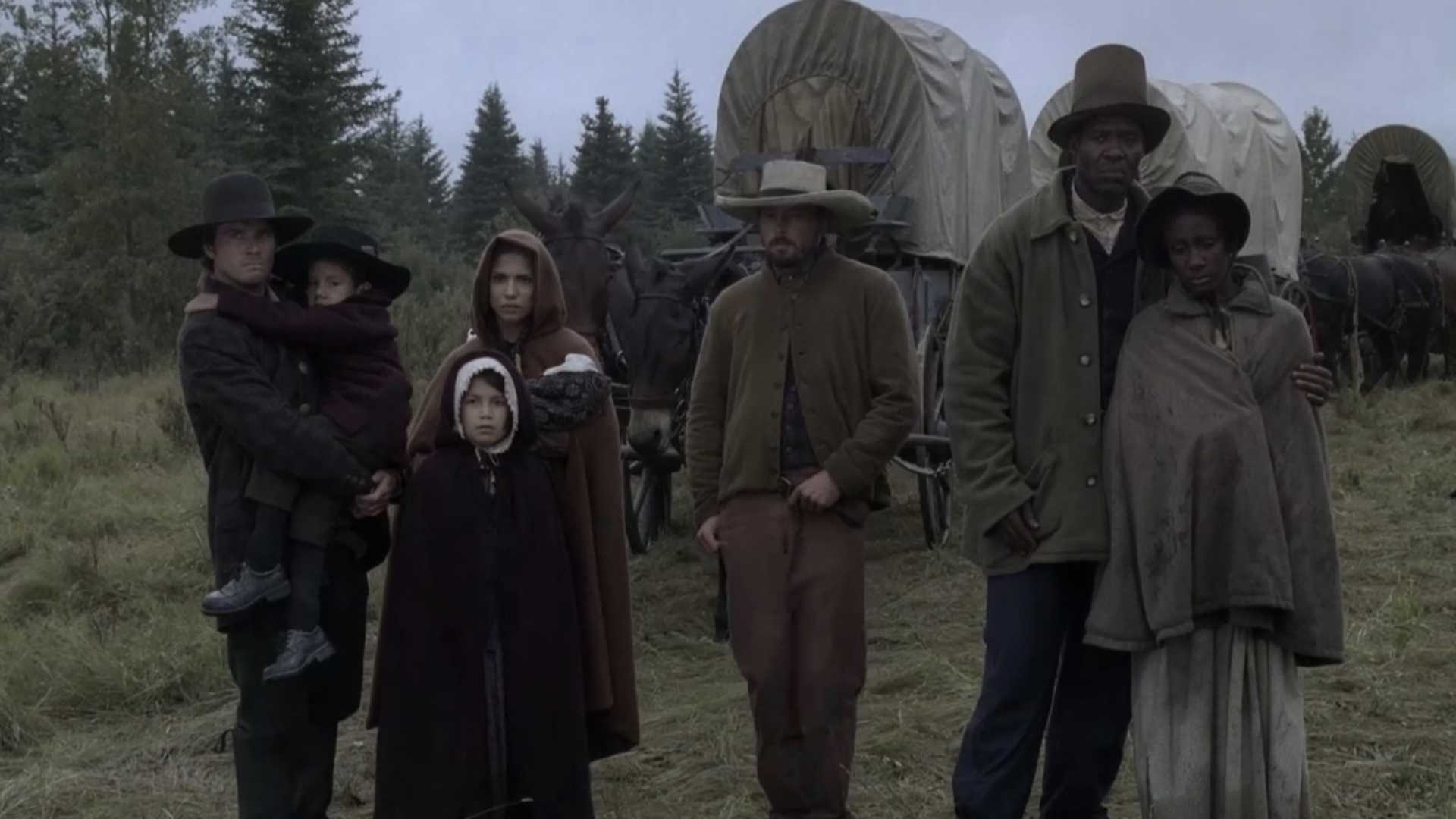
Long before Taylor Sheridan brought sweeping Western dramas back into the spotlight with 1883 and 1923, Steven Spielberg helped create an ambitious television epic that explored the American frontier on an extraordinary scale.
Released in 2005, Into the West was a 12-hour miniseries produced by Spielberg and DreamWorks, featuring more than 250 speaking roles and an impressive ensemble of Hollywood stars.
Spanning 65 years of American history, the production combined dramatic storytelling with major historical events, offering a perspective on the West that remains compelling more than two decades later.
A Western Epic Spanning 65 Years of American History
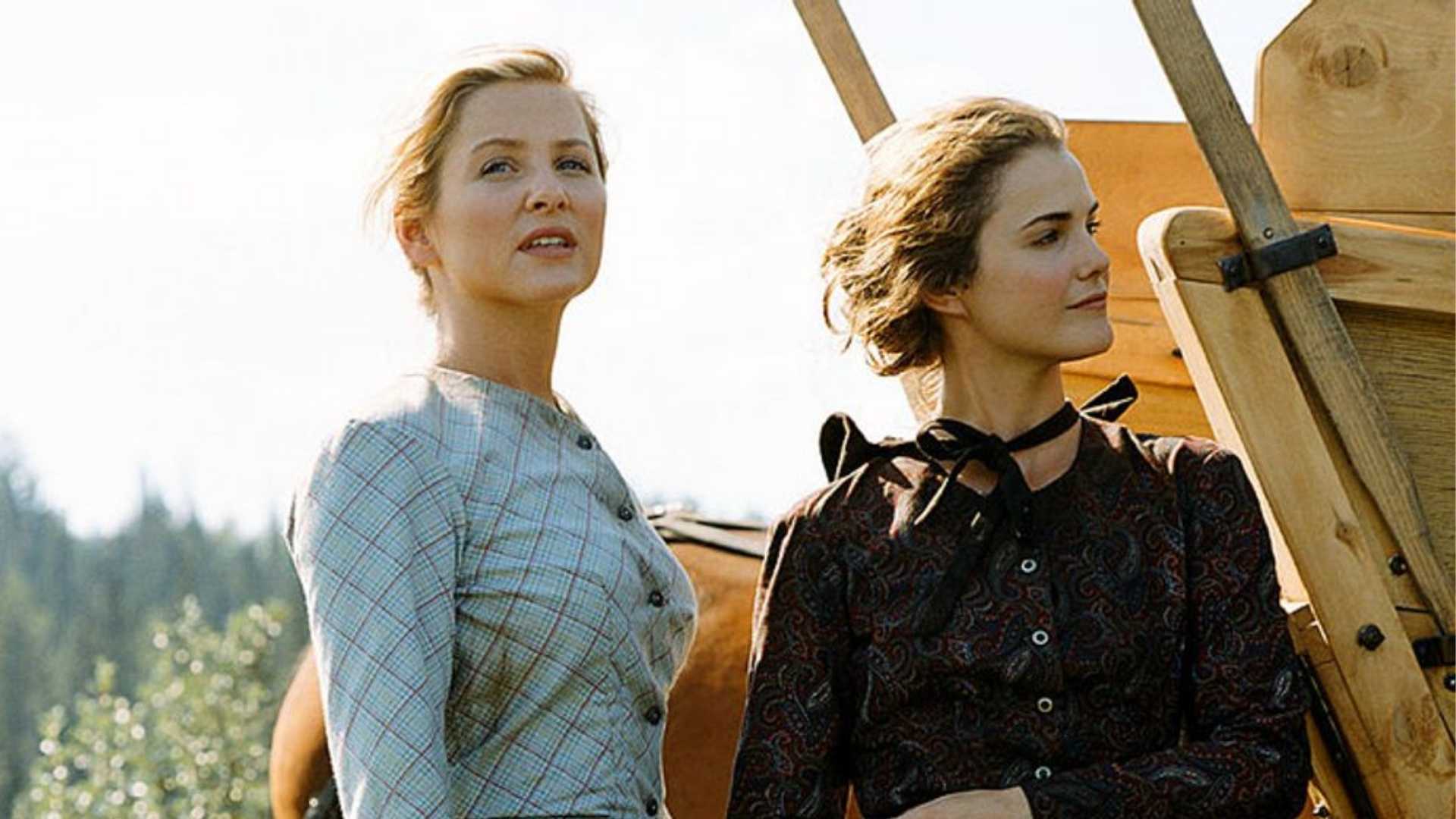
Unlike traditional Westerns centred on a single gunslinger or frontier family, Into the West follows two families whose lives unfold across generations between 1825 and 1890.
One storyline focuses on white settlers moving westward, while the other follows a Lakota family living on the Great Plains.
Through these contrasting perspectives, the series examines the expansion of the American frontier and its consequences for the people already living there.
Major historical events shape the narrative, including the California Gold Rush, the American Civil War and the Wounded Knee Massacre.
Rather than presenting westward expansion as a straightforward adventure, the drama explores the human cost of territorial conflict, displacement and cultural change.
The result is a sweeping historical story that combines personal struggles with some of the most consequential events of 19th-century America.
Spielberg’s Production Set a High Standard for Western Television
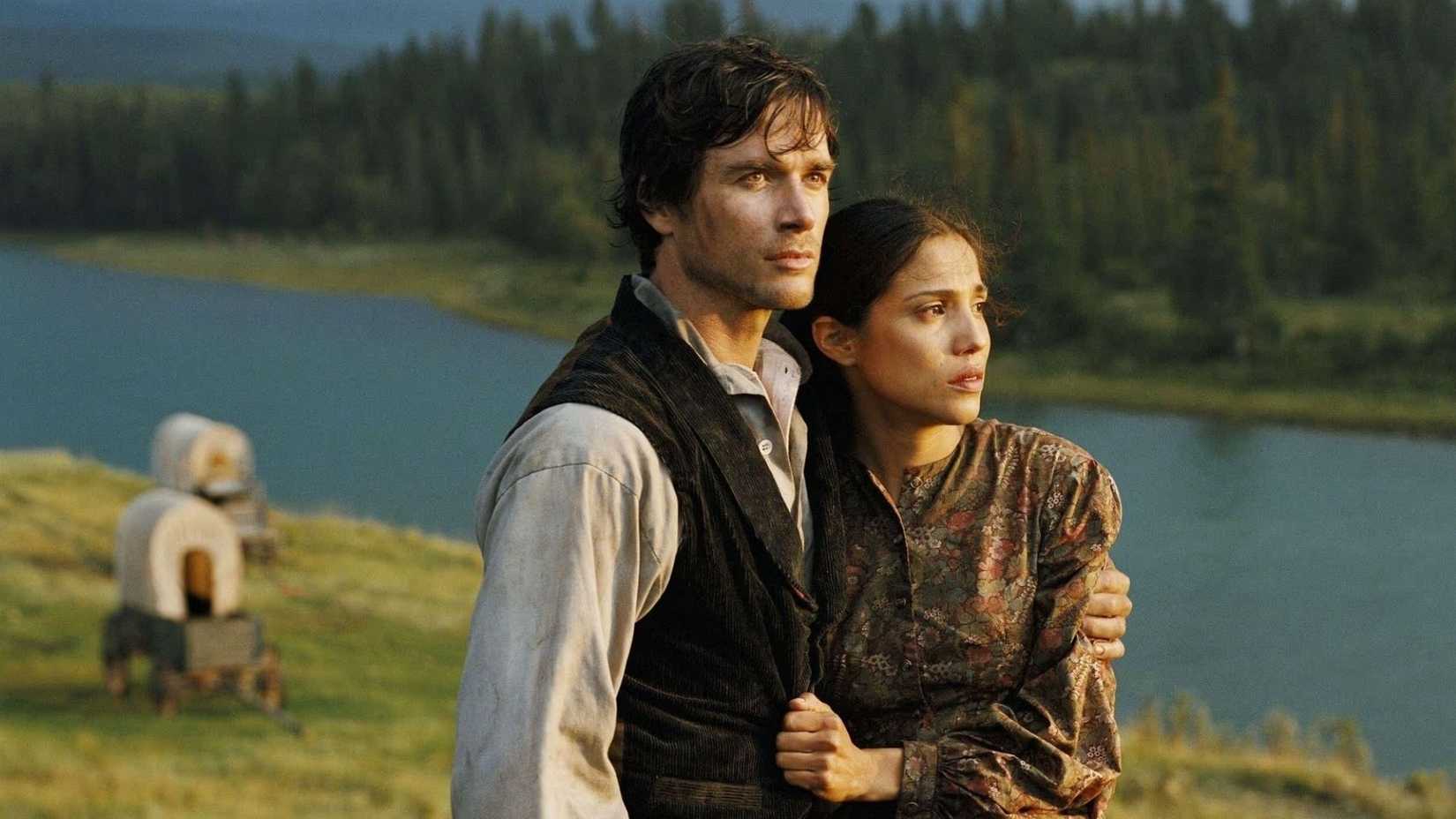
With DreamWorks supporting the production, Into the West benefited from the resources needed to recreate different periods of American history.
Its expansive landscapes, detailed costumes and carefully constructed sets helped establish a convincing frontier setting.
The production also placed considerable emphasis on Indigenous representation, casting Native American and First Nations performers and incorporating Indigenous languages into the storytelling.
Its cinematography captures the scale of the American West, while its historical sequences provide a dramatic backdrop for the families’ changing fortunes.
The ambitious approach anticipated the large-scale Western storytelling that would later become associated with Taylor Sheridan’s television productions.
A Cast Packed With Hollywood Stars
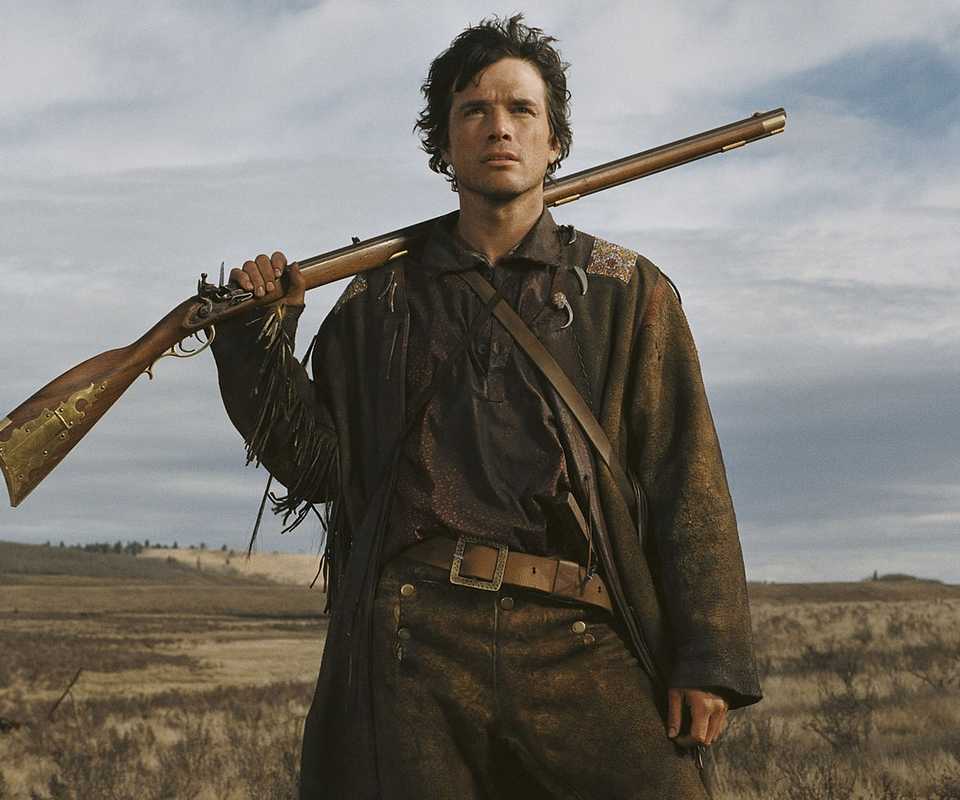
One of Into the West‘s greatest strengths is its enormous ensemble cast.
The production featured major Hollywood names including Josh Brolin, Keri Russell, Tom Berenger, Gary Busey and Sean Astin.
It also brought together prominent Indigenous actors, including Wes Studi, Russell Means, Tatanka Means, Graham Greene, Zach McClarnon and Gil Birmingham.
Matthew Settle and Jessica Capshaw were among the other performers involved in the sprawling production.
With more than 250 speaking parts, the series required an unusually large cast to portray its fictional families and historical figures across multiple generations.
That scale helped distinguish Into the West from more conventional Western television dramas.
Why Into the West Still Deserves Attention
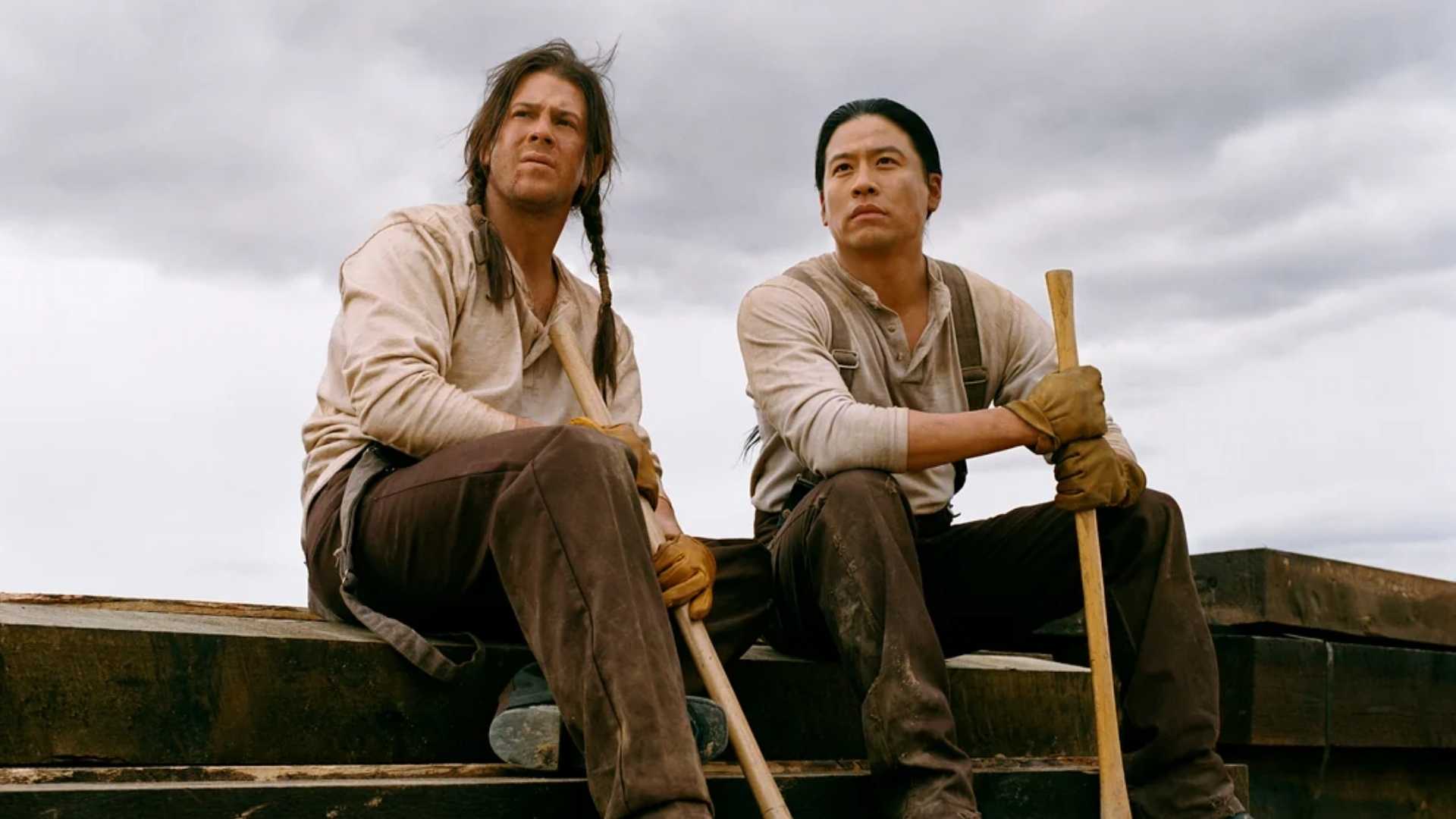
Taylor Sheridan’s 1883 and 1923 have demonstrated the continuing appetite for historical Western dramas built around family struggles, extraordinary landscapes and major social changes.
Yet Into the West explored similar storytelling territory years earlier, combining multiple generations, contrasting cultural perspectives and significant historical events.
Its willingness to confront difficult aspects of American history also gives the series emotional weight beyond its impressive production values.
Although it has not maintained the same level of recognition as Sheridan’s modern Western hits, Spielberg’s ambitious miniseries remains a notable achievement in the genre.
For viewers who enjoyed 1883 and 1923, Into the West offers a sprawling 12-hour historical drama with an exceptional cast, cinematic production values and a story that captures both the promise and the devastating consequences of America’s westward expansion.